What did a Victorian opera superstar have in common with the brow bar down the street? More than you’d think. In the late 1800s, soprano Adelina Patti is credited with popularizing henna as a hair dye across Europe, turning a plant that had been used to color the hair of Egyptian mummies thousands of years earlier into a staple of fashionable vanity tables. Henna never really went out of style; it just migrated. First from scalps to hands and feet as mehndi, and eventually, much more recently, from hair to eyebrows. Today it sits on salon menus right next to a newer invention entirely: chemical eyebrow tint. Both promise darker, fuller-looking brows. Both involve a brush, a timer, and a rinse. And both leave a lot of people staring at a booking page wondering which one to pick.
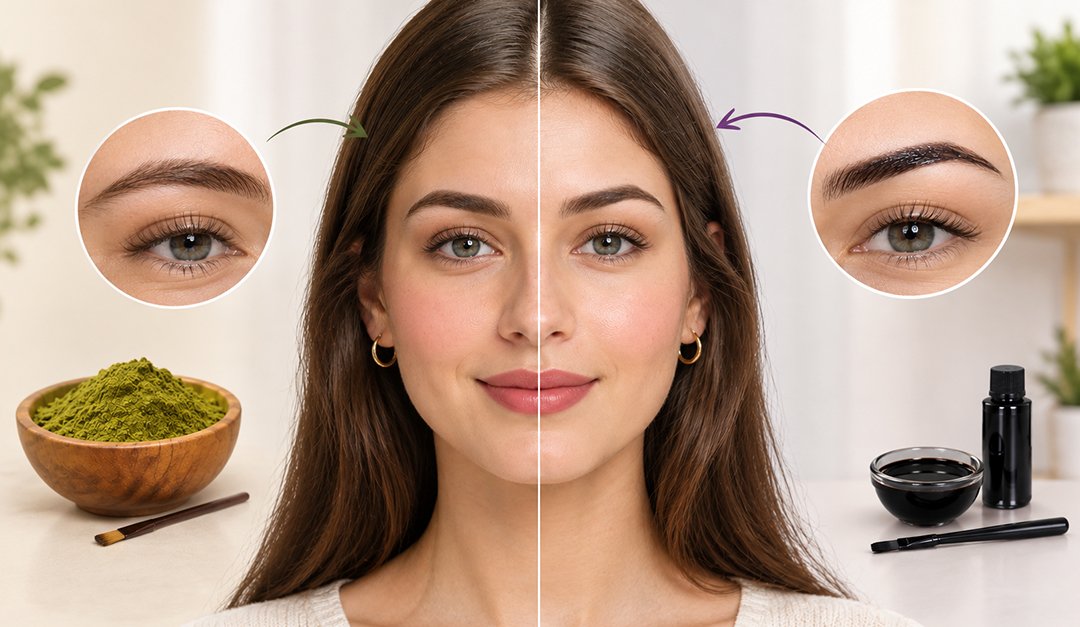
The short version: eyebrow tint is a cosmetic dye that colors only the brow hairs, typically lasting two to six weeks before it fades. Eyebrow henna is a plant-based paste that colors the hairs and stains the skin underneath them, which is what gives henna brows their fuller, more sculpted look. That skin stain is the single biggest reason the two treatments feel so different in the mirror, even though they start the same way. Whether you’re deciding between the two for your own brows, or you’re stocking a salon’s back bar and comparing eyebrow tint suppliers, understanding that one distinction clears up almost every other question people ask about brow tint versus henna.
What Is Eyebrow Tint?
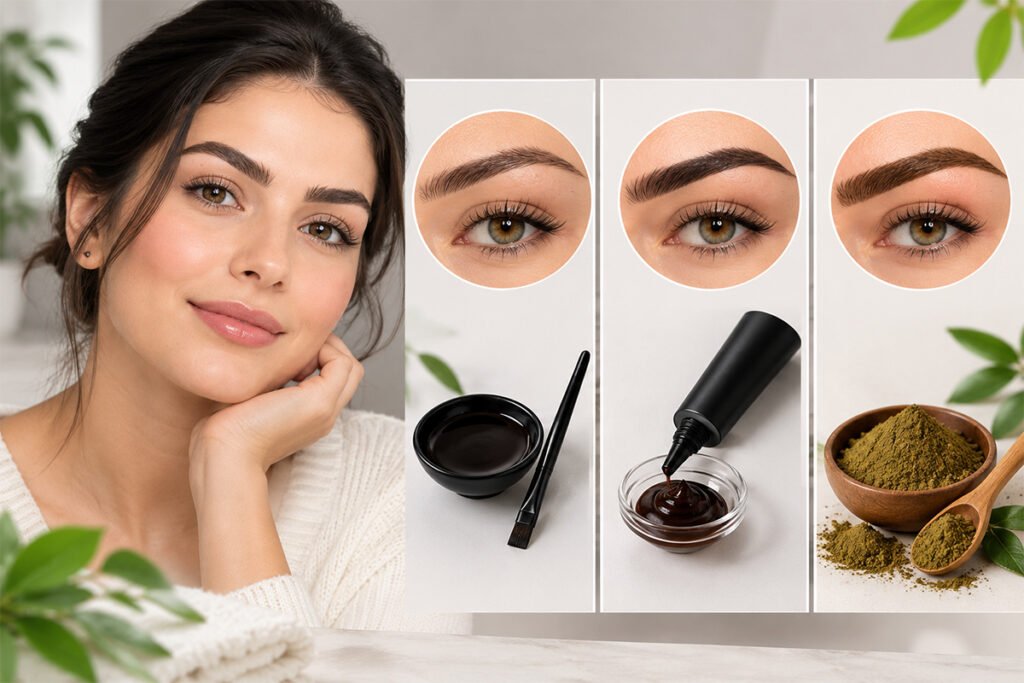
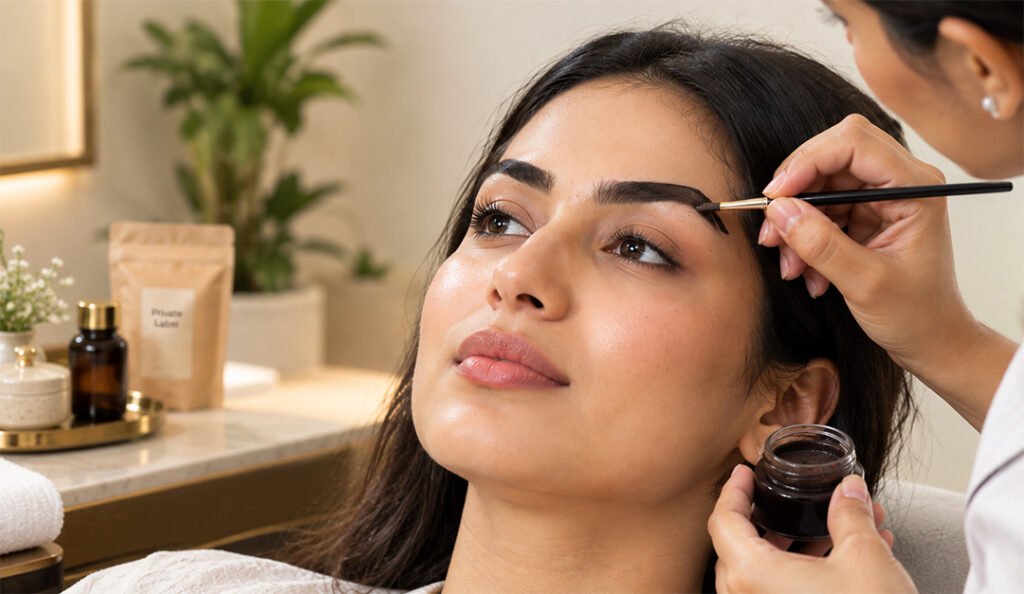
Eyebrow tint means a semi-permanent cosmetic dye, usually an oxidative dye mixed with a developer, that is brushed onto the brow hairs to deepen or alter their color. In simple terms, it works the same way hair color does, just in a much gentler, purpose-built formula for the delicate skin around the eyes.
A technician mixes the eyebrow dye with a developer, applies it with a small brush, lets it process for a set number of minutes, then removes it. The hairs absorb the pigment; any dye that lands on the surrounding skin is mostly washed away during removal, leaving only a faint stain that fades within a day or two. The result is brows that look naturally darker and more defined, without adding the illusion of extra density. Regular tint works well for people who are happy with their brow shape and simply want richer, more even color, especially those with blonde, gray, or very light hairs that are hard to see.
What Is Eyebrow Henna?
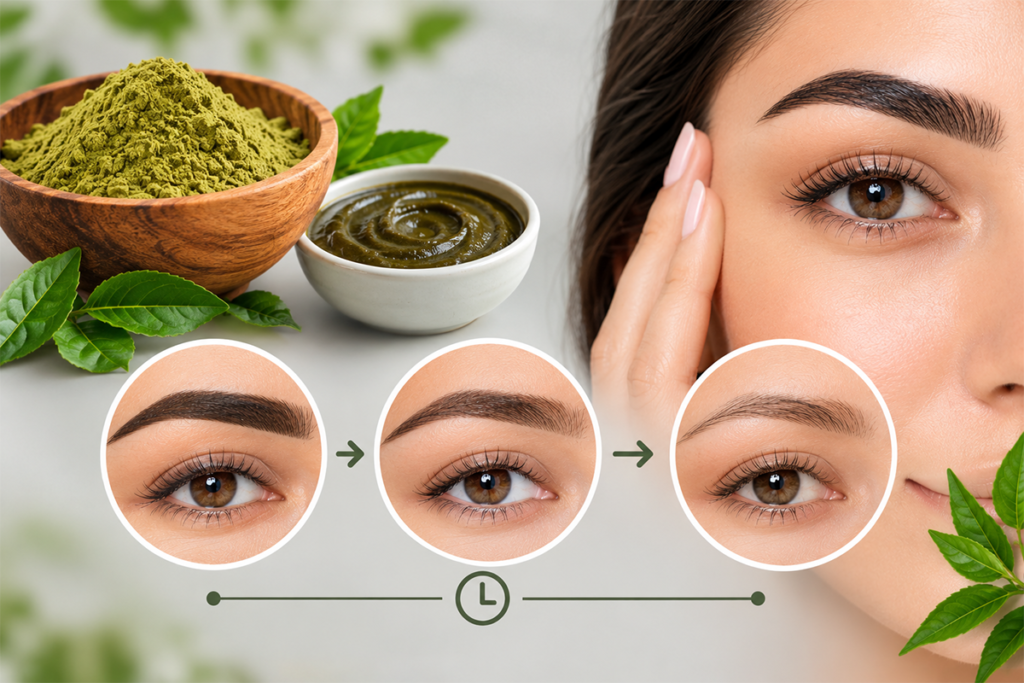
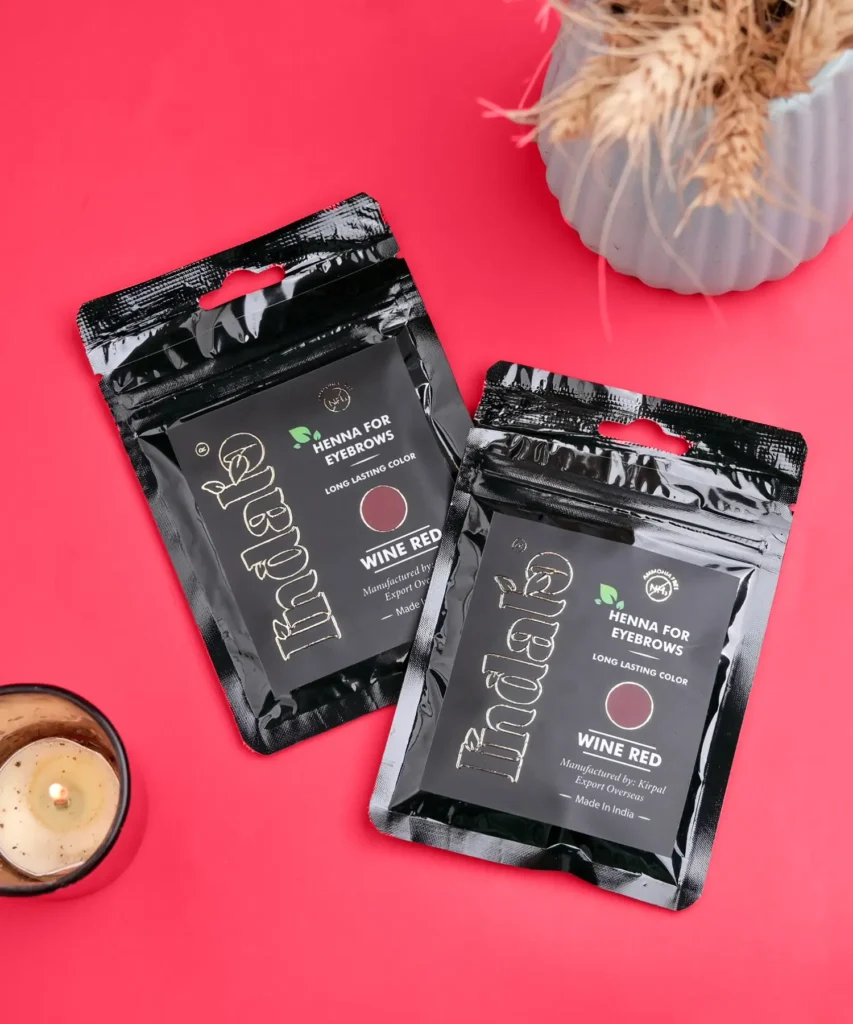
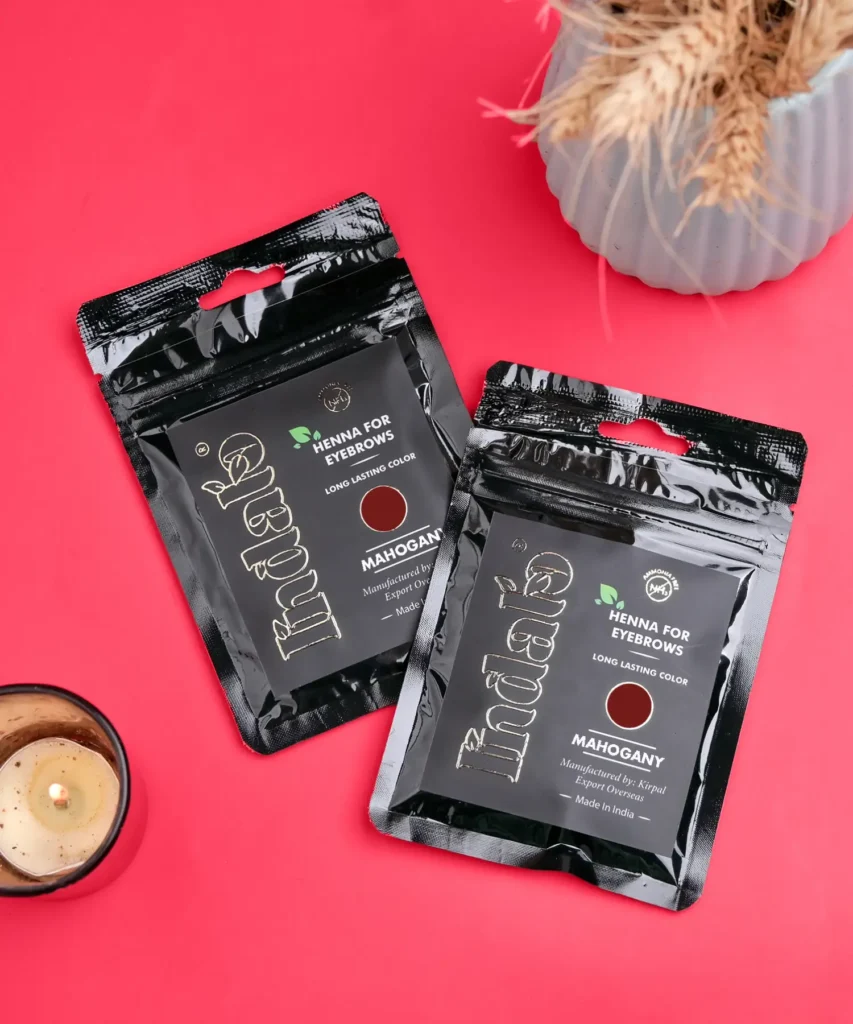
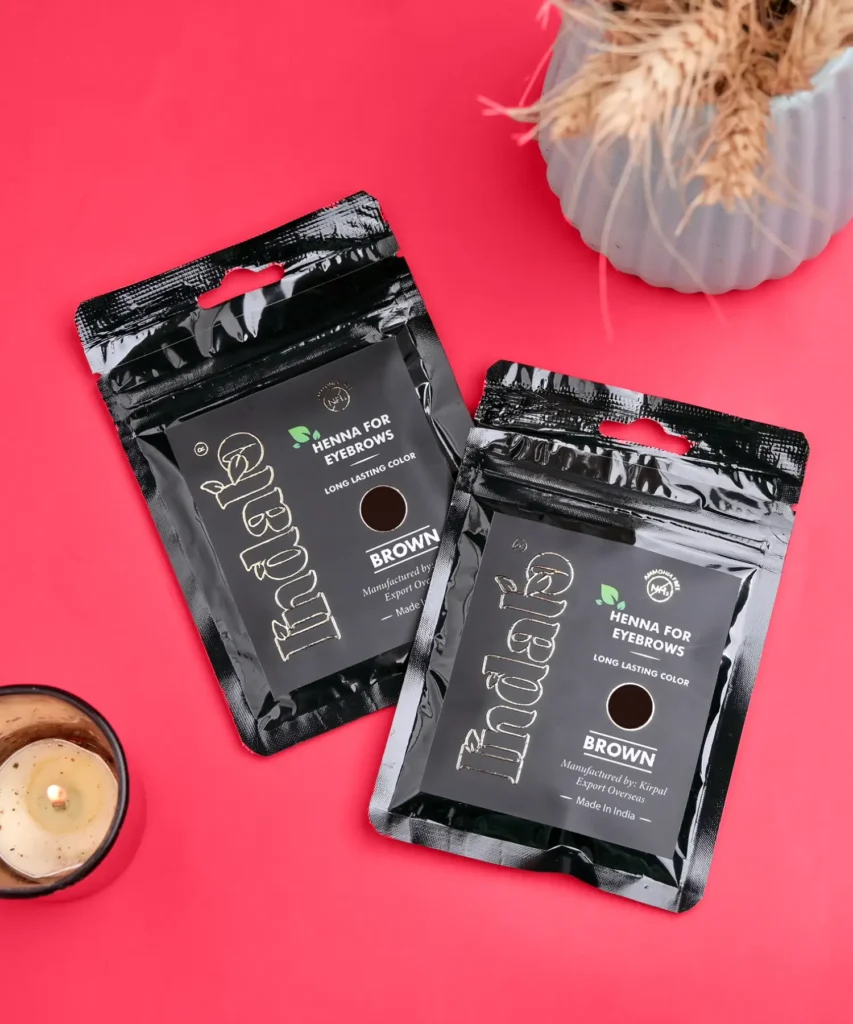
Eyebrow henna means a dye made from the powdered leaves of the henna plant, Lawsonia inermis, mixed into a paste and applied to the brows in the same general way as a tint. The active pigment, a molecule called lawsone, coats the hair shaft and also binds to proteins in the top layer of skin, which is the part that makes henna brows behave so differently from a standard tint.
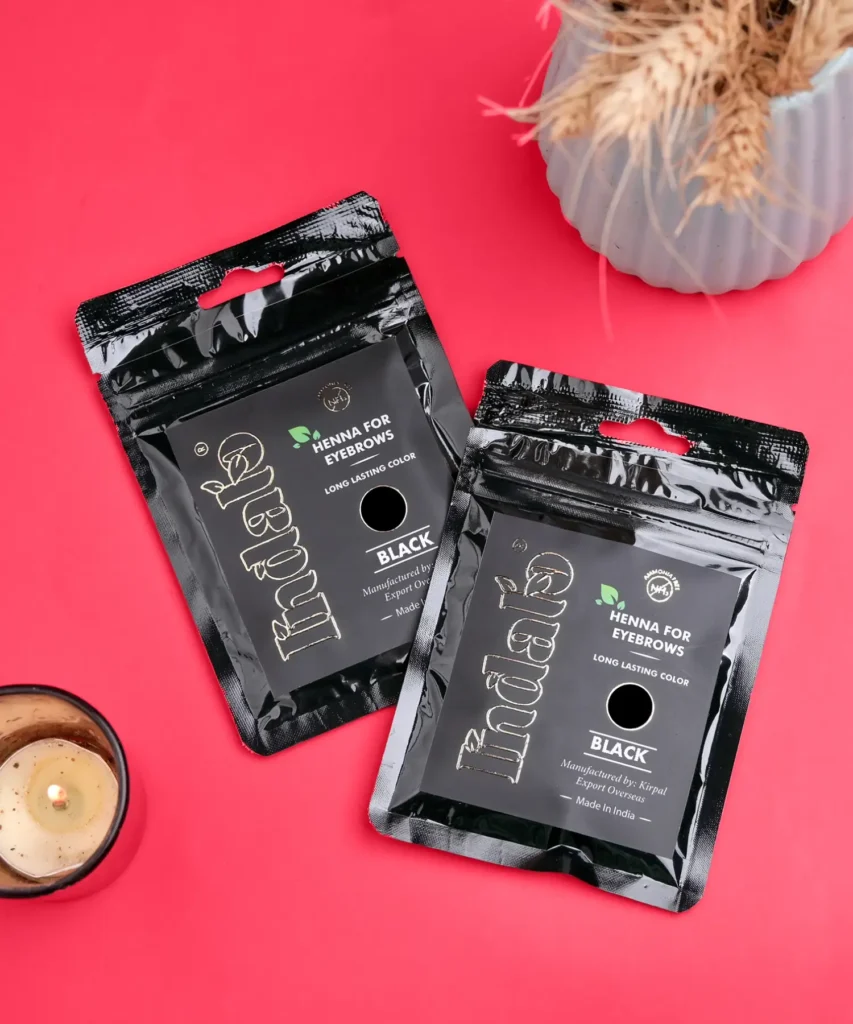
Because henna stains both the hair and the skin beneath it, it creates a soft shadow effect underneath the brow hairs. That shadow is what fills in sparse patches and gives the illusion of a fuller, more structured brow, even in spots where there isn’t much hair at all. Henna is often marketed as the more natural option, since genuine henna doesn’t contain ammonia or lead, though “natural” doesn’t automatically mean risk-free, more on that shortly. One important warning: steer clear of anything labeled “black henna.” True henna only ever produces shades of red-brown to deep brown; a product promising jet-black, instant results is almost always adulterated with extra chemicals rather than being pure henna.
How Are Henna Brows and Eyebrow Tint Actually Different?
Laid side by side, the practical differences come down to a handful of factors that matter for different reasons depending on what you’re trying to achieve.
| Factor | Eyebrow Tint | Eyebrow Henna |
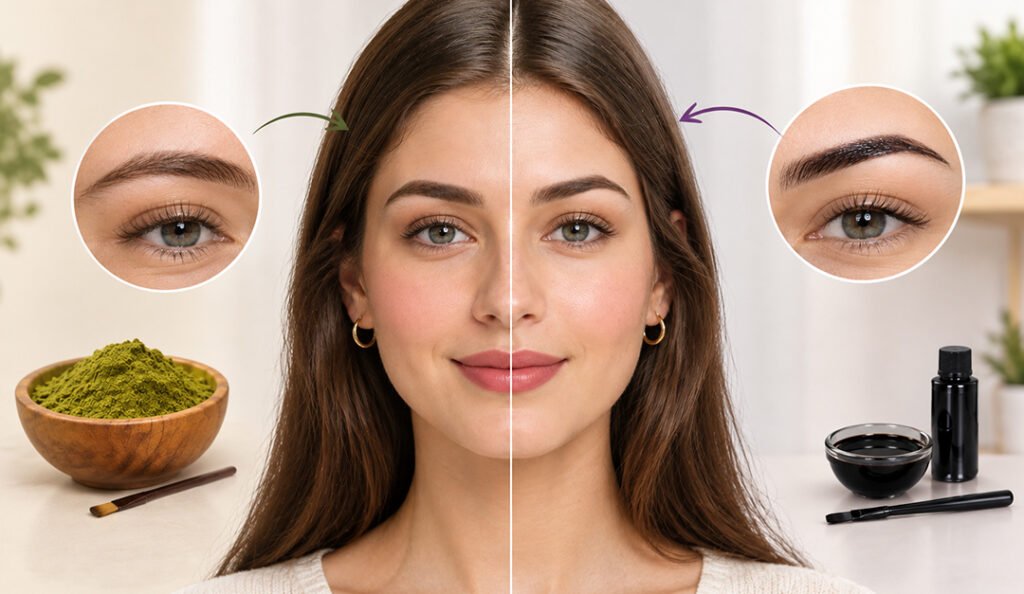
| What it colors | Brow hairs only | Brow hairs and the skin beneath them |
| Look created | Natural, enhanced hair color | Fuller, more sculpted, more defined shape |
| Skin stain duration | Fades in about 1–2 days | Can last roughly 1–2 weeks |
| Hair color duration | Around 2–4 weeks | Around 4–6 weeks |
| Base formula | Oxidative cosmetic dye + developer | Powder from the henna plant, mixed into a paste |
| Best suited for | Clients happy with their shape who want deeper color | Sparse, patchy, or very light brows needing more density |
| Patch test required | Yes, every time | Yes, every time |
A standard tint stains the skin for only a day or two before that part washes off completely, while a henna stain can visibly linger for one to two weeks even as the hair color itself holds up for just as long, sometimes longer. That longer, more dramatic skin shadow is the entire appeal of henna brows for people with gappy or very fine hair, and it’s also the reason henna isn’t automatically “better.” Some people want their brows to look like brows, not like a soft powder fill, and for them, a regular brow tint is the more natural-looking choice.
Which One Is Right for You?
Interestingly, the brow trends shaping 2026 lean hard into realism. Brow artists this year are talking less about bold, blocked-in color and more about translucency, dimension, and brows that look “undetectably natural,” which is exactly the kind of detail that makes choosing the right treatment matter more than it used to.
Eyebrow tint is probably the better fit if:
-
- You already like your brow shape and just want the hairs darker or richer in tone
-
- You want a soft, barely-there enhancement rather than a dramatic change
-
- You have fine, patchy hairs that benefit from color but you don’t want a heavier, filled-in look
-
- You want precise color matching across a wide range of eyebrow colors, since cosmetic tints mix easily into custom shades
Henna brows are probably the better fit if:
-
- You have sparse, gappy, or very light brows and want the illusion of fuller density
-
- You want results that last noticeably longer, including that skin-stain effect
-
- You’re after a more sculpted, defined arch rather than a subtle tweak
-
- You like the idea of a plant-derived dye, while still understanding it needs the same safety precautions as any other cosmetic treatment
Can You Combine Eyebrow Henna and Brow Lamination?
Yes, and it’s become a common pairing on salon menus. The usual order of operations is lamination first, then tint or henna: the lifting and setting solution reshapes the hairs into a fuller, brushed-up pattern, and the color is applied once that new shape is in place, so the pigment coats the hairs exactly where you want them to sit. Many brow studios now offer this as a single bundled service.
That said, both treatments individually can leave the skin a little more reactive than usual, and stacking two chemical processes back to back raises the stakes if something goes wrong. Because of that, some brow artists prefer to space a first-time henna treatment a day or two apart from lamination, particularly for clients with sensitive skin, while more experienced clients often have both done in the same sitting without issue. If you’re booking a combination treatment, it’s worth asking your technician directly how they sequence it and whether they patch test both products, not just one.
Safety First: Patch Tests, Pregnancy, and Sensitive Skin
Here’s a detail most articles on this topic skip entirely: in the United States, the FDA has not approved any color additive, synthetic or natural, specifically for dyeing eyebrows or eyelashes. That includes conventional tint and henna alike. This is a long-standing position tied to the risk of eye injury if dye migrates into the eye, and it’s part of why regulations and salon practices vary so much from state to state and country to country. It doesn’t mean professional tinting is unsafe when done correctly, but it’s a useful piece of context when you see salons describing the service as fully regulated or risk-free.
The allergen to actually watch for is para-phenylenediamine, or PPD, a common ingredient in darker shades of hair and brow dye. PPD is also what turns up, often undisclosed, in so-called “black henna,” which is why that product deserves real caution rather than casual trust just because the word “henna” is on the label. A genuine patch test, applied at least 24 to 48 hours before your appointment, is the only reliable way to catch a PPD sensitivity before it becomes a problem on your actual brows.
FAQ
Q: What is the difference between henna brows and a regular brow tint?
A: Regular eyebrow tint colors only the hairs and fades from the skin within a day or two. Eyebrow henna colors the hairs and stains the skin underneath them, which is what creates its fuller, more defined look and generally longer-lasting results.
Q: Can you combine eyebrow henna and brow lamination at the same time?
A: Yes, this is a common combination service, usually done with lamination first and color applied second so the pigment sets into the newly lifted shape. Some artists still prefer to space the two out by a day or so for first-time or sensitive-skin clients, so it’s worth asking your technician how they sequence it.
Q: Are brow tints and henna safe to use during pregnancy or breastfeeding?
A: Many professional brands and salons list pregnancy and breastfeeding as a standard precaution for both eyebrow dye and henna, largely because hormonal changes can heighten skin sensitivity and because these products haven’t been specifically studied in pregnancy. If you’re pregnant or breastfeeding and considering either treatment, it’s best to check with your doctor and your brow technician before booking.
Q: How do I prevent my eyebrow henna from turning red or orange?
A: An orange or red tone usually means the lawsone pigment hasn’t fully developed, often from rushing the processing time, using old or improperly mixed henna, or not cleansing the brow area beforehand to remove oils. Letting the paste process for the recommended time, applying fresh layers as it dries, and choosing a technician who mixes a small amount of darker henna into the blend for cooler, deeper tones all help avoid an overly warm result.
Q: Is a patch test really necessary every time?
A: Yes. Reactions to tint and henna, especially to PPD, can develop even after years of trouble-free use, and pregnancy, illness, or a new product batch can all change how your skin responds. A 24- to 48-hour patch test before each appointment is standard professional practice for both treatments.
Where Should You Source Your Tint and Henna From?
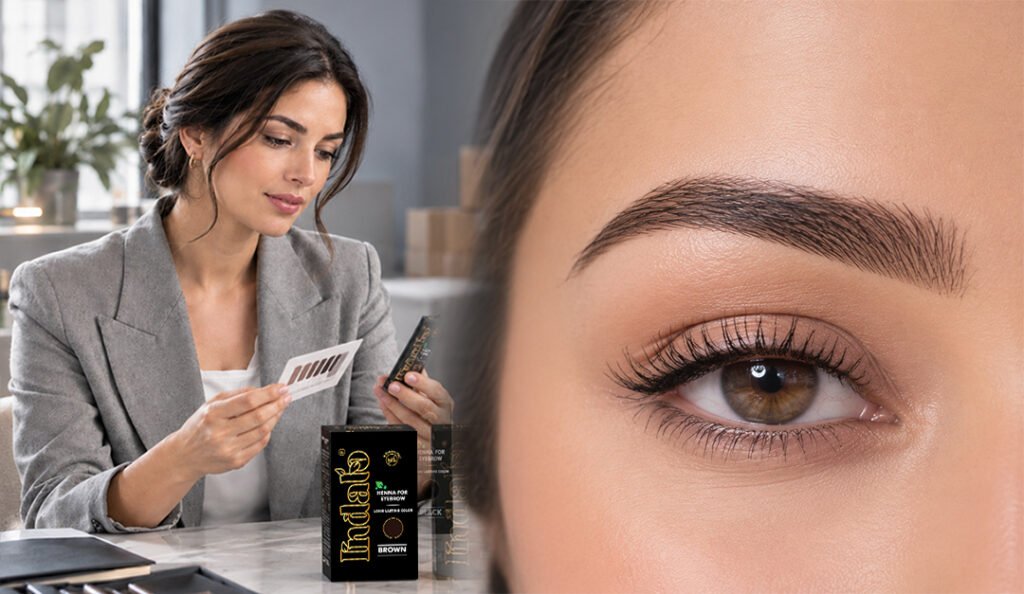
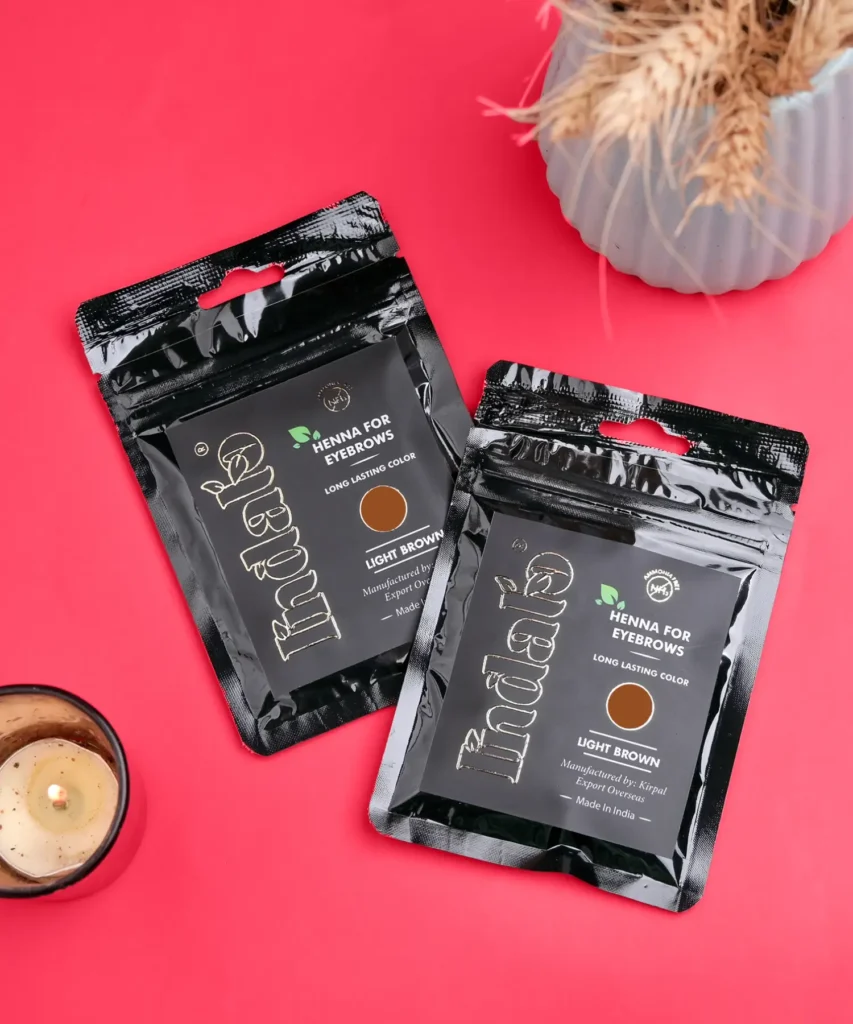
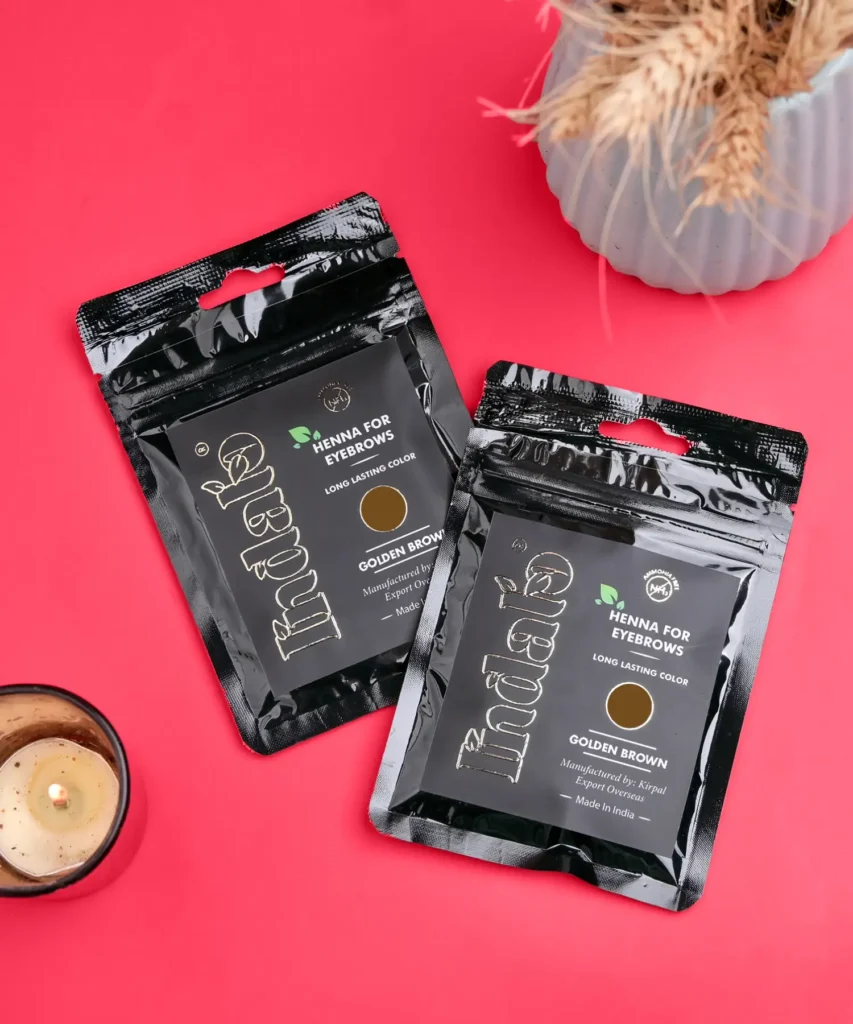
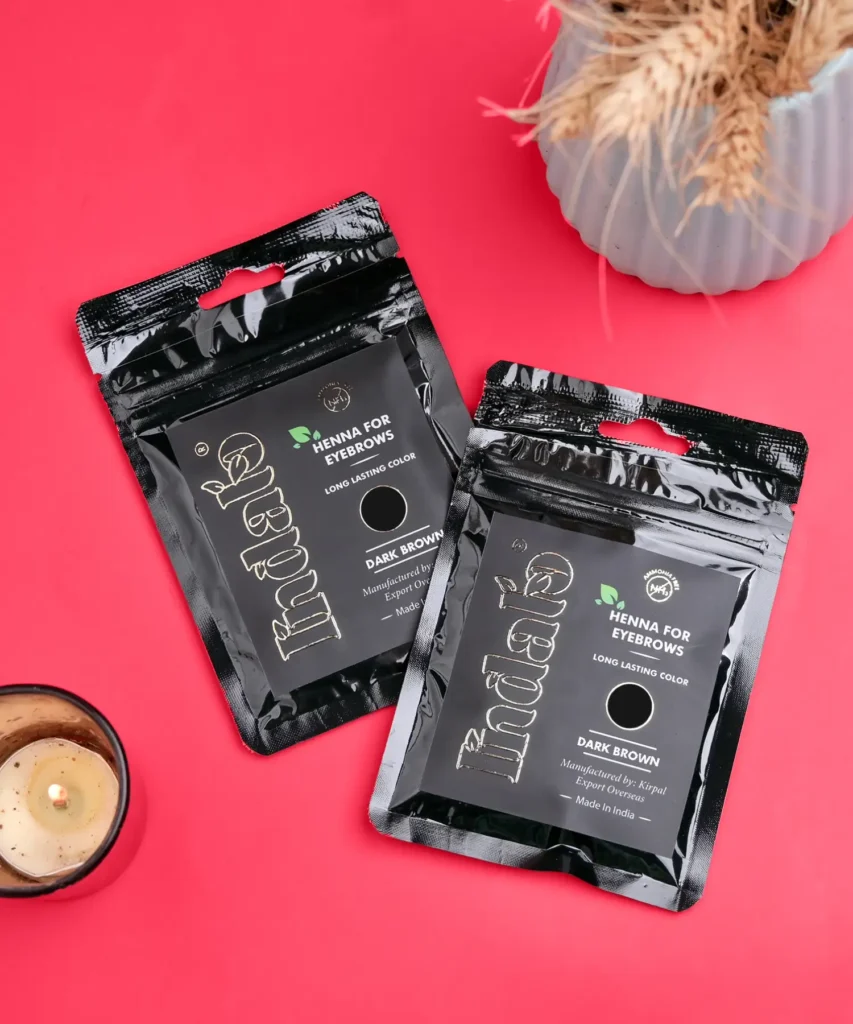
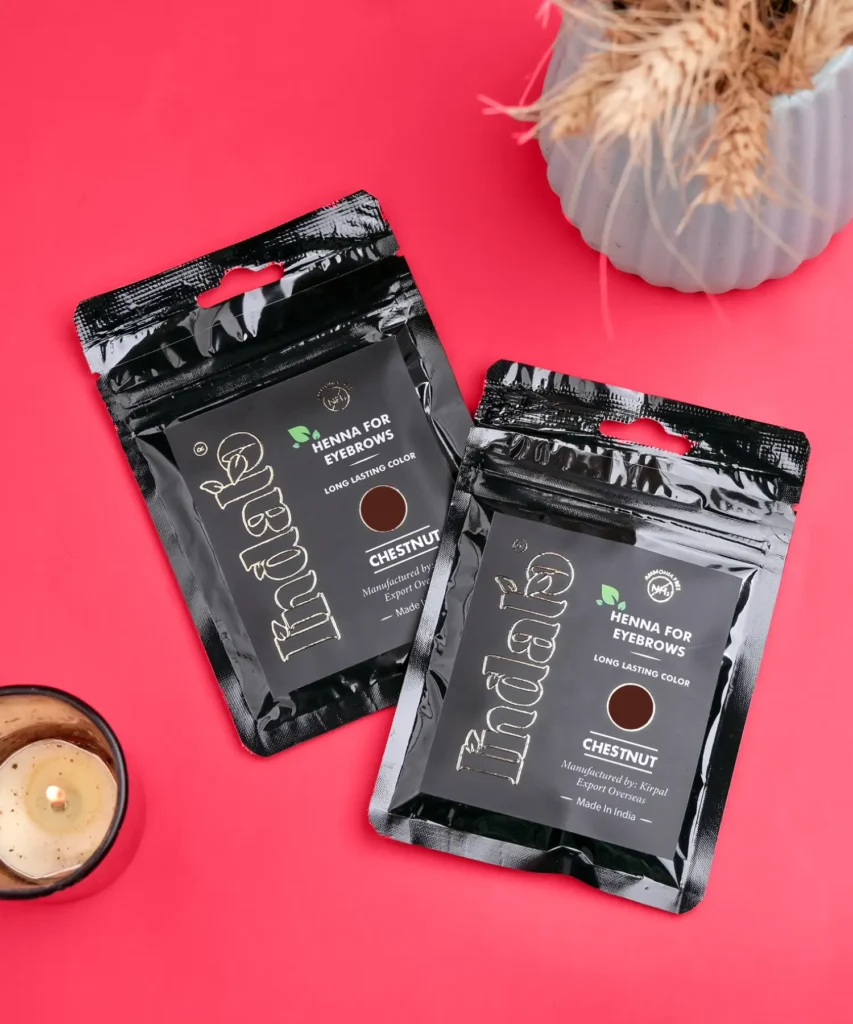
If you’re a brow professional rather than a one-time client, the comparison doesn’t stop at the treatment itself. Consistent, safe results depend on buying from eyebrow tint suppliers who are transparent about ingredients, developer ratios, and processing times, rather than unlabeled or bulk-repackaged products with no clear origin. Checking for clear PPD disclosure, recommended patch-test guidance, and detailed mixing instructions is just as important as picking the right treatment for a client’s brows. For a look at the range of professional tint and henna options available, you can browse eyebrow tint and henna supplies.
The Bottom Line
The real difference between henna brows and a regular brow tint comes down to one thing: henna stains the skin beneath the hairs, and standard tint doesn’t. That single distinction drives everything else, from how long each one lasts to how dramatic the final look is to who tends to prefer one over the other. Neither is universally “better.” A regular eyebrow tint suits people who like their shape and want subtle, natural depth, while henna suits sparse or very light brows that need the appearance of extra fullness. Whichever you choose, a proper patch test and a technician who can walk you through their process matter just as much as the product itself.