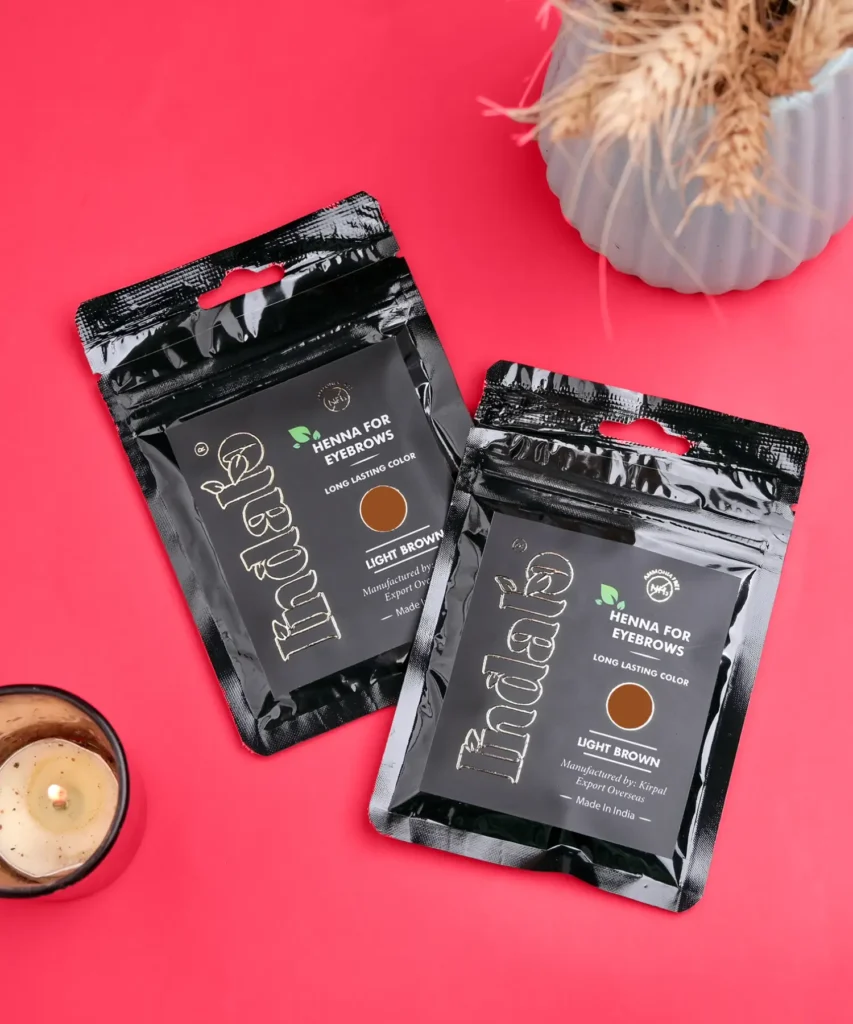
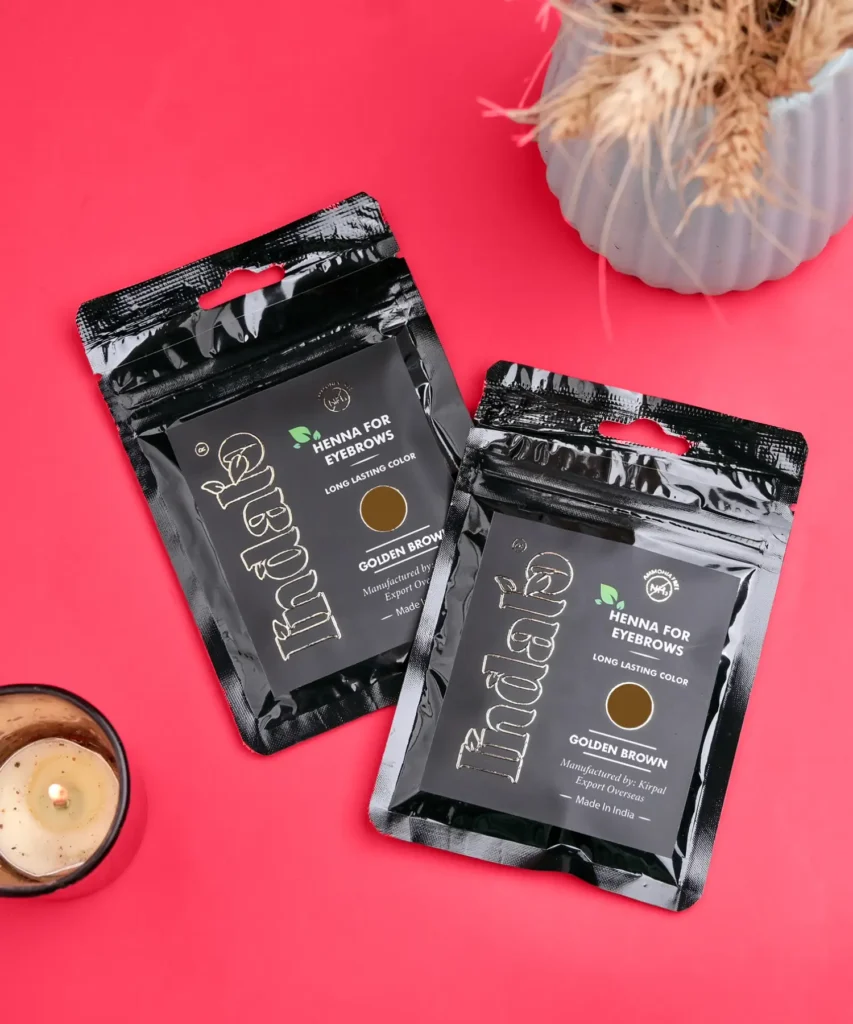
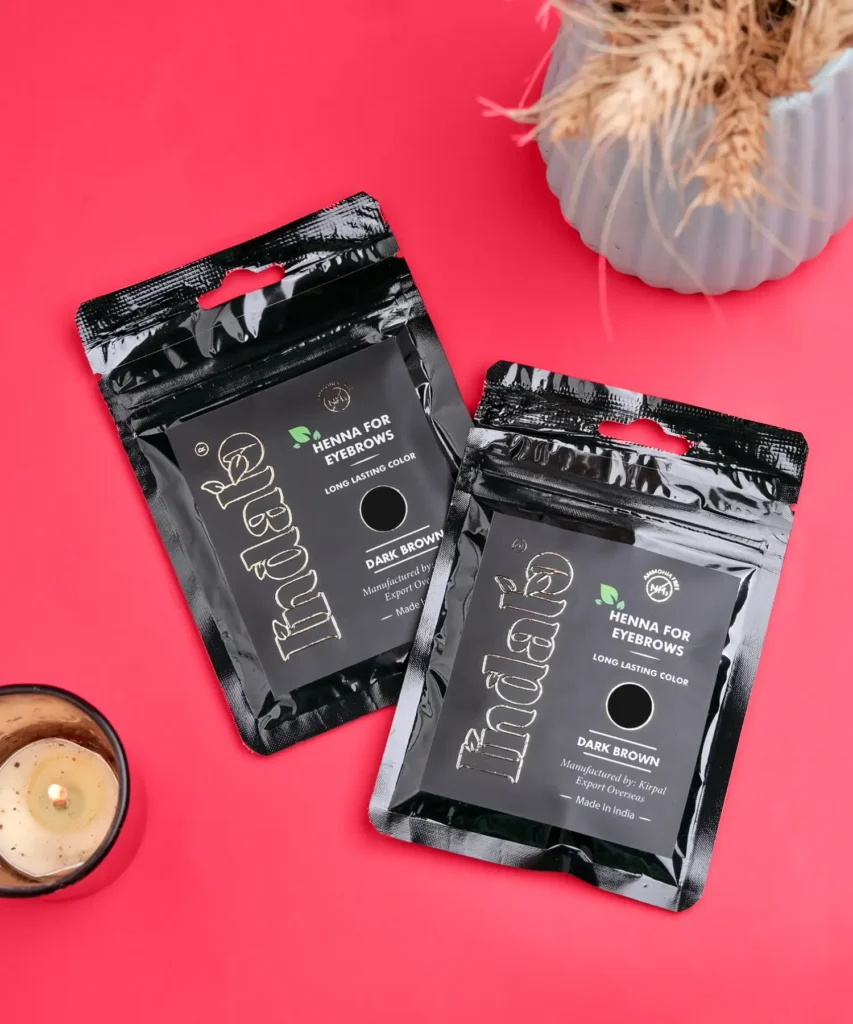
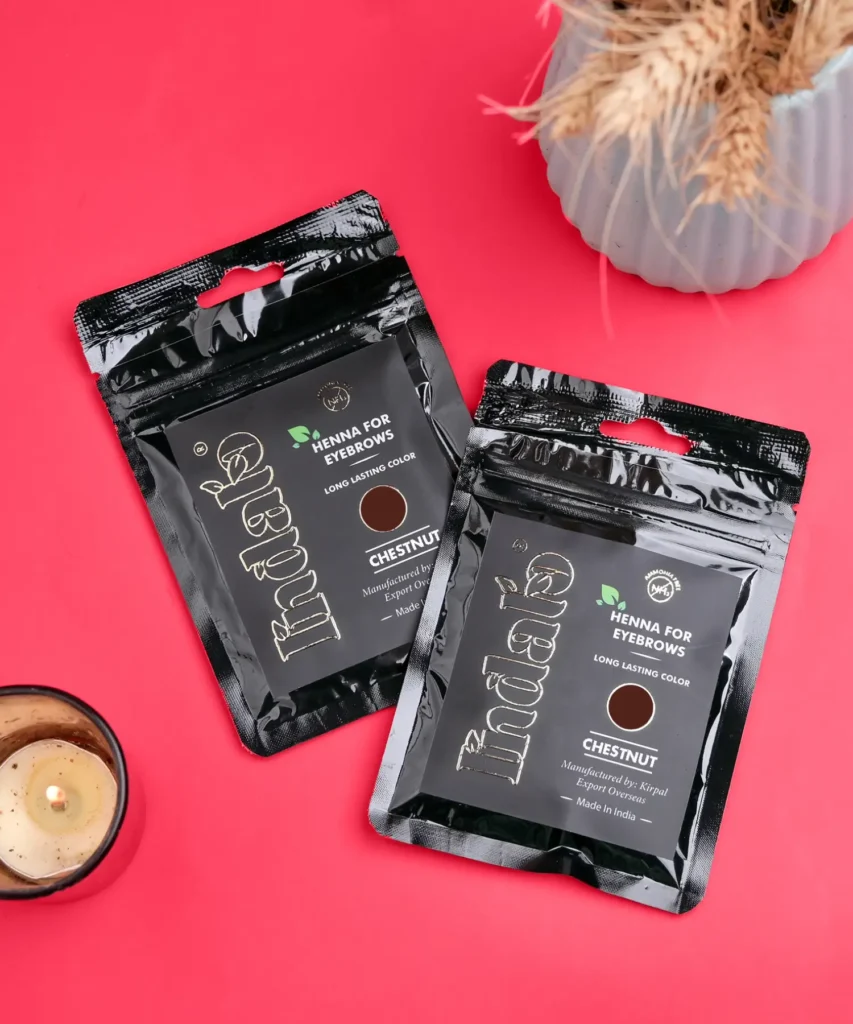
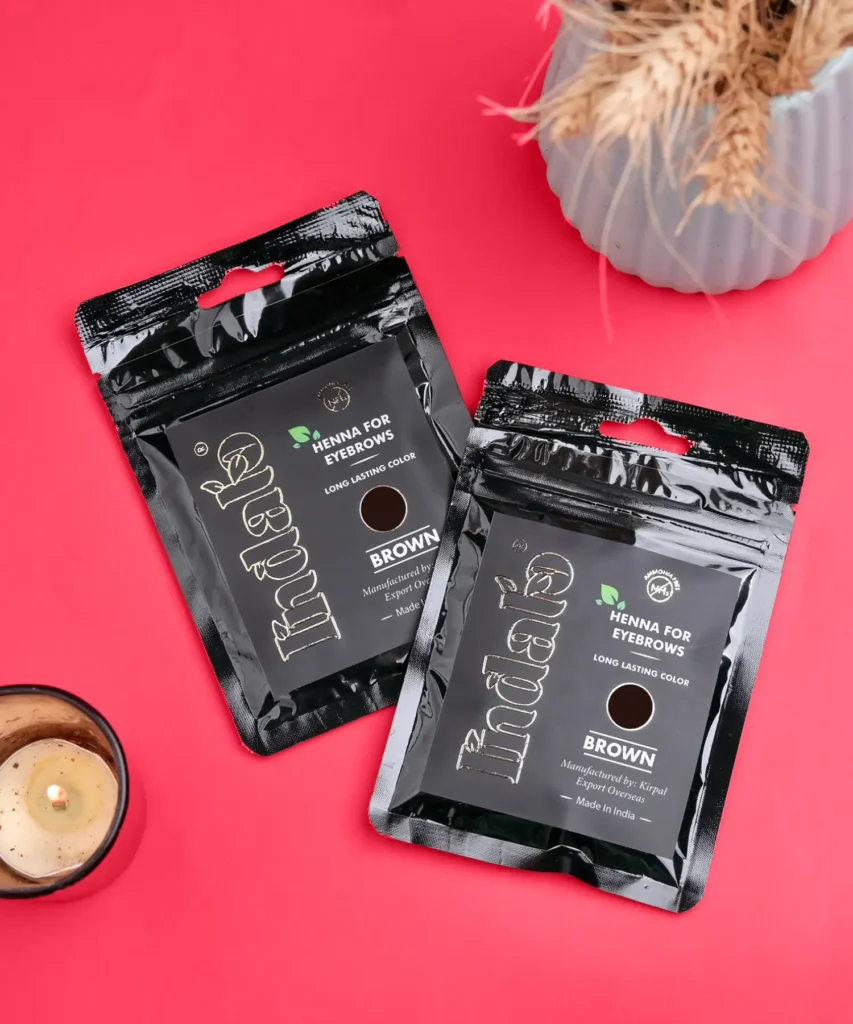
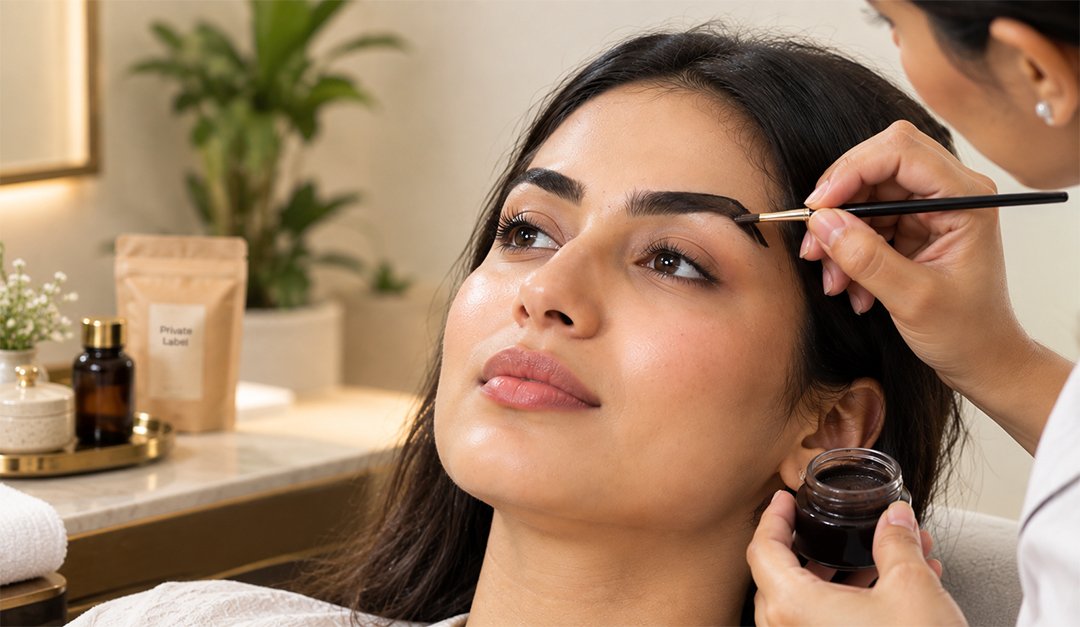
Eyebrow color has quietly become one of the most competitive corners of the clean beauty market, and yet most new brands entering the space are still asking the same three questions: who makes this stuff, is it actually natural, and can I put my own label on it. If you’re building a beauty line and eyeing henna-based brow tints as your entry point, you’re not early and you’re not late — you’re right on time, but only if you source correctly.
This guide walks through what goes into a private label eyebrow color line built on henna, why buyers keep gravitating toward Indian manufacturers for this product, and where new brands tend to trip up before their first shipment leaves the warehouse.
Why Henna Brow Tint Is Having a Moment
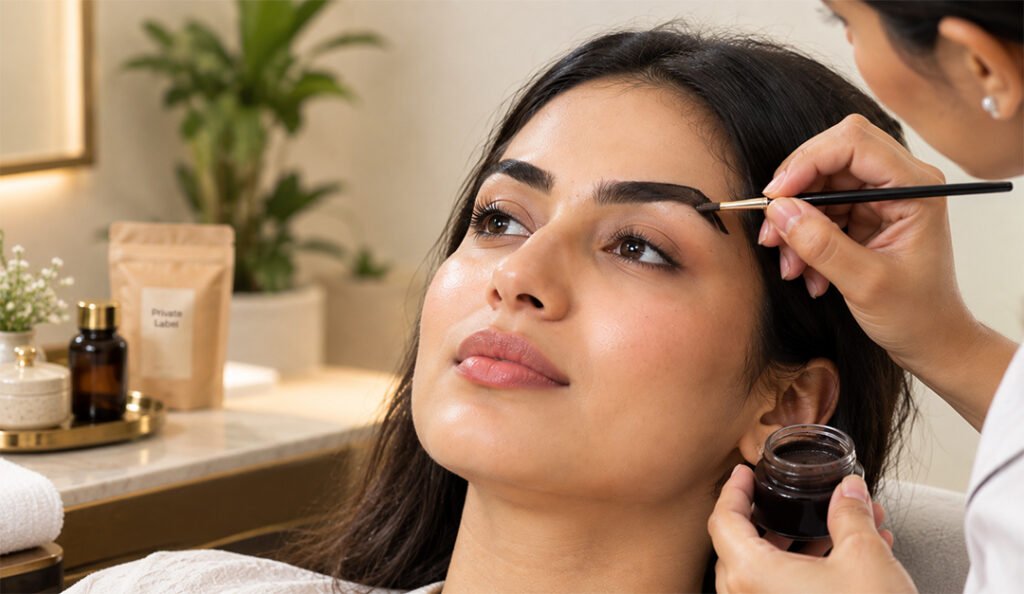
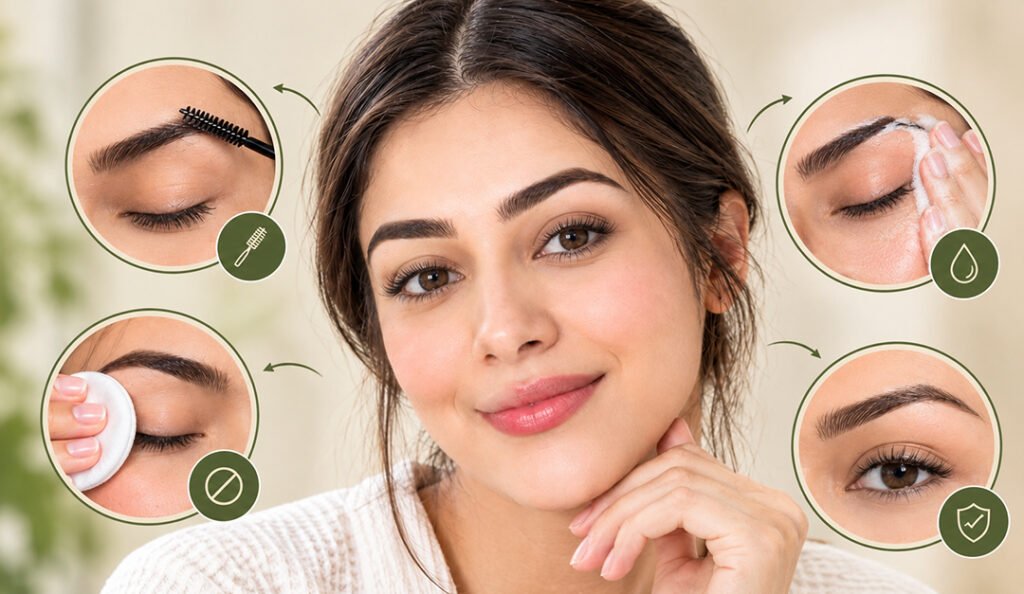
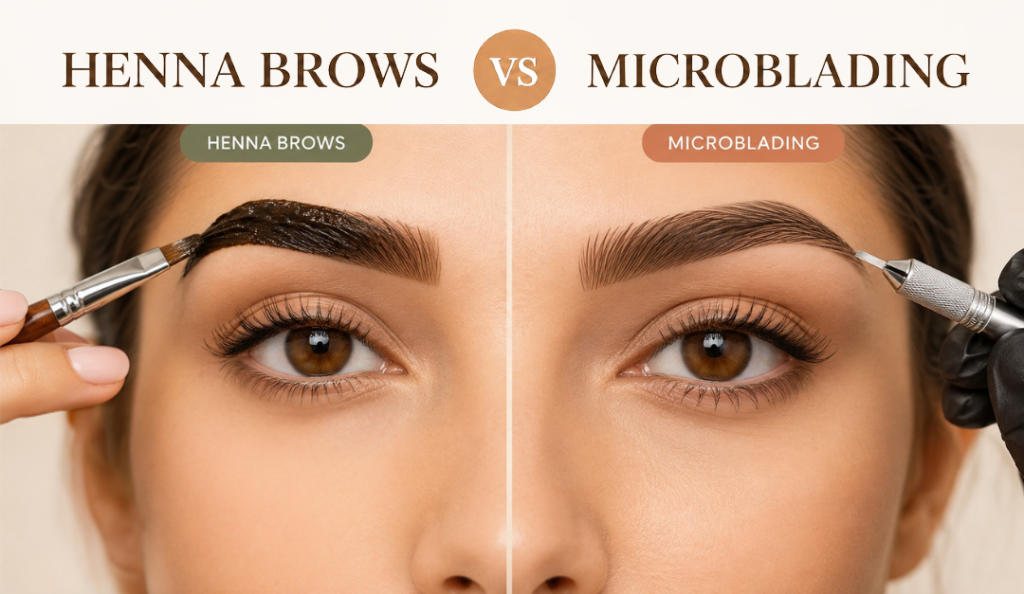
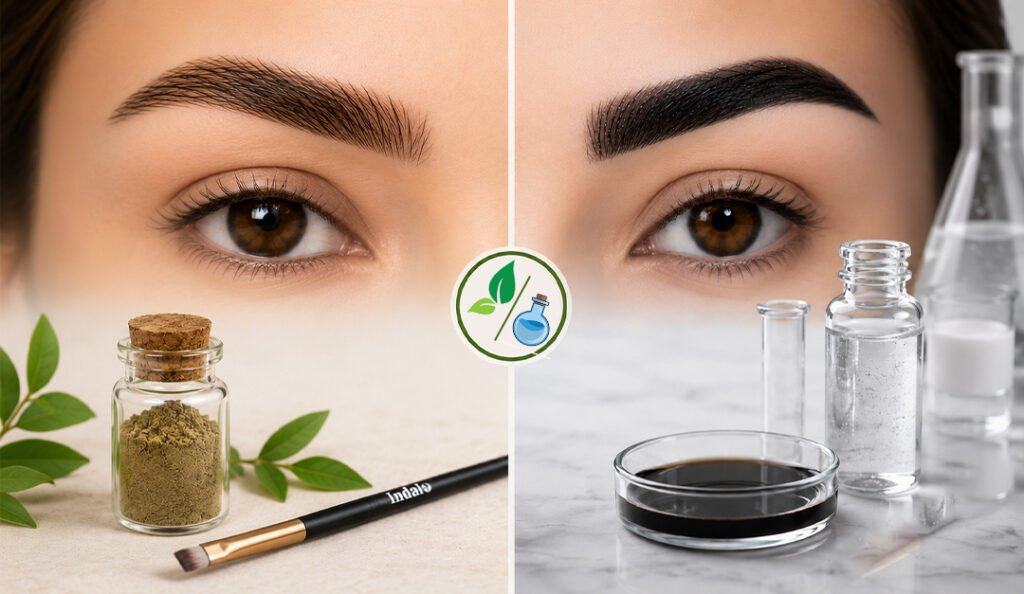
Eyebrow tinting used to mean two options: semi-permanent dyes with ammonia and peroxide, or a trip to a threading salon for a temporary shape-and-tint combo that faded in days. Henna changed that math. A well-formulated henna brow tint stains the skin and hair follicle rather than coating them, so the color lasts longer on skin (often five to ten days) while conditioning the brow hair instead of stripping it.
For consumers who’ve already switched to sulfate-free shampoo and mineral sunscreen, a plant-based eyebrow color is the obvious next step. And for brand founders, that consumer shift is the opening. The demand is there. The gap is that most indie beauty brands don’t have a chemist on staff and don’t know how henna brow tint is actually manufactured — so they end up either overpaying a middleman or, worse, private labeling a product that isn’t what it claims to be.
What “Private Label” Actually Means Here
Private label eyebrow color means a manufacturer produces the formulation, and you sell it under your own brand name, packaging, and marketing. It’s different from white-label in the sense that reputable private label arrangements usually allow some room for customization — a tweak to the shade range, adjustments to particle fineness, or a specific ratio of henna to supporting botanicals like indigo or amla.
The appeal for new brands is obvious: no R&D lab, no formulation chemists, no minimum order quantities in the hundreds of thousands of units that bulk chemical manufacturers often demand. You’re buying expertise and production capacity, not building it from scratch.
But this only works if the manufacturer you’re partnering with actually knows henna — not just hair color in general, but the specific behavior of lawsone (the dye molecule in henna) on facial skin and fine brow hair, which is a very different application than scalp hair color.
Why Buyers Keep Landing on India
There’s a reason so many private label brow tint lines trace back to henna powder manufacturers in India, and it isn’t just cost. Rajasthan — specifically the Sojat region — grows henna with naturally high lawsone content, and the crop has a GI (Geographical Indication) tag that protects its origin claim the same way Champagne or Darjeeling tea are protected. That matters for a brow tint brand because your marketing copy about “authentic Rajasthani henna” needs to actually be true, and buyers are getting sharper about checking that.
Beyond the raw material, Indian manufacturers in this space have decades of institutional knowledge around micronizing henna powder to the fineness needed for brow application — coarse henna works fine for hair, but brow tint needs a finer, smoother paste that won’t feel gritty against the delicate skin around the eyes. That’s a manufacturing detail that separates a genuinely brow-ready formulation from repackaged hair henna.
What to Actually Check Before You Sign a Sourcing Agreement
New brand founders tend to focus on price and minimum order quantity first, which is understandable, but it’s the wrong starting point. Here’s what should come first.
Ask whether they’re a manufacturer or a trader. This sounds basic, but a huge number of “suppliers” listed on B2B marketplaces are actually intermediaries buying from a manufacturer and marking up the price. A real manufacturer can show you the processing facility, not just a sample box.
Check for BIS/IS 11142 compliance. This is India’s quality standard specifically for henna powder, covering things like moisture content, foreign matter, and lawsone percentage. A manufacturer who can quote this standard unprompted usually knows what they’re doing.
Request a Certificate of Analysis and MSDS for every batch, not just the sample. Brow products sit close to the eyes, so allergen disclosure and heavy metal testing aren’t optional extras — they’re the difference between a product you can legally sell in the US, UK, or EU and one that gets flagged at customs or, worse, by a customer’s dermatologist.
Ask about particle size specifically for brow use. If a supplier can’t tell you the micron range of their henna powder, they likely haven’t formulated for facial application before.
Confirm private label flexibility upfront. Some manufacturers offer only fixed formulations with label swaps; others will adjust shade depth, add conditioning agents like castor oil or aloe, or formulate a mixing-liquid pairing specific to your brand. Know which one you’re getting before you commit to an MOQ.
Get clarity on export documentation. Phytosanitary certificates, COAs, and correct HS code classification aren’t glamorous, but they’re what keeps your shipment from sitting in a customs warehouse for three weeks while you explain to your first retail buyer why the launch is delayed.
The Formulation Question: What Goes Into a Good Henna Brow Tint
A plant-based eyebrow color built well isn’t just henna powder mixed with water. Most reputable formulations layer in a few supporting ingredients:
- Indigo powder is often blended in for cooler, ashier brow tones, since pure henna alone skews warm and orange-red.
- Amla and shikakai are traditional additions for conditioning, since they’re rich in the kind of nutrients that keep sparse or over-tweezed brow hair from looking brittle.
- A mixing agent — sometimes lemon juice, sometimes a manufacturer’s proprietary activator — affects how quickly and how deeply the dye develops.
None of this needs to be a mystery to you as a brand owner. A transparent manufacturer will walk you through the ingredient list and explain why each one is there, rather than treating the formula as a locked black box.
Common Mistakes New Brands Make
The most frequent misstep is choosing a supplier based purely on the lowest quoted price per kilogram without asking what’s actually in the “henna powder.” Cheaper henna is sometimes cut with lower-grade filler or has inconsistent lawsone content batch to batch, which means your customers get wildly different tint results depending on which lot they happen to purchase.
The second mistake is skipping a pilot order. Even with a strong-looking supplier, ordering a small trial batch before committing to a full production run lets you test shelf stability, patch-test the formulation, and confirm the shade matches your swatch samples once it’s actually applied to skin — not just how it looks in a jar.
The third is underestimating shipping and shelf-life logistics. Henna powder is sensitive to moisture and heat, so packaging and container conditions during ocean freight matter more than most new brands expect. A manufacturer experienced in export will already have this dialed in; one who’s only sold domestically might not.
Why Kirpal Export Overseas Is Built for This
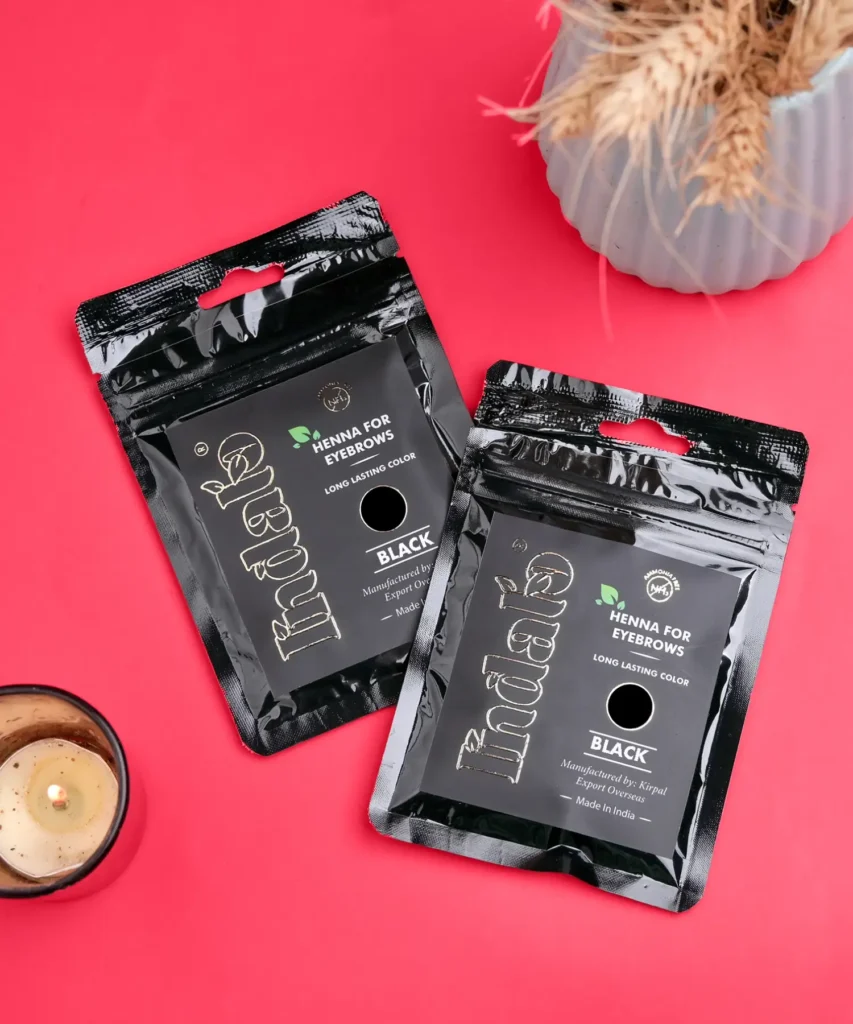
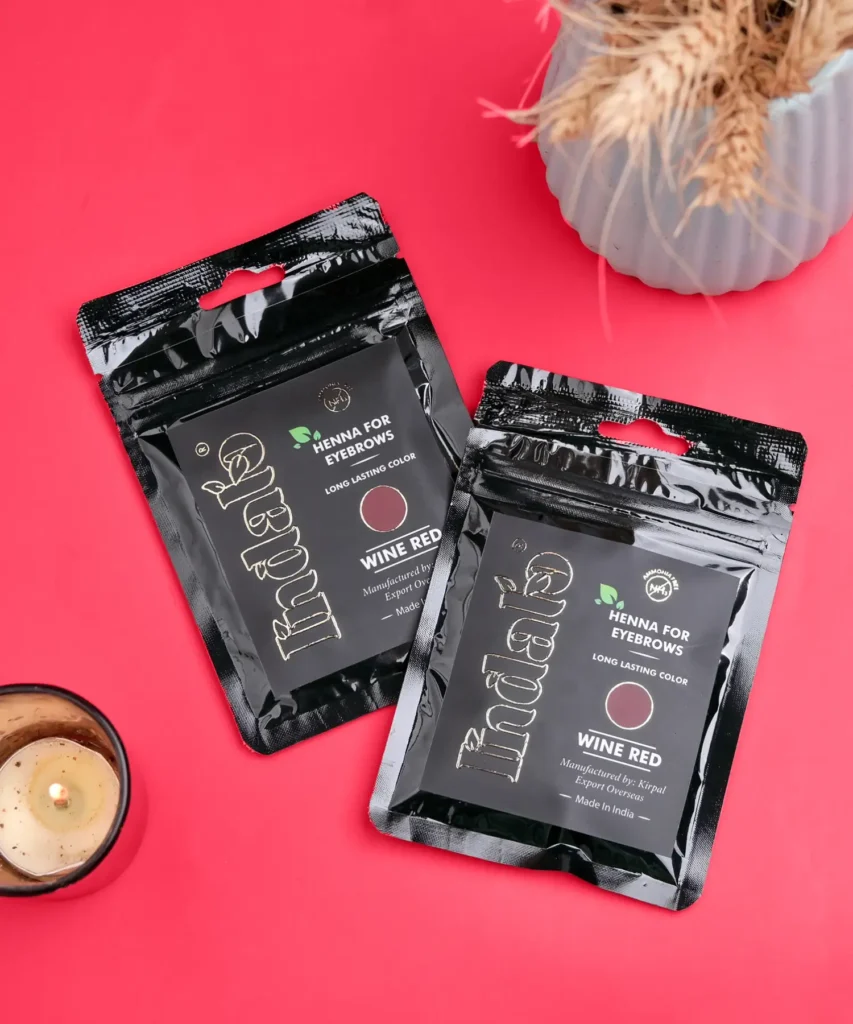
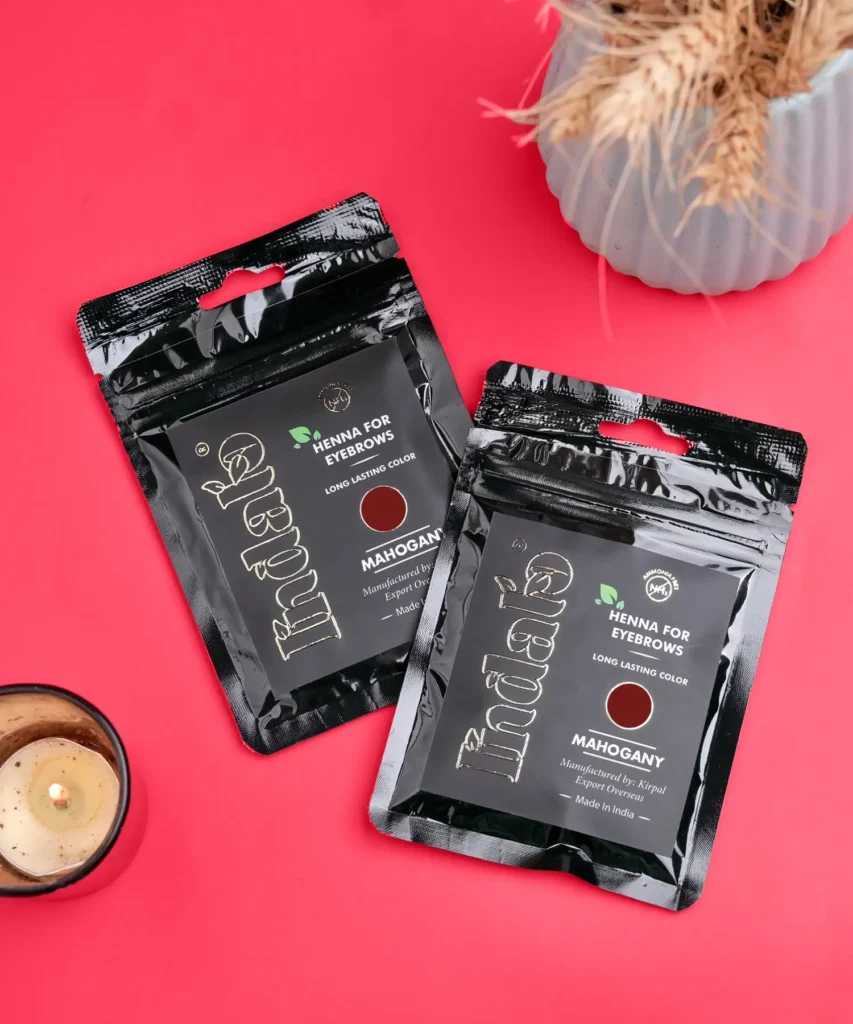
Kirpal Export Overseas has spent years manufacturing and exporting henna-based products from Sojat, Rajasthan — the same GI-tagged region that gives its henna its naturally high lawsone content and consistent quality. KEO doesn’t just supply raw henna powder; it produces formulated, export-ready henna hair and brow color under BIS/IS 11142 quality standards, with full documentation (COA, MSDS, phytosanitary certificates) provided for every batch.
For brands specifically building a private label eyebrow color line, KEO offers formulation flexibility that goes beyond a fixed recipe with a swapped label — shade depth, conditioning additives, and packaging can be adjusted to fit a brand’s positioning, whether that’s a fully plant-based clean-beauty angle or a hybrid conditioning-plus-color product. Combined with direct manufacturer pricing (no middleman markup) and experience shipping to the US, UK, UAE, and EU, KEO is positioned as a sourcing partner for brands that want their “plant-based” claim to hold up to scrutiny — because the henna actually is.
Getting Started
If you’re serious about launching a private label brow tint line, the sequence that tends to work is: request samples and documentation first, run a small pilot batch, patch-test and confirm shade accuracy, then scale into your first production order with export logistics locked in ahead of time. Brands that skip straight to a large first order — chasing a lower per-unit price — are usually the ones that end up reformulating six months in.
Henna brow tint isn’t a trend that’s fading. If anything, the plant-based beauty category keeps growing, and the brands that get their sourcing right early are the ones still standing when the next wave of competitors shows up asking the same questions you’re asking now.Eyebrow color has quietly become one of the most competitive corners of the clean beauty market, and yet most new brands entering the space are still asking the same three questions: who makes this stuff, is it actually natural, and can I put my own label on it. If you’re building a beauty line and eyeing henna-based brow tints as your entry point, you’re not early and you’re not late — you’re right on time, but only if you source correctly.
This guide walks through what actually goes into a private label eyebrow color line built on henna, why buyers keep gravitating toward Indian manufacturers for this specific product, and where new brands tend to trip up before their first shipment ever leaves the warehouse.
Why Henna Brow Tint Is Having a Moment
Eyebrow tinting used to mean two options: semi-permanent dyes with ammonia and peroxide, or a trip to a threading salon for a temporary shape-and-tint combo that faded in days. Henna changed that math. A well-formulated henna brow tint stains the skin and hair follicle rather than coating it, which means the color lasts longer on skin (often five to ten days) while conditioning the brow hair instead of stripping it.
For consumers who’ve already switched to sulfate-free shampoo and mineral sunscreen, a plant-based eyebrow color is the obvious next step. And for brand founders, that consumer shift is the opening. The demand is there. The gap is that most indie beauty brands don’t have a chemist on staff and don’t know how henna brow tint is actually manufactured — so they end up either overpaying a middleman or, worse, private labeling a product that isn’t what it claims to be.
What “Private Label” Actually Means Here
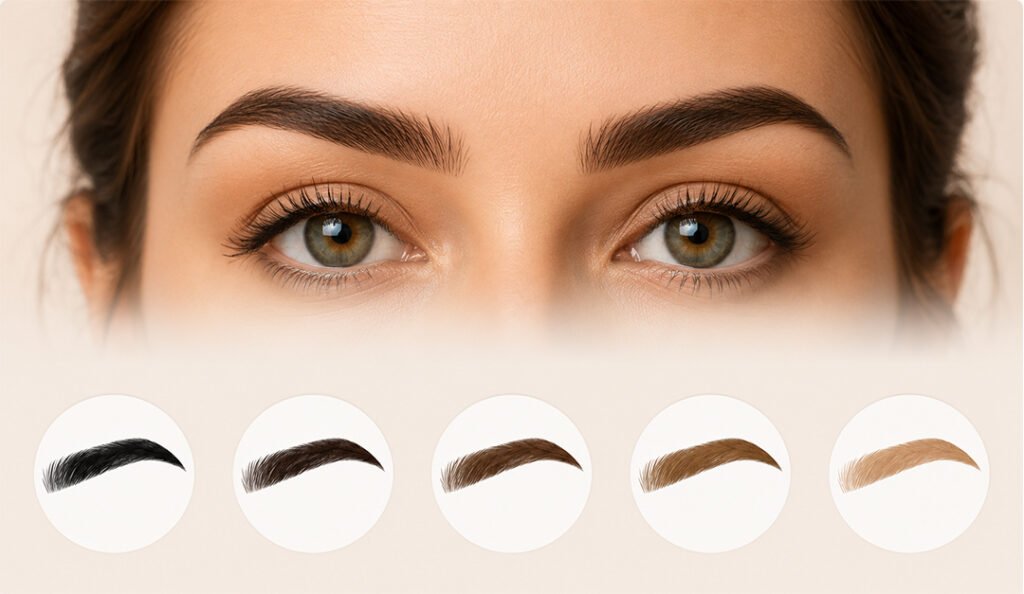
Private label eyebrow color means a manufacturer produces the formulation, and you sell it under your own brand name, packaging, and marketing. It’s different from white-label in the sense that reputable private label arrangements usually allow some room for customization — a tweak to the shade range, adjustments to particle fineness, or a specific ratio of henna to supporting botanicals like indigo or amla.
The appeal for new brands is obvious: no R&D lab, no formulation chemists, no minimum order quantities in the hundreds of thousands of units that bulk chemical manufacturers often demand. You’re buying expertise and production capacity, not building it from scratch.
But this only works if the manufacturer you’re partnering with actually knows henna — not just hair color in general, but the specific behavior of lawsone (the dye molecule in henna) on facial skin and fine brow hair, which is a very different application than scalp hair color.
Why Buyers Keep Landing on India
There’s a reason so many private label brow tint lines trace back to henna powder manufacturers in India, and it isn’t just cost. Rajasthan — specifically the Sojat region — grows henna with naturally high lawsone content, and the crop has a GI (Geographical Indication) tag that protects its origin claim the same way Champagne or Darjeeling tea are protected. That matters for a brow tint brand because your marketing copy about “authentic Rajasthani henna” needs to actually be true, and buyers are getting sharper about checking that.
Beyond the raw material, Indian manufacturers in this space have decades of institutional knowledge around micronizing henna powder to the fineness needed for brow application — coarse henna works fine for hair, but brow tint needs a finer, smoother paste that won’t feel gritty against the delicate skin around the eyes. That’s a manufacturing detail that separates a genuinely brow-ready formulation from repackaged hair henna.
What to Actually Check Before You Sign a Sourcing Agreement
New brand founders tend to focus on price and minimum order quantity first, which is understandable, but it’s the wrong starting point. Here’s what should come first.
Ask whether they’re a manufacturer or a trader. This sounds basic, but a huge number of “suppliers” listed on B2B marketplaces are actually intermediaries buying from a manufacturer and marking up the price. A real manufacturer can show you the processing facility, not just a sample box.
Check for BIS/IS 11142 compliance. This is India’s quality standard specifically for henna powder, covering things like moisture content, foreign matter, and lawsone percentage. A manufacturer who can quote this standard unprompted usually knows what they’re doing.
Request a Certificate of Analysis and MSDS for every batch, not just the sample. Brow products sit close to the eyes, so allergen disclosure and heavy metal testing aren’t optional extras — they’re the difference between a product you can legally sell in the US, UK, or EU and one that gets flagged at customs or, worse, by a customer’s dermatologist.
Ask about particle size specifically for brow use. If a supplier can’t tell you the micron range of their henna powder, they likely haven’t formulated for facial application before.
Confirm private label flexibility upfront. Some manufacturers offer only fixed formulations with label swaps; others will adjust shade depth, add conditioning agents like castor oil or aloe, or formulate a mixing-liquid pairing specific to your brand. Know which one you’re getting before you commit to an MOQ.
Get clarity on export documentation. Phytosanitary certificates, COAs, and correct HS code classification aren’t glamorous, but they’re what keeps your shipment from sitting in a customs warehouse for three weeks while you explain to your first retail buyer why the launch is delayed.
The Formulation Question: What Goes Into a Good Henna Brow Tint
A plant-based eyebrow color built well isn’t just henna powder mixed with water. Most reputable formulations layer in a few supporting ingredients:
- Indigo powder is often blended in for cooler, ashier brow tones, since pure henna alone skews warm and orange-red.
- Amla and shikakai are traditional additions for conditioning, since they’re rich in the kind of nutrients that keep sparse or over-tweezed brow hair from looking brittle.
- A mixing agent — sometimes lemon juice, sometimes a manufacturer’s proprietary activator — affects how quickly and how deeply the dye develops.
None of this needs to be a mystery to you as a brand owner. A transparent manufacturer will walk you through the ingredient list and explain why each one is there, rather than treating the formula as a locked black box.
Common Mistakes New Brands Make
The most frequent misstep is choosing a supplier based purely on the lowest quoted price per kilogram without asking what’s actually in the “henna powder.” Cheaper henna is sometimes cut with lower-grade filler or has inconsistent lawsone content batch to batch, which means your customers get wildly different tint results depending on which lot they happen to purchase.
The second mistake is skipping a pilot order. Even with a strong-looking supplier, ordering a small trial batch before committing to a full production run lets you test shelf stability, patch-test the formulation, and confirm the shade matches your swatch samples once it’s actually applied to skin — not just how it looks in a jar.
The third is underestimating shipping and shelf-life logistics. Henna powder is sensitive to moisture and heat, so packaging and container conditions during ocean freight matter more than most new brands expect. A manufacturer experienced in export will already have this dialed in; one who’s only sold domestically might not.
Why Kirpal Export Overseas Is Built for This
Kirpal Export Overseas has spent years manufacturing and exporting henna-based products from Sojat, Rajasthan — the same GI-tagged region that gives its henna its naturally high lawsone content and consistent quality. KEO doesn’t just supply raw henna powder; it produces formulated, export-ready henna hair and brow color under BIS/IS 11142 quality standards, with full documentation (COA, MSDS, phytosanitary certificates) provided for every batch.
For brands specifically building a private label eyebrow color line, KEO offers formulation flexibility that goes beyond a fixed recipe with a swapped label — shade depth, conditioning additives, and packaging can be adjusted to fit a brand’s positioning, whether that’s a fully plant-based clean-beauty angle or a hybrid conditioning-plus-color product. Combined with direct manufacturer pricing (no middleman markup) and experience shipping to the US, UK, UAE, and EU, KEO is positioned as a sourcing partner for brands that want their “plant-based” claim to hold up to scrutiny — because the henna actually is.
Getting Started
If you’re serious about launching a private label brow tint line, the sequence that tends to work is: request samples and documentation first, run a small pilot batch, patch-test and confirm shade accuracy, then scale into your first production order with export logistics locked in ahead of time. Brands that skip straight to a large first order — chasing a lower per-unit price — are usually the ones that end up reformulating six months in.
Henna brow tint isn’t a trend that’s fading. If anything, the plant-based beauty category keeps growing, and the brands that get their sourcing right early are the ones still standing when the next wave of competitors shows up asking the same questions you’re asking now.
FAQs:
1. What does “private label eyebrow color” actually mean?
It means a manufacturer formulates and produces the henna-based brow tint, and you sell it under your own brand name and packaging. Reputable manufacturers also allow some formulation customization, such as shade depth or added conditioning ingredients.
2. Why do most private label henna brow tint brands source from India?
India, particularly the Sojat region of Rajasthan, produces GI-tagged henna with naturally high lawsone content, and Indian manufacturers have long-standing expertise in processing henna specifically for cosmetic use, including the fine particle size needed for brow application.
3. Is henna eyebrow tint truly plant-based?
A properly formulated henna brow tint is plant-based when it relies on henna, indigo, and supporting botanicals like amla or shikakai rather than synthetic dyes. Always request a full ingredient breakdown and Certificate of Analysis to confirm this before sourcing.
4. How long does henna brow tint typically last on skin versus hair?
On skin, the stain generally lasts five to ten days depending on skin type and exfoliation habits. On the brow hairs themselves, the tint can last four to six weeks since hair doesn’t shed and renew as quickly as skin.
5. What documentation should I request before placing a bulk order?
At minimum, ask for a Certificate of Analysis (COA), Material Safety Data Sheet (MSDS), BIS/IS 11142 compliance confirmation, and export documentation such as a phytosanitary certificate. These confirm quality, safety, and smooth customs clearance.