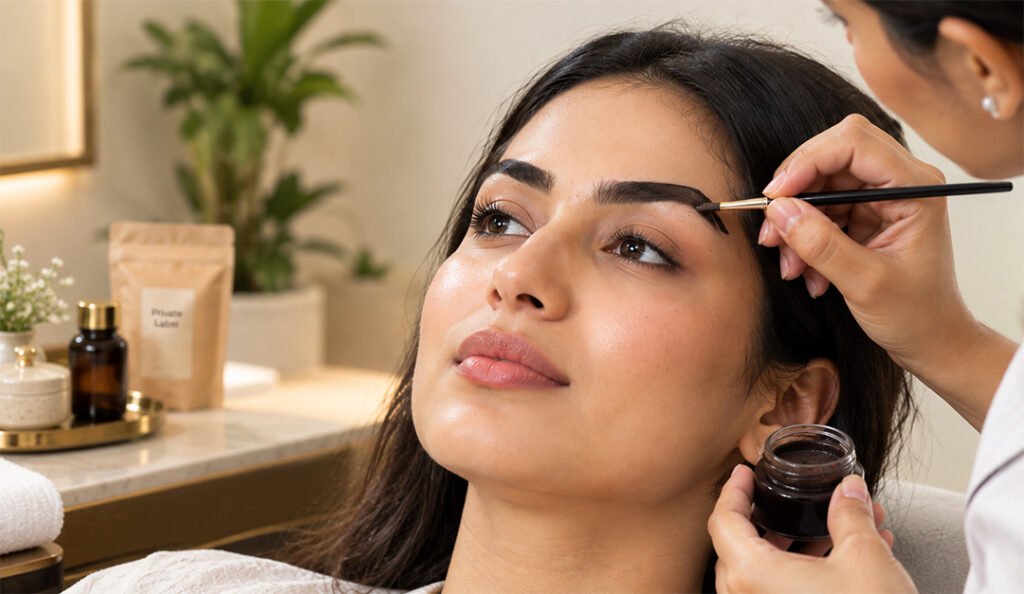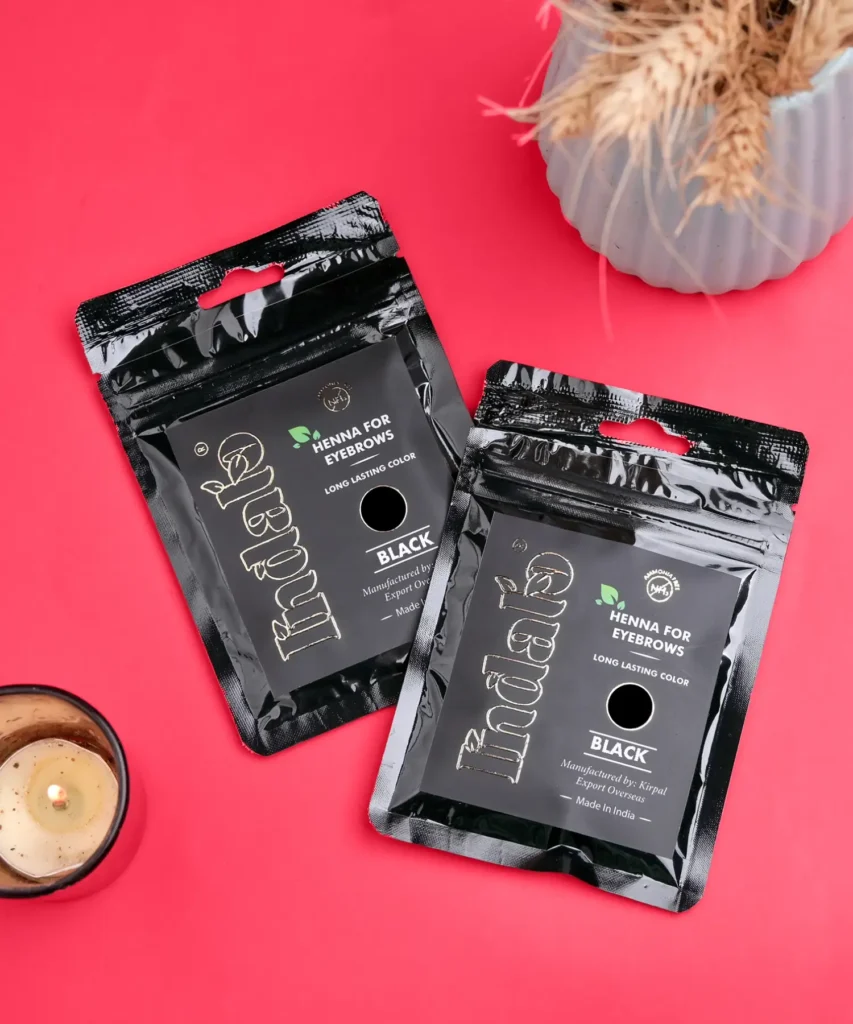
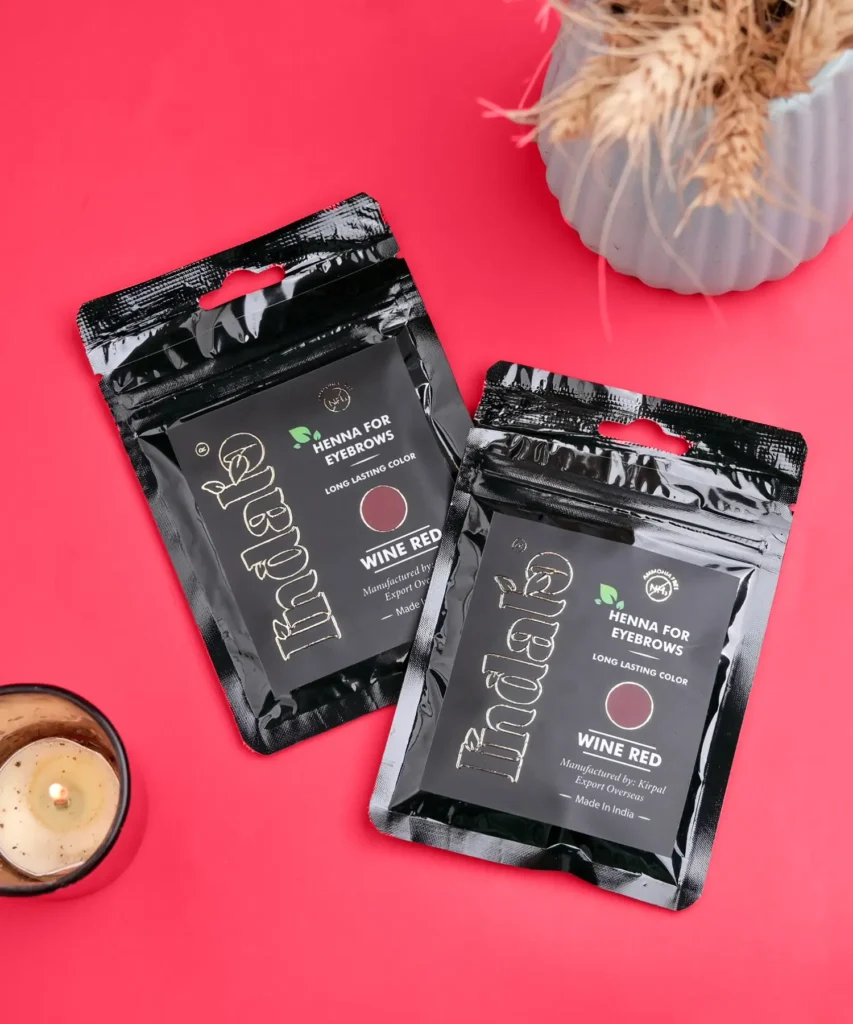
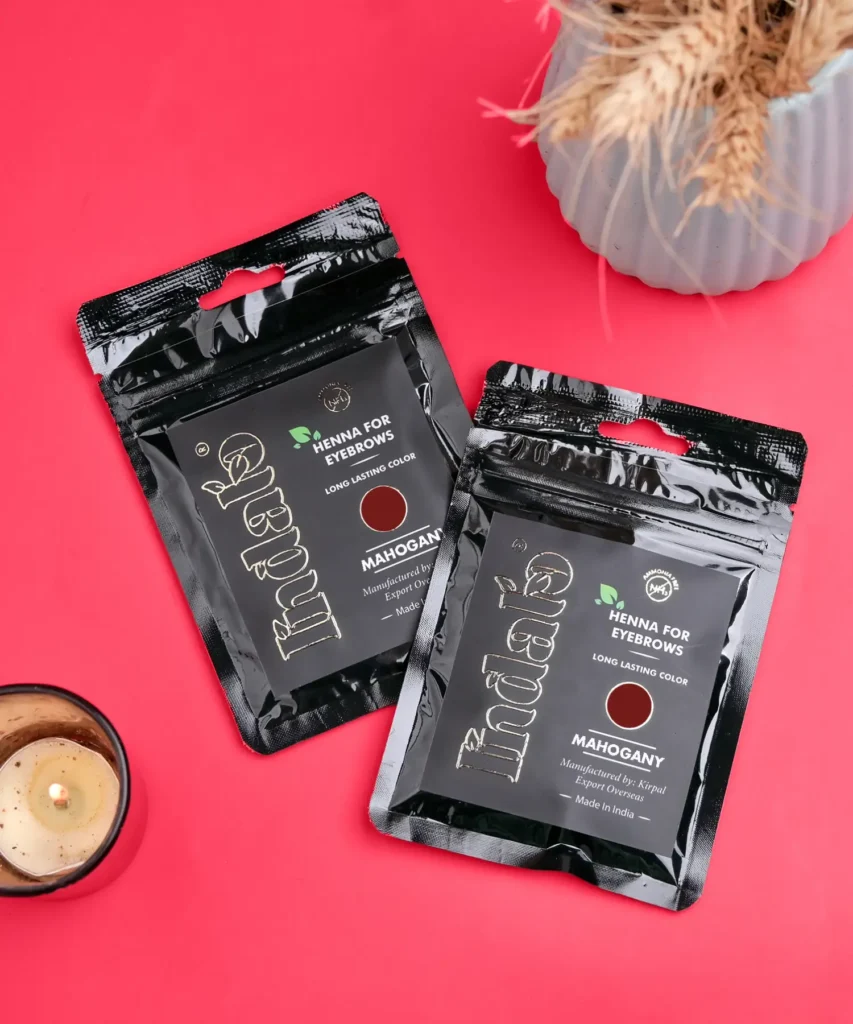
Why did the mummy of Ramesses II, with hands, feet, and hair stained by henna, still have white eyebrows? That is how the Egyptologist who unwrapped the pharaoh described the face: pale brows above hair dyed a light red. Later examination of the mummy suggested the king’s natural hair had been auburn, so the henna may have been an attempt to bring back his younger look. Henna has been staining hair and skin ever since, and today eyebrows are on the salon menu too. But the menu now offers three routes to darker brows: classic tint, plant-based henna and the newer hybrid dye. They look alike in a booking app and behave very differently on skin.
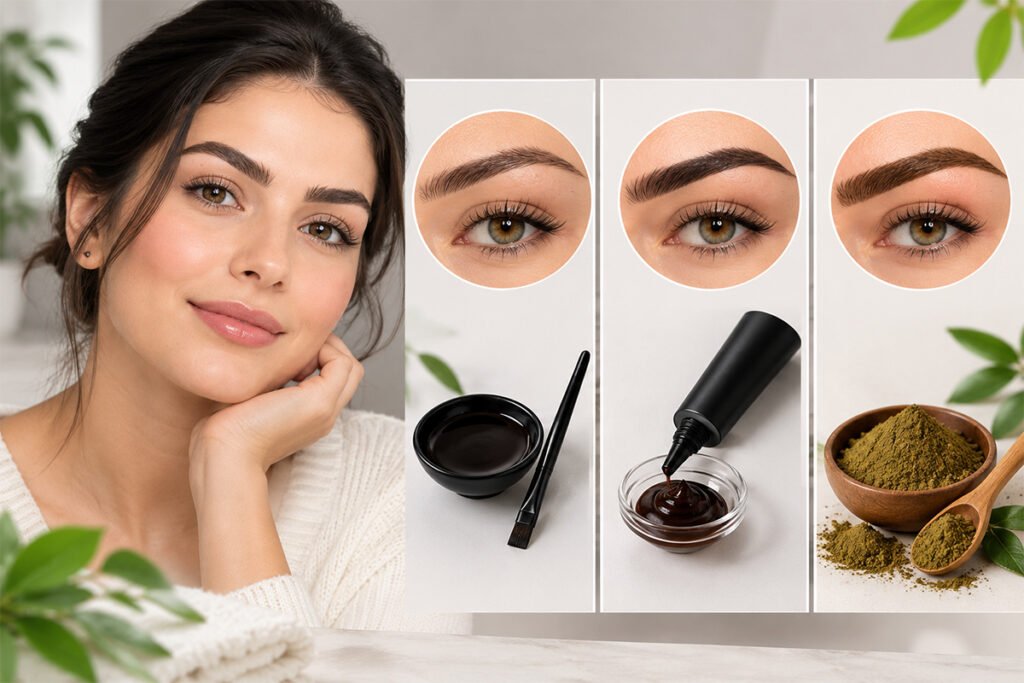
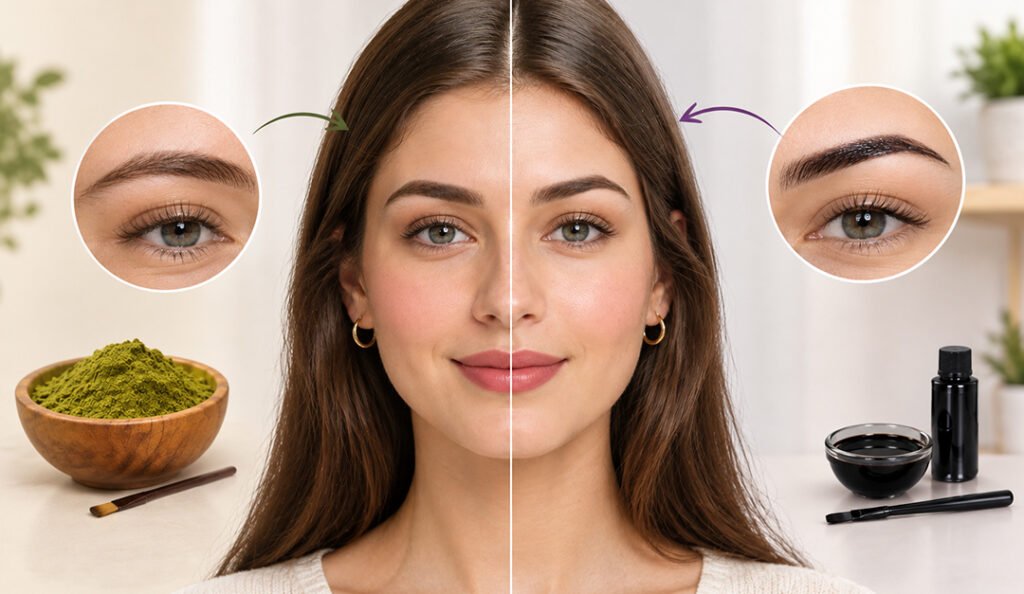
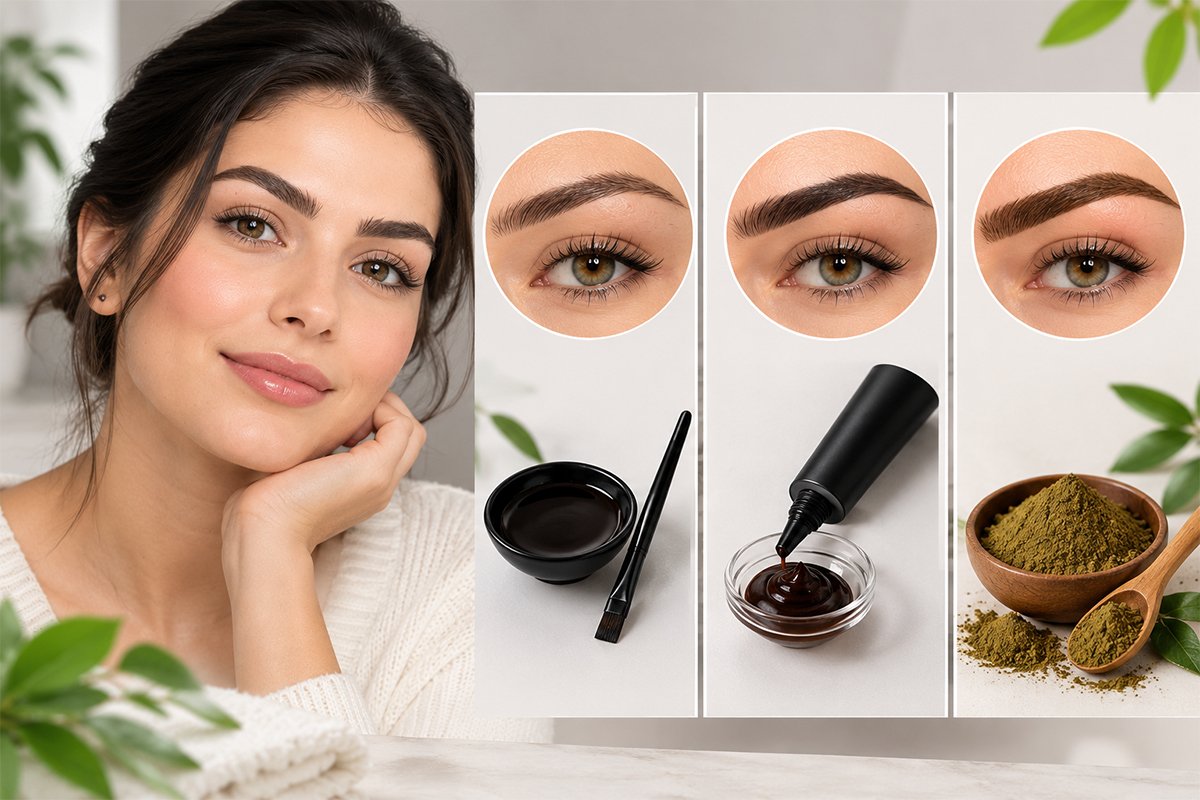
The difference between brow tint, hybrid dye and henna comes down to what gets coloured and with what. A classic eyebrow tint is an oxidative dye mixed with a developer, and it colours the hair only. Eyebrow henna is a plant powder that stains the hair and the skin beneath it. A hybrid dye is a newer system that colours the hair and leaves a skin stain too, usually without using henna.
That matters more in 2026, when brow experts are talking about softer, more natural brows and about leaving a few gaps visible so the shape does not look flat. Which of the three you choose decides how soft or how solid the result looks.
How Does Classic Eyebrow Tint Work?
Brow tint is a semi-permanent cosmetic dye, usually an oxidative dye mixed with a developer and brushed on to deepen the colour of the brow hairs. In simple terms, it works like hair colour, only in a gentler formula made for the area around the eyes.
Because it is built to colour the hair shaft, any dye that lands on skin comes off fast, typically within a day or two. That is the whole personality of a tint: it makes brows darker and more even, but it does not add the look of extra density. It suits people who like their shape and want richer colour. It is also the usual choice for blonde, grey, or very light hairs that vanish against the skin. Reported wear on the hair runs from about two to four weeks, and up to six on some hair types.
What Is Eyebrow Henna, Exactly?
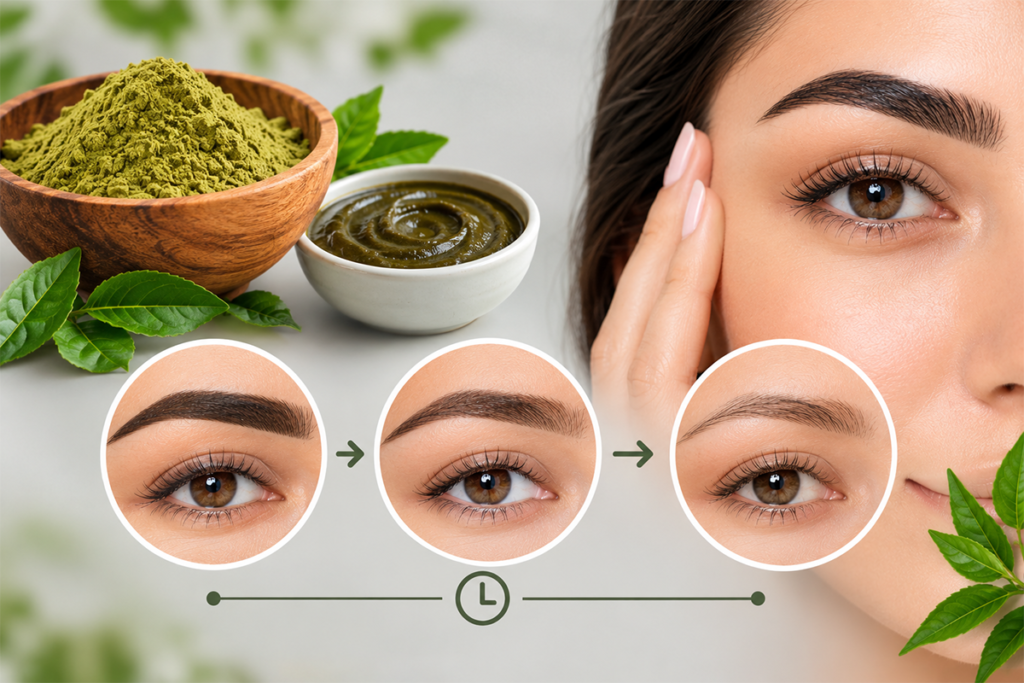
Eyebrow henna is a paste made from the dried, powdered leaves of the henna plant, Lawsonia inermis. Its pigment, lawsone, binds to the keratin in hair and in the top layer of skin, so henna stains both. The skin stain is the point. It creates a soft shadow under the hairs that fills small gaps, which is why henna brows look fuller than a tint on the same eyebrow.
Henna colour starts orange-red and deepens over the first day or two, so a fresh set can look warmer than the final shade. Pure henna on its own lands in the red-brown family. Darker plant-based shades usually come from blending it with other plants, indigo being the best-known partner. Anything sold as “black henna” that develops in minutes deserves a hard look at the ingredient list, because instant jet black is a classic warning sign for added chemical dye such as PPD.
Henna typically sits on the brows for 15 to 20 minutes. The skin stain is usually reported at one to two weeks and the hair colour at up to six. If you want the head-to-head on this pair alone, there is a detailed comparison of henna brows and regular eyebrow tint that goes deeper on application and aftercare.
What Makes Hybrid Dye Different From Tint and Henna?
A hybrid dye, also sold as a hybrid stain or hybrid tint, is built to do what henna does (colour the hair and stain the skin) with the convenience of a tint. It usually comes as a cream, gel, or liquid, is mixed with its own developer, and works on a timeline closer to a tint than to henna: roughly 10 to 20 minutes depending on the brand.
Here is the part most guides skip. “Hybrid” describes an effect, not one fixed formula. Many hybrid products are henna-free and say so, which is why they are often used straight after brow lamination. The pigment system still differs by brand, and some hybrids contain conventional oxidative dyes. The ingredient list matters more than the word on the box.
Reported results are a hair colour that holds for roughly four to seven weeks and a skin stain of about three to ten days, with a few brands claiming more. Hybrid ranges also tend to offer wider, mixable shade palettes than most henna, which helps with cool ash tones and close colour matching. In short, henna is the slow-burning conversation, tint is the whisper, and hybrid is the one that gets to the point.
Brow Tint vs Hybrid Dye vs Henna: Side-by-Side
| Factor | Brow tint | Hybrid dye | Eyebrow henna |
|---|---|---|---|
| What it colours | Hair only | Hair and skin | Hair and skin |
| Core formula | Oxidative dye plus developer | Brand-specific dye or pigment system plus hybrid developer, often henna-free | Powdered henna leaf paste, sometimes blended with other plants |
| Skin stain | About 1–2 days | About 3–10 days | About 1–2 weeks |
| Hair colour | About 2–4 weeks, up to 6 | About 4–7 weeks | Up to about 6 weeks |
| Typical processing | A few to 20 minutes | About 10–20 minutes | About 15–20 minutes |
| Look | Deeper natural colour | Defined, powdered-brow effect | Soft shadow, warm tones that deepen |
| Shade range | Wide | Wide and mixable | Narrower, red-brown to deep brown |
These are typical reported ranges. Formula, aftercare, hair texture,e and how oily the skin is all move the numbers.
Which One Suits Which Brow?
- Choose tint if you like your shape and want richer colour, or if your brow hairs are fine, blond, red, or grey.
- Choose hybrid dye if your brows are sparse or uneven and you want a fuller look in less chair time, or you plan to pair it with lamination.
- Choose henna if you want a plant-based pigment, a strong skin shadow, and are happy to wait for the colour to develop.
What Should Salons and Buyers Check Before Sourcing?
The distinction is not only a client question. Formulas, labels, and packaging differ a lot at the wholesale level, and a hybrid that suits one market may not suit another. When you compare eyebrow dye manufacturers and eyebrow color suppliers, work through this list:
- Ask for the full ingredient list and the developer ratio for every product, whether tint, hybrid, or henna.
- Ask about PPD directly. A supplier who answers with a document rather than a slogan is easier to trust.
- Check shade consistency between batches, and ask what testing sits behind it.
- Look at what actually ships: pouch size, applicators, mixing tools, and instruction leaflets in your clients’ language.
- Confirm the paperwork your destination market expects, such as safety assessment and labelling.
- Ask about private label and packaging options early, since they shape minimum orders.
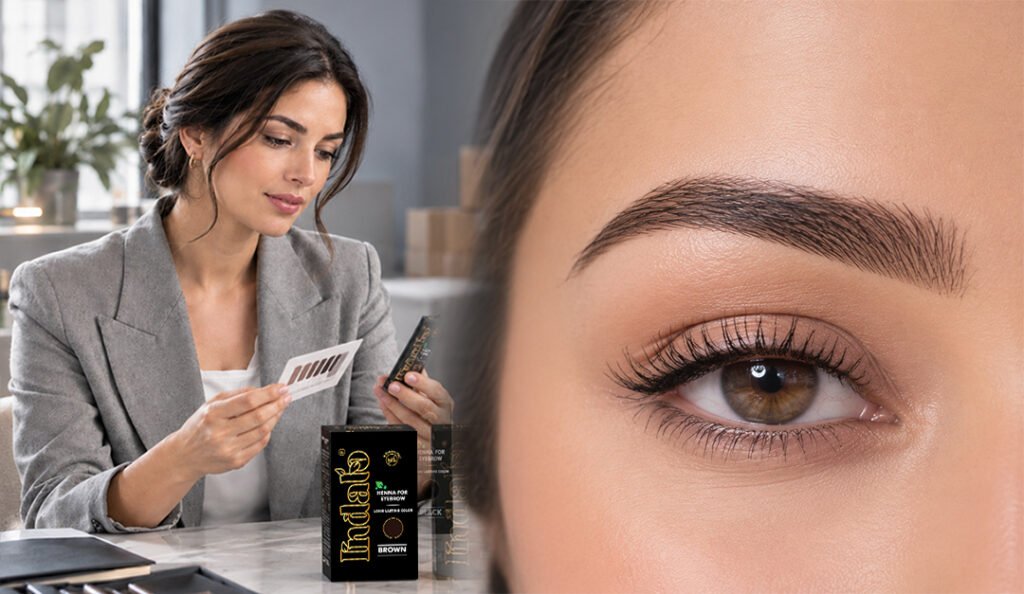
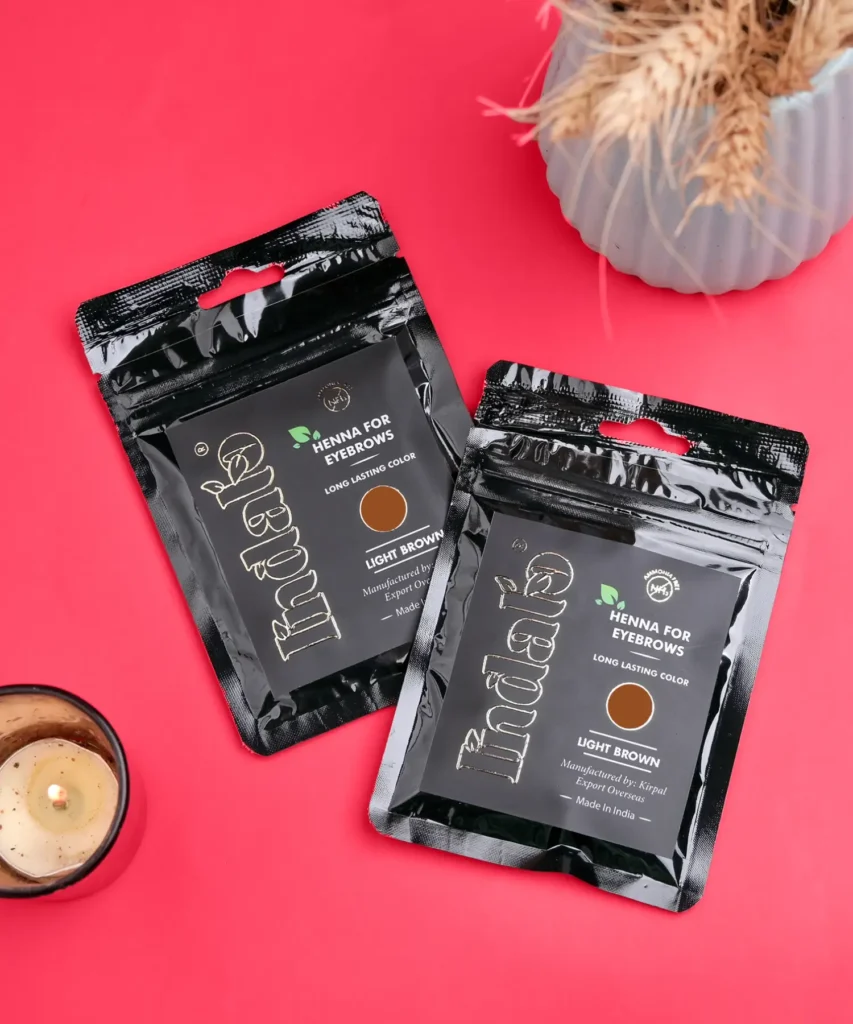
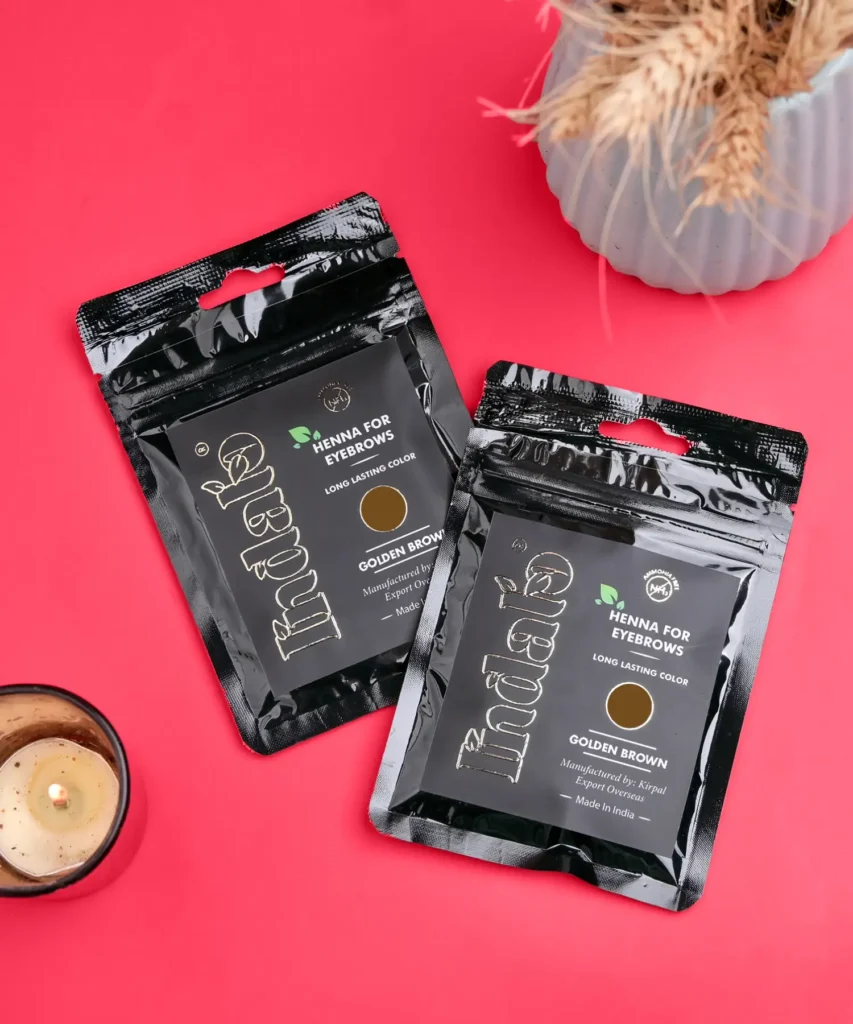
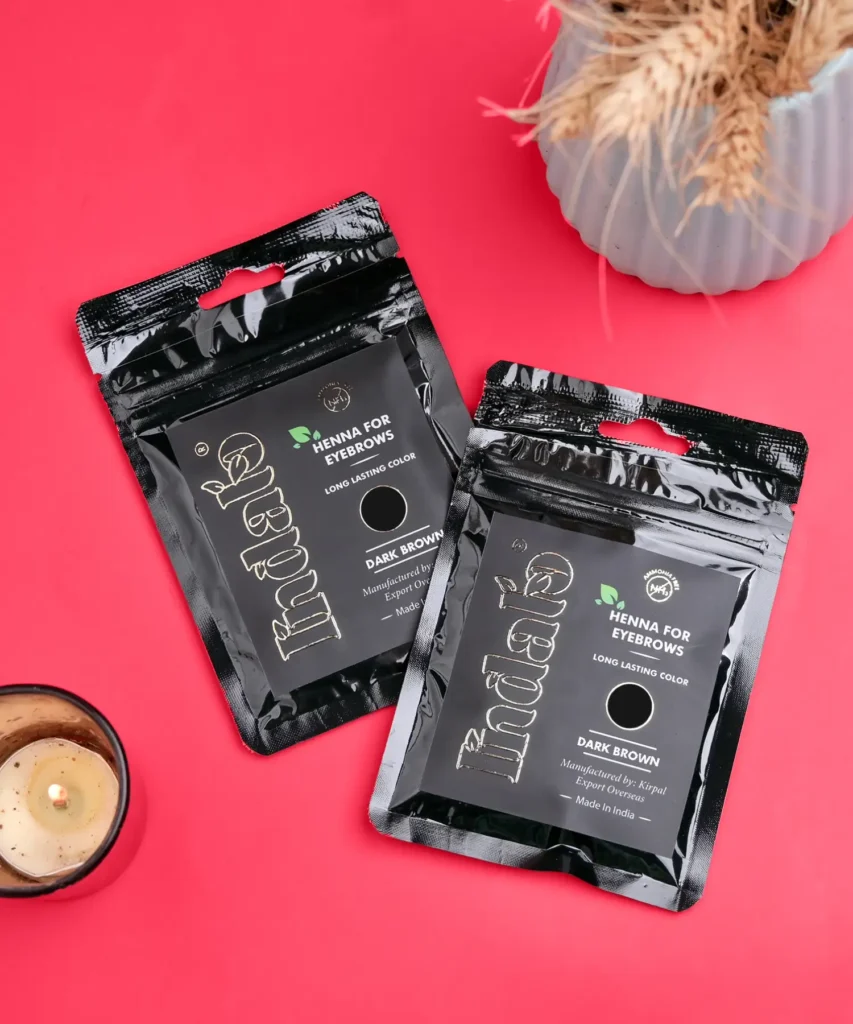
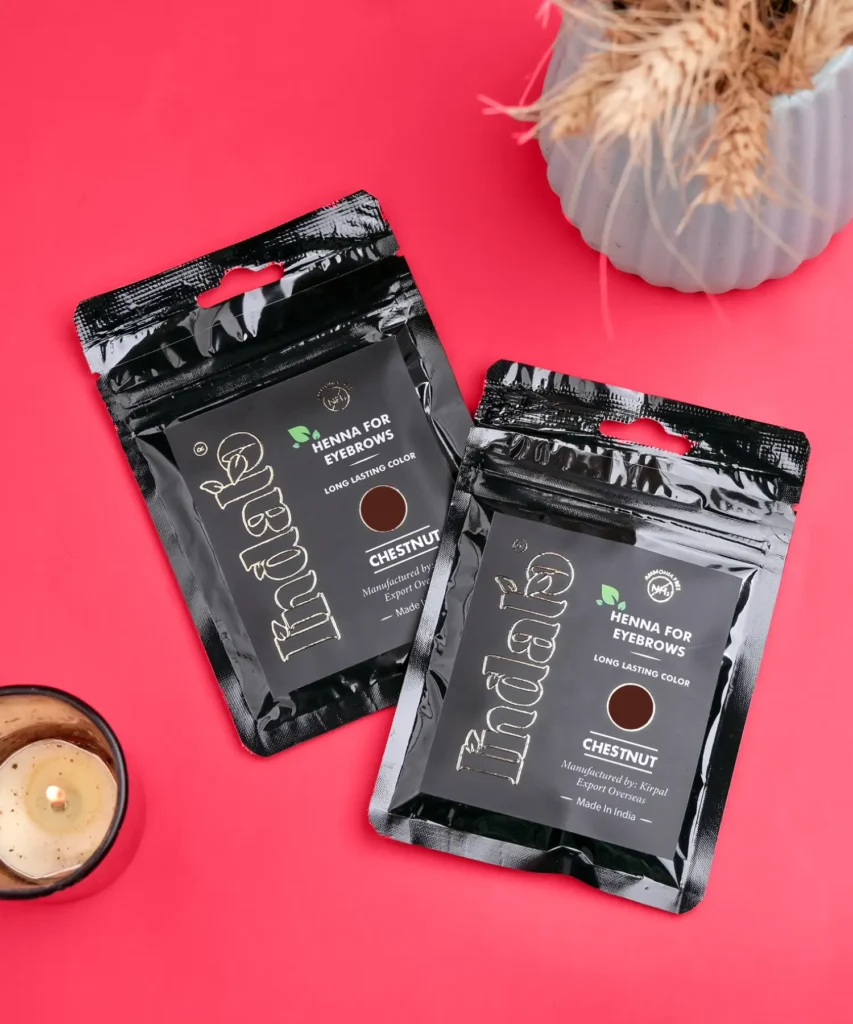
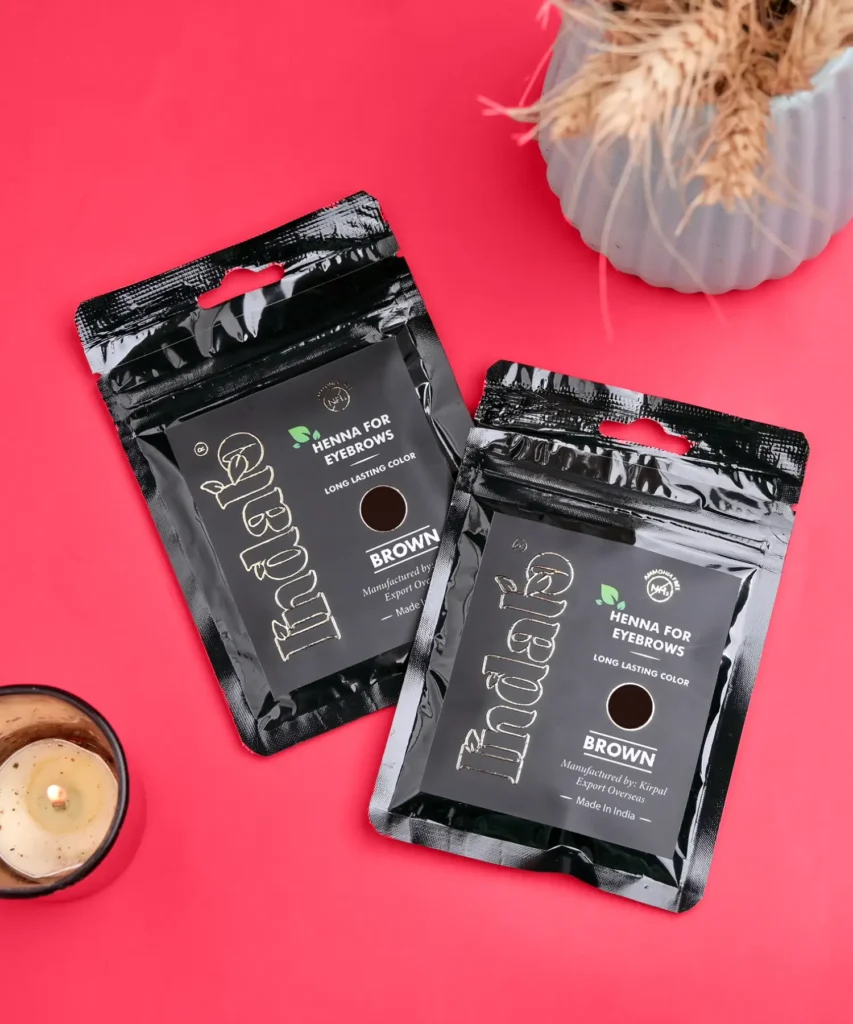
A good habit is to see how a manufacturer presents its range in the open. One example is an eyebrow tint and henna range with eight shades, 10 g pouches and customizable packaging, which is the kind of detail that helps when you are weighing eyebrow tint wholesale options. For the henna side, among eyebrow henna manufacturers,s there is an eyebrow henna range offered in bulk with private-label options that shows how an eight-shade lineup can be laid out.
Are Any of Them Safer Than the Others?
None is risk-free, and “natural” is not a safety guarantee. All three need a patch test 24 to 48 hours before every appointment, because reactions can appear even after years of trouble-free use. The allergen to watch is PPD, which can be present in some tints, some hybrid formulas, and in so-called black henna. In the United States, the Food and Drug Administration has not approved any colour additive for dyeing eyebrows or eyelashes, so rules and salon practice vary widely between countries. If you are pregnant, breastfeeding or have sensitive skin, speak to a doctor and your technician first. This article is educational and is not medical advice.
FAQ
Q: Which lasts longer, eyebrow tint, hybrid dye or henna?
A: On the hair, hybrid dye and henna usually outlast a classic tint, with hybrid dye lasting about four to seven weeks and henna up to about six. For the skin stain, henna typically lasts longest at one to two weeks, hybrid dye about three to ten days, and eyebrow tint only a day or two.
Q: Is hybrid dye the same as henna?
A: No. A hybrid dye copies henna’s skin stain, but most hybrids are henna-free and use a different pigment system with a developer. Hybrids are usually quicker to apply and come in more shades, while eyebrow henna is a plant paste whose colour develops over a day or two.
Q: Can I use hybrid dye or henna after brow lamination?
A: Many brands list hybrid dye as suitable straight after lamination. Henna is also paired with lamination, usually with lamination first and colour second. Some technicians space the two out for first-time or sensitive-skin clients, so ask how yours sequences it.
Q: Why do henna brows look orange at first?
A: The lawsone pigment needs time to develop, so fresh henna reads warm and then deepens over 24 to 48 hours. Rushed processing, old or poorly mixed paste, and oily skin can make the warmth stronger. Plant blends such as henna with indigo give cooler, deeper tones.
Q: Do I need a patch test for all three?
A: Yes, every time. A patch test 24 to 48 hours before the appointment is standard practice for tint, hybrid dye, and henna, because sensitivities can develop later and formulas change between batches.
So, Which One Is Right?
If you remember one line, make it this: tint colours the hair, henna colours the hair and the skin with a plant paste, and hybrid dye colours both with a more flexible, usually henna-free formula. The right choice depends on the brow you have, the look you want and how much time you are willing to give it. For anyone buying in bulk, the useful next step is to request ingredient lists and sample shades for all three types side by side, then compare wear, skin stain,n and labelling on real brows before committing to a range.