If you’ve been down the brow-treatment rabbit hole on social media, you’ve probably landed on the same fork in the road a lot of people do: henna brows or microblading? Both promise fuller, more defined eyebrows. Both have loyal fans posting dramatic before-and-afters. And both come with a completely different commitment level, price tag, and process — which makes the decision harder than it should be.
So let’s actually break this down properly, without the marketing spin. What’s the real difference between henna brows and microblading, which one is actually “better” (spoiler: it depends on you), and — since this comes up constantly — exactly how long should henna sit on your eyebrows to get it right?
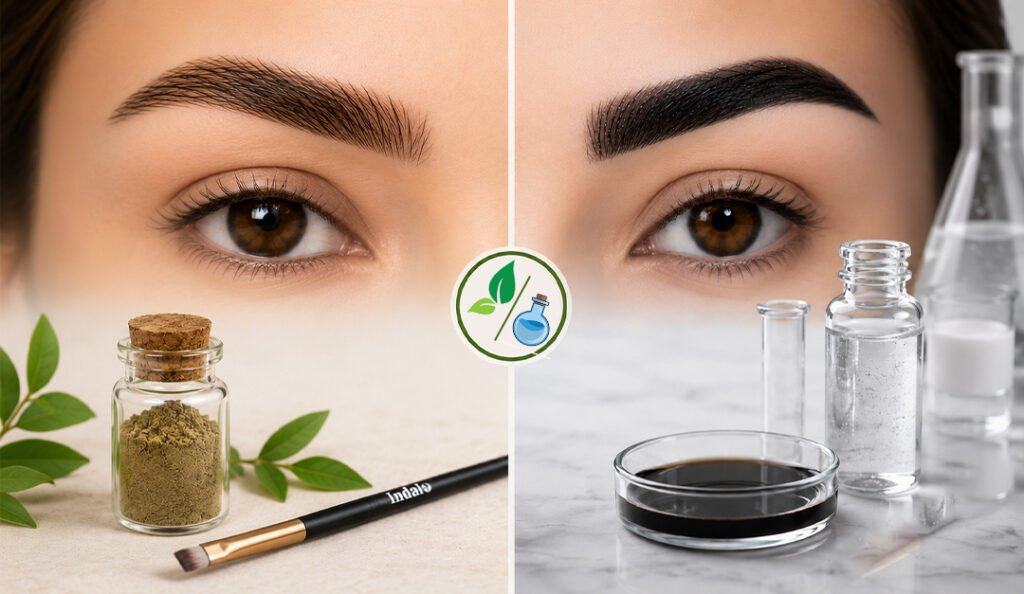
Henna Brows vs. Microblading: The Core Difference
The biggest thing to understand upfront is that these two treatments aren’t really competing for the same job. They solve the fullness problem in fundamentally different ways.
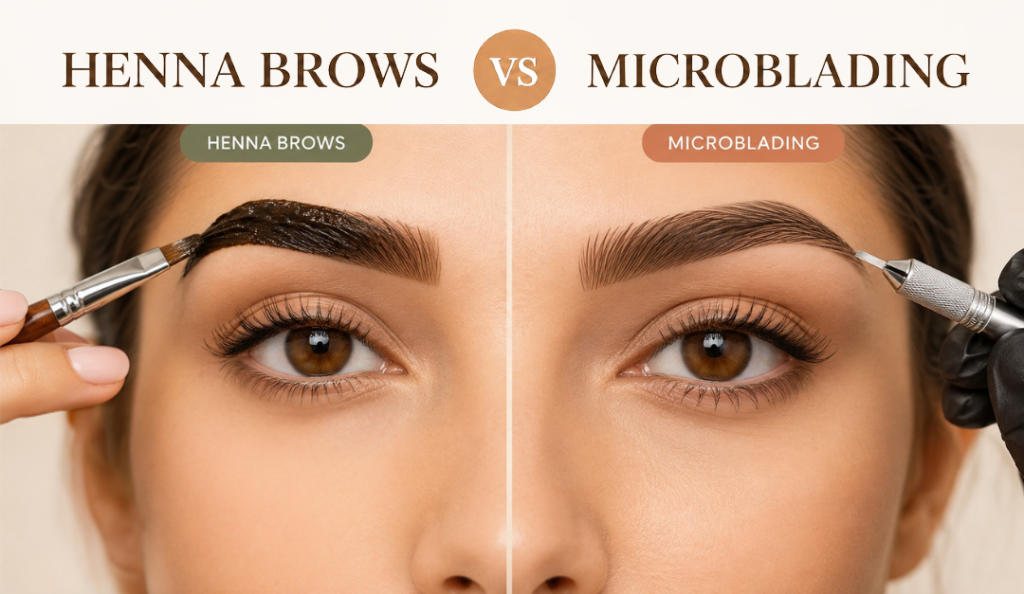
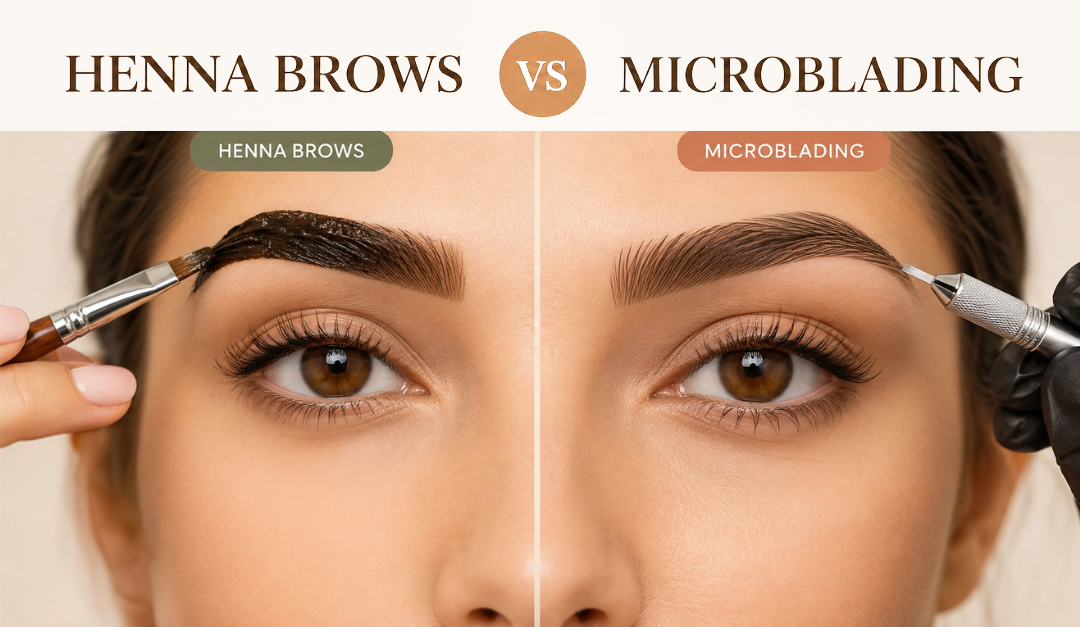
Microblading is a semi-permanent tattooing technique. A technician uses a handheld tool with tiny needles to deposit pigment into the upper layers of the skin, creating fine, hair-like strokes that mimic individual brow hairs. It’s an actual skin-piercing procedure, which means it comes with a healing process, potential scabbing, and a price point that usually runs anywhere from $400 to $800 in the US, depending on your city and the studio.
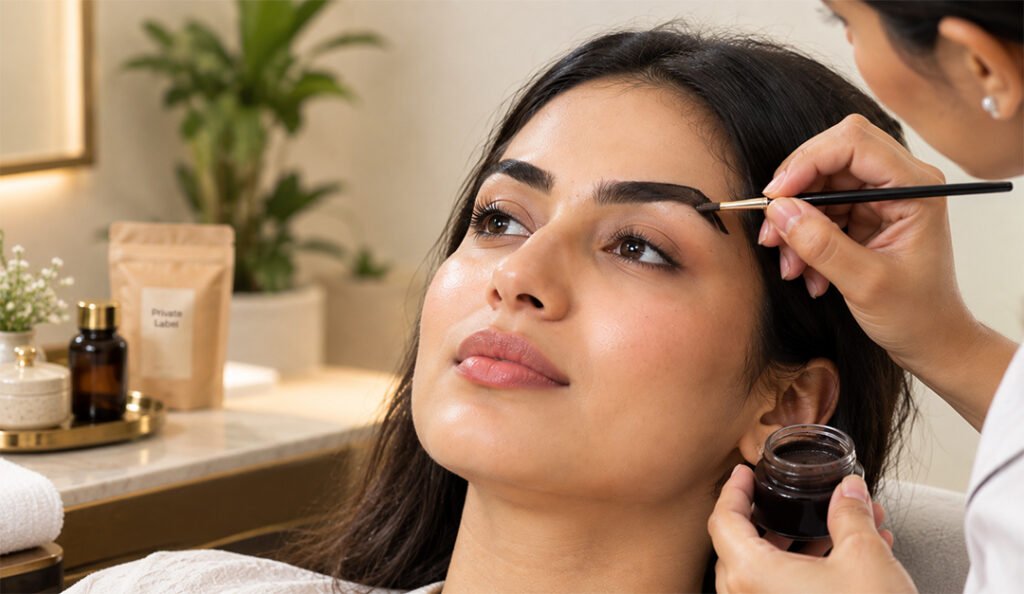
Henna brows, on the other hand, use a plant-based dye — the same henna used in henna hair color and henna body art — applied topically to both the brow hairs and the skin underneath. There’s no needle, no breaking of the skin, and no true “permanence.” Instead, henna tints the hair and lightly stains the top layer of skin, creating a similar full-brow illusion without any of the invasiveness.
That distinction — invasive vs. topical — is really the entire decision tree. Everything else (cost, healing time, how long it lasts, who it’s suitable for) flows from that one difference.
Comparing the Two, Category by Category
Longevity: Microblading typically lasts 12 to 18 months before it needs a touch-up, with the pigment gradually fading as skin cells turn over. Henna brows last considerably less time — the skin stain typically holds for 5 to 10 days, and the hair color itself can last 2 to 4 weeks. If you want a “set it and forget it” solution for over a year, microblading wins on pure longevity. If you want something you can adjust, experiment with, or aren’t ready to commit to long-term, henna is the more flexible option.
Pain and downtime: Microblading involves actual micro-cuts to the skin. Most people describe it as mildly uncomfortable to moderately painful, and there’s a real healing period — typically 7 to 14 days — during which brows can look darker, scab slightly, and need aftercare (no sweating, no water contact, no makeup on the area). Henna brows involve zero downtime. You walk out of the appointment with your finished look, no healing period required.
Cost over time Microblading has a higher upfront cost but a longer lifespan, so the annualized cost can actually work out comparable to henna if you’re tinting every few weeks. Henna brow sessions are typically far cheaper per visit — often $25 to $60 in the US — but need to be repeated more frequently to maintain the look.
Commitment and reversibility This is where a lot of people make their real decision. Microblading is genuinely semi-permanent — if your shape or color choice doesn’t age well, or brow trends shift (which they do, regularly), you’re living with it for over a year, or paying for correction work. Henna is fully reversible within a couple of weeks by design. If you don’t love it, it’s gone soon, and you can adjust shade or shape at your very next appointment.
Suitability for sensitive skin Because microblading breaks the skin, it carries risks around infection, scarring, and reactions that henna simply doesn’t. Henna, being a topical plant-based product, is generally the gentler option for people with sensitive skin — although a patch test is still smart practice, since allergic reactions, while rarer, aren’t impossible with any dye product.
So, Which One Is Actually “Better”?
Honestly — it depends entirely on what you’re optimizing for.
If you want the lowest-maintenance option and you’re confident in a specific brow shape you’re happy to commit to for over a year, microblading is the stronger choice. If you’d rather ease into fuller brows, want the flexibility to change things up seasonally, prefer to avoid anything that breaks the skin, or you’re simply not ready to commit to a semi-permanent procedure, henna brows are very likely the better fit — and they’ve become genuinely popular in the US specifically for that reason. A lot of people treat henna as the “trial run” before considering microblading, and plenty of them decide they never need to make that jump at all.
How Long Should You Let Henna Sit on Your Eyebrows?
This is the part most people get wrong, and it genuinely changes your results.
Development time for henna brows typically falls between 20 and 30 minutes, though this can vary slightly depending on the specific formula and how dark a stain you’re going for.
Here’s roughly how it breaks down:
- 10–15 minutes: A lighter, more subtle tint — good for people who want a soft enhancement rather than a dramatic difference.
- 20–25 minutes: The standard range most professional henna brow treatments use for a natural, fuller-looking result.
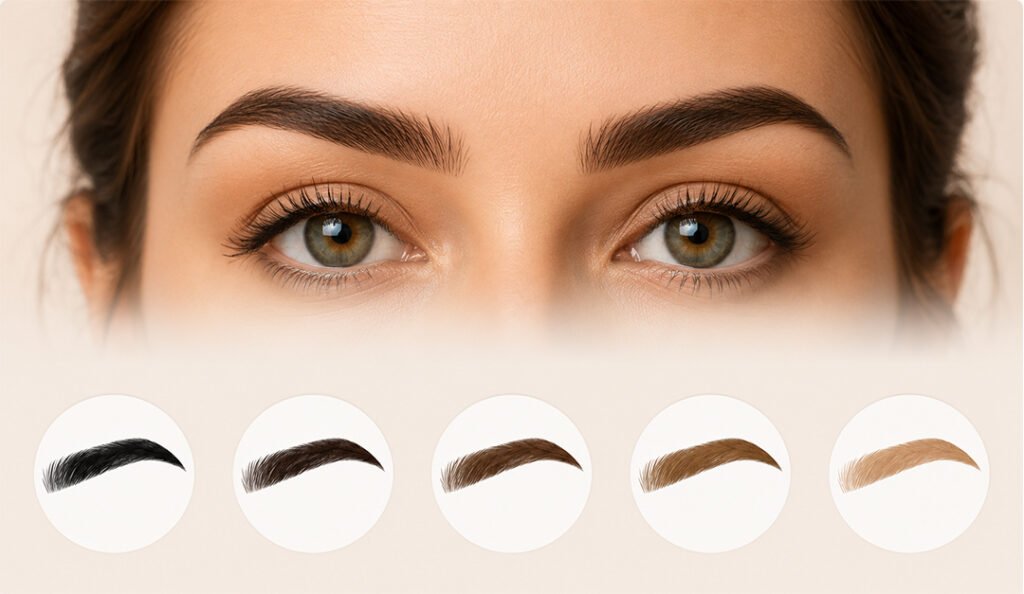
- 25–30+ minutes: A deeper, more dramatic stain — often chosen by people wanting maximum fullness or a bolder defined brow shape.
A few things worth knowing about timing:
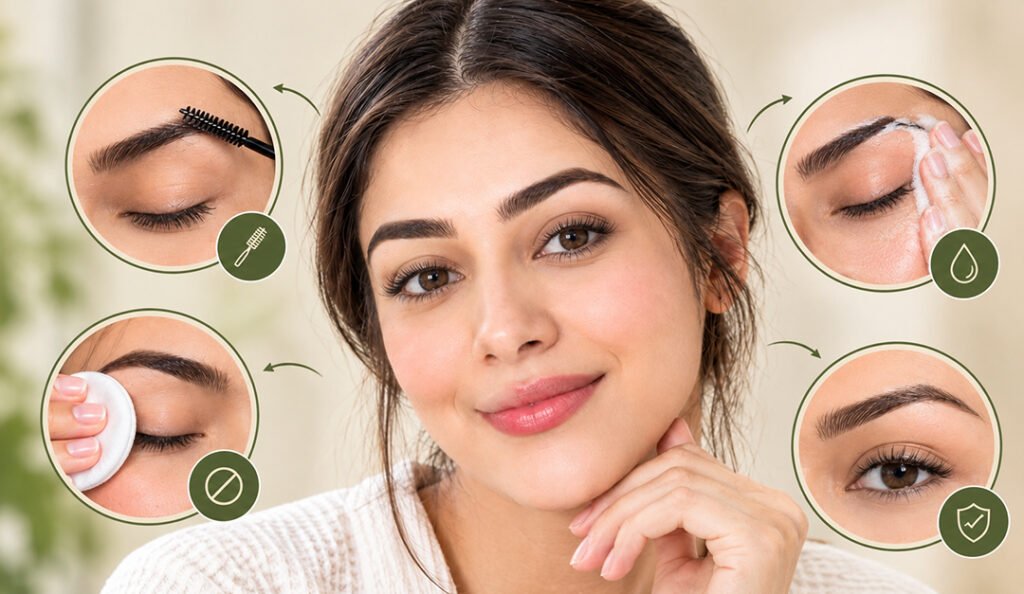
- The skin stain will look darkest immediately after removal and will noticeably lighten over the first 24–48 hours as it oxidizes and settles into its true tone. Don’t panic if it looks intense on day one — this is completely normal and expected.
- Under-processing (removing henna too early) usually results in a stain that fades within just a couple of days instead of the expected week-plus.
- Over-processing rarely causes harm, but it can leave the initial stain darker than intended, which matters if you have an event the next day and were hoping for something more subtle.
- If you’re doing this at home with a kit, always follow the specific product’s instructions rather than a general rule of thumb — different henna tint kits use slightly different formulations, and development time can vary by a few minutes between brands.
What to Look for in an Eyebrow Tint Kit
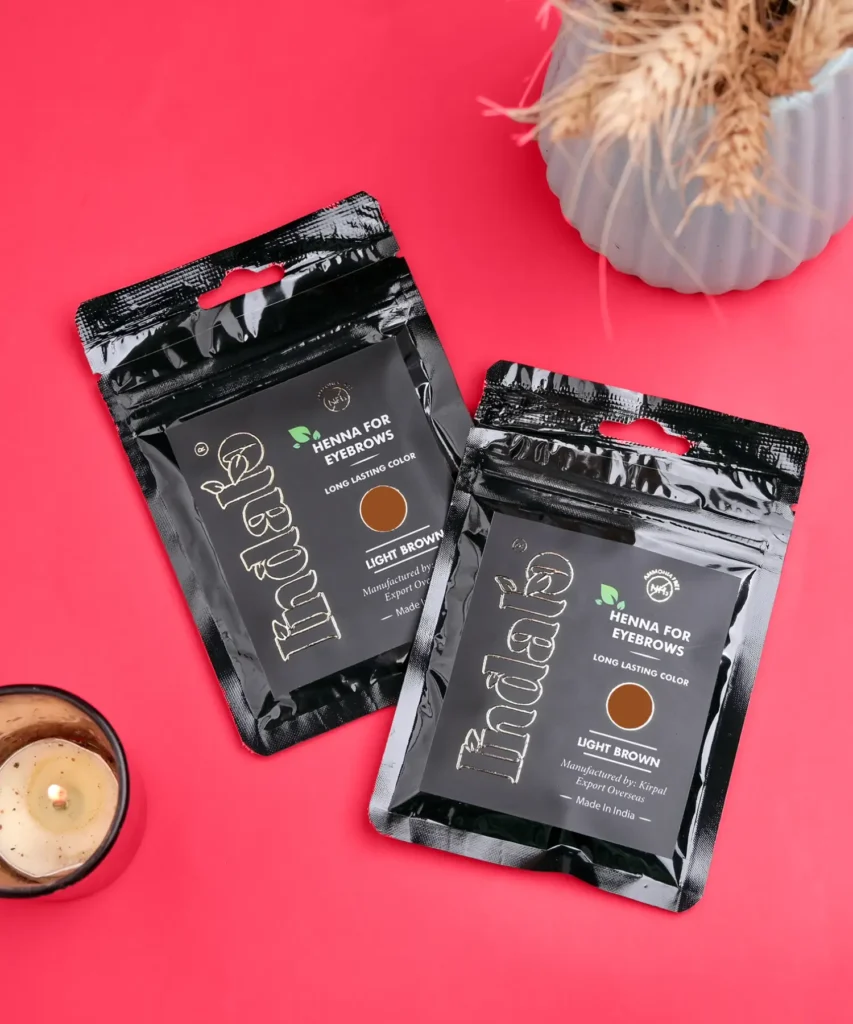
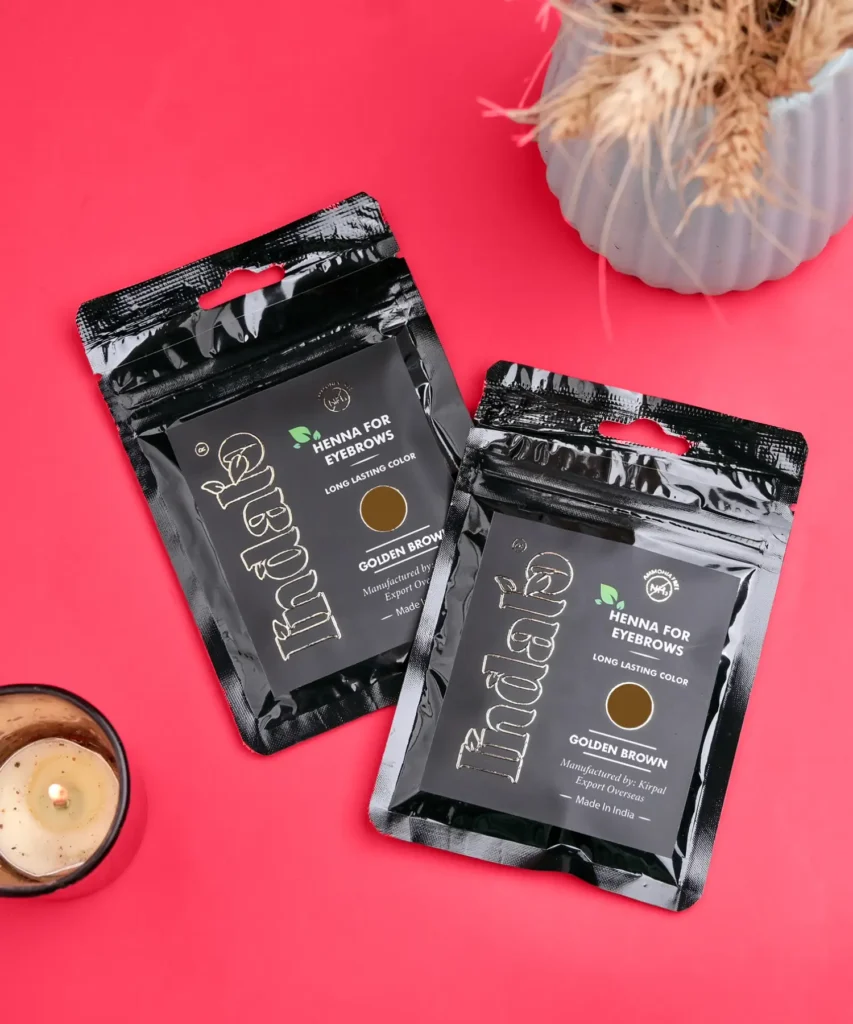
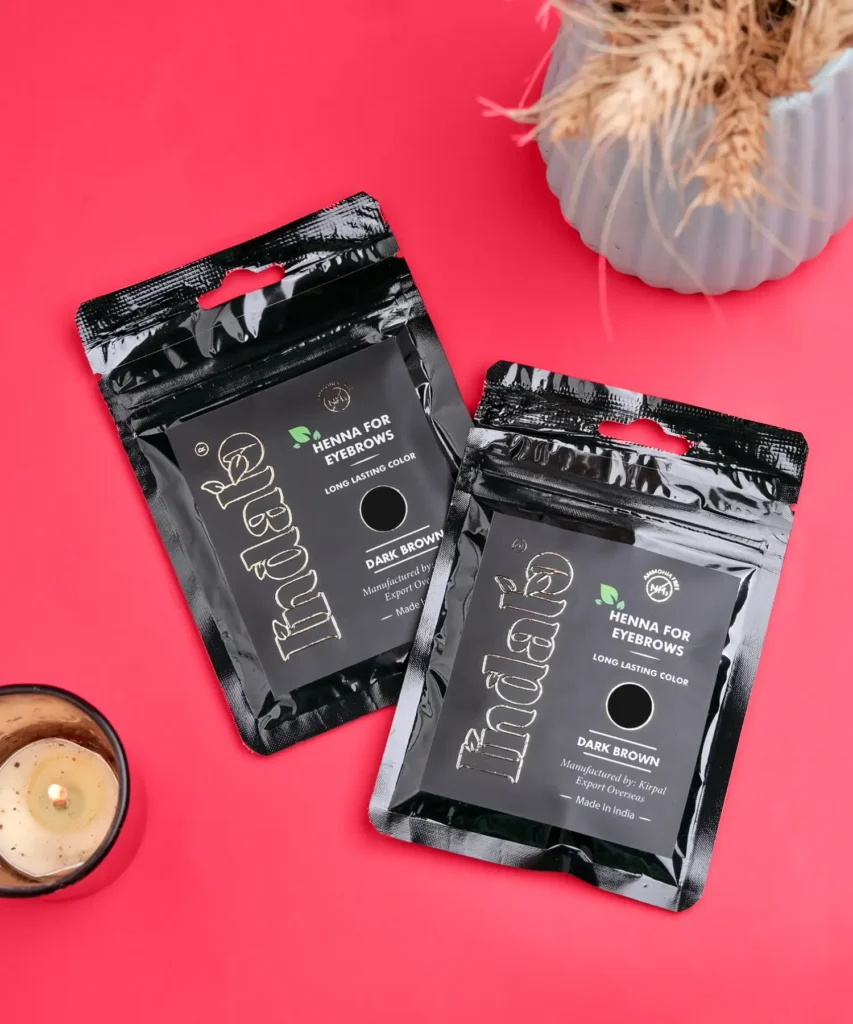
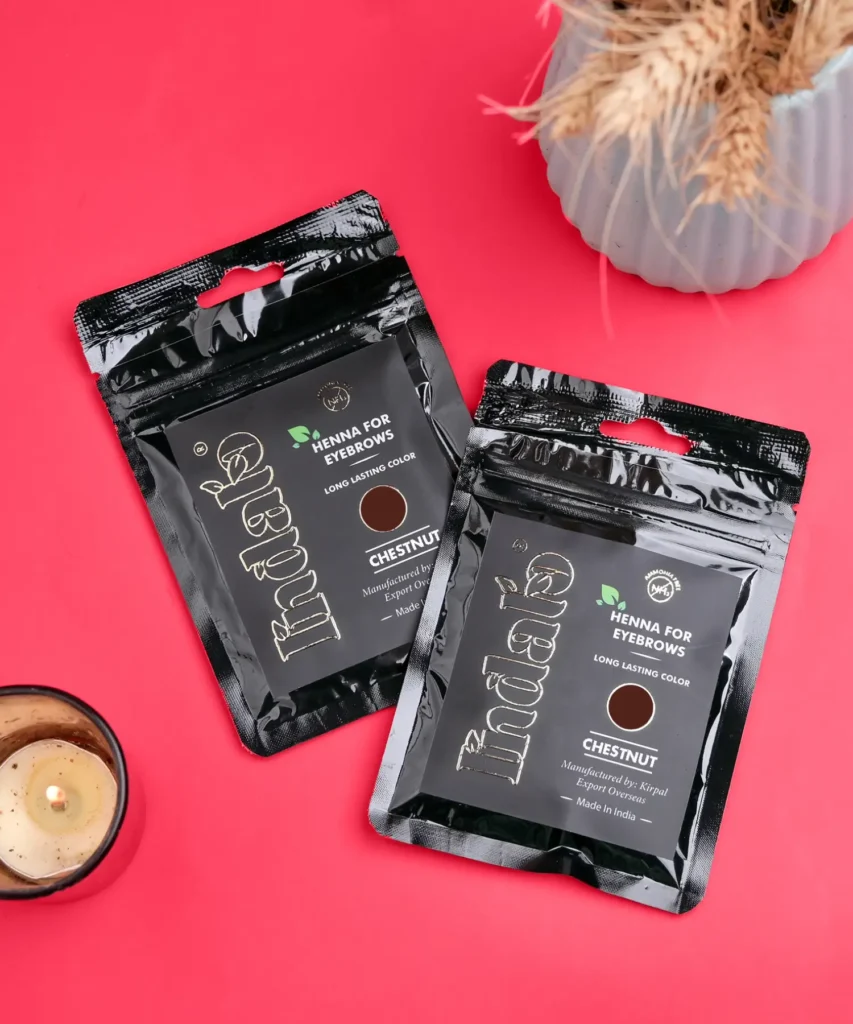
If you’re leaning toward henna brows and want to try it yourself rather than booking a salon appointment, the quality of the eyebrow tint kit you choose makes a real difference in how the results turn out. A few things worth checking before you buy:
- Plant-based, henna formula — confirm it’s genuinely henna-based rather than a synthetic dye marketed loosely as “tint.”
- No added PPD or synthetic blackening agents — some cheaper kits add these to speed up color development or intensify darkness, which defeats the purpose if you’re choosing henna specifically for its gentler profile.
- Clear development-time instructions — a well-formulated kit will give you a specific time range rather than a vague “leave on until desired color.”
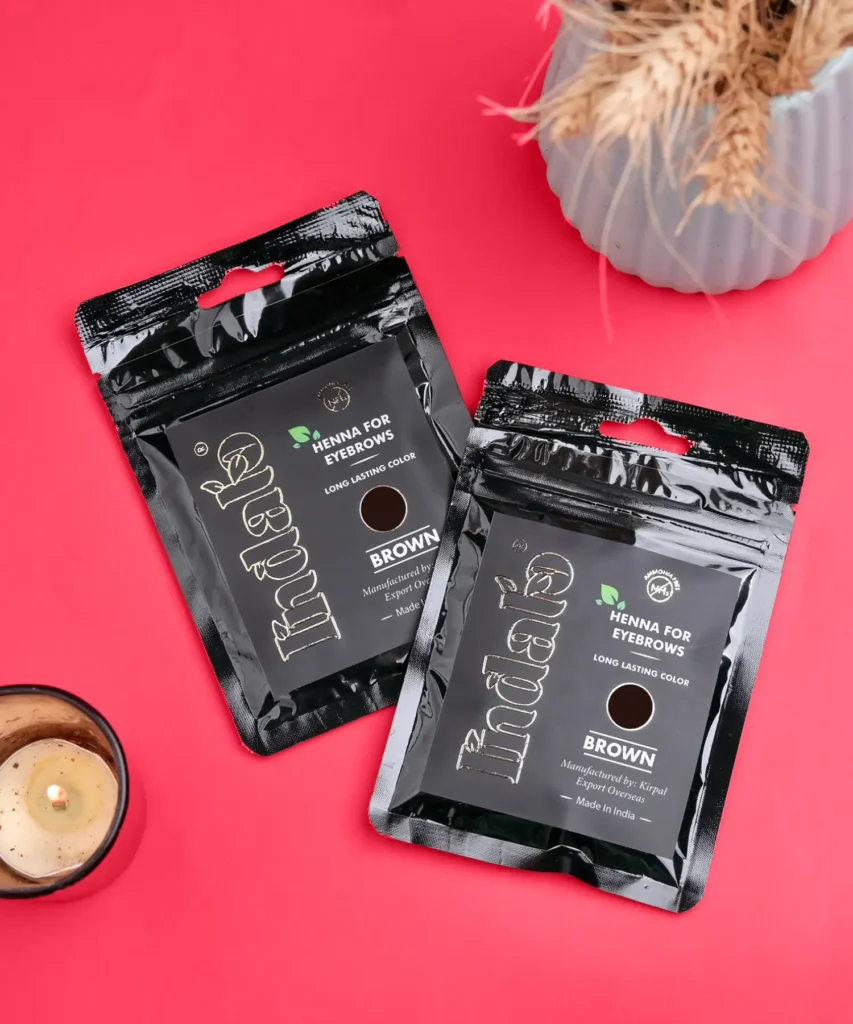
- Consistent, reputable sourcing — this is where knowing the manufacturer behind the kit actually matters, not just the brand name on the box.
A Manufacturer Worth Knowing: Kirpal Export Overseas
This last point is where sourcing quality really comes into focus. Kirpal Export Overseas (KEO) is an established henna powder and herbal hair color manufacturer and exporter, based in Sojat, Rajasthan — a region recognized specifically for producing high-quality henna, thanks to soil and climate conditions refined over generations of cultivation there.
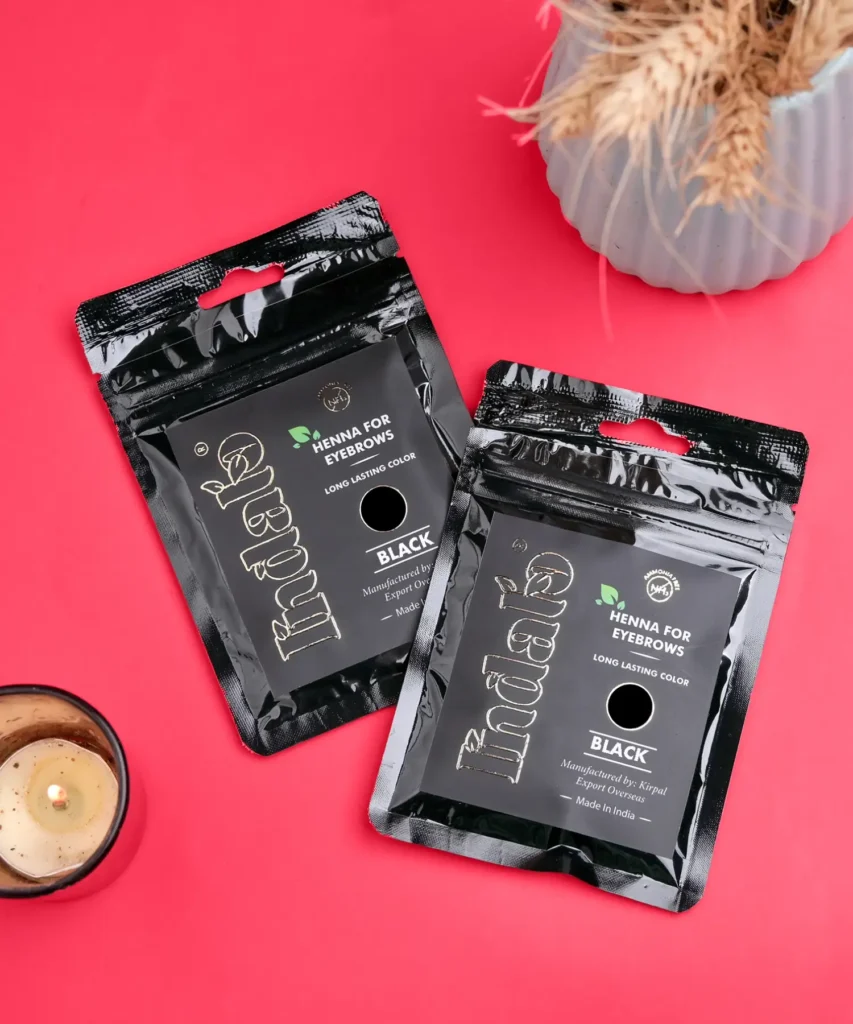
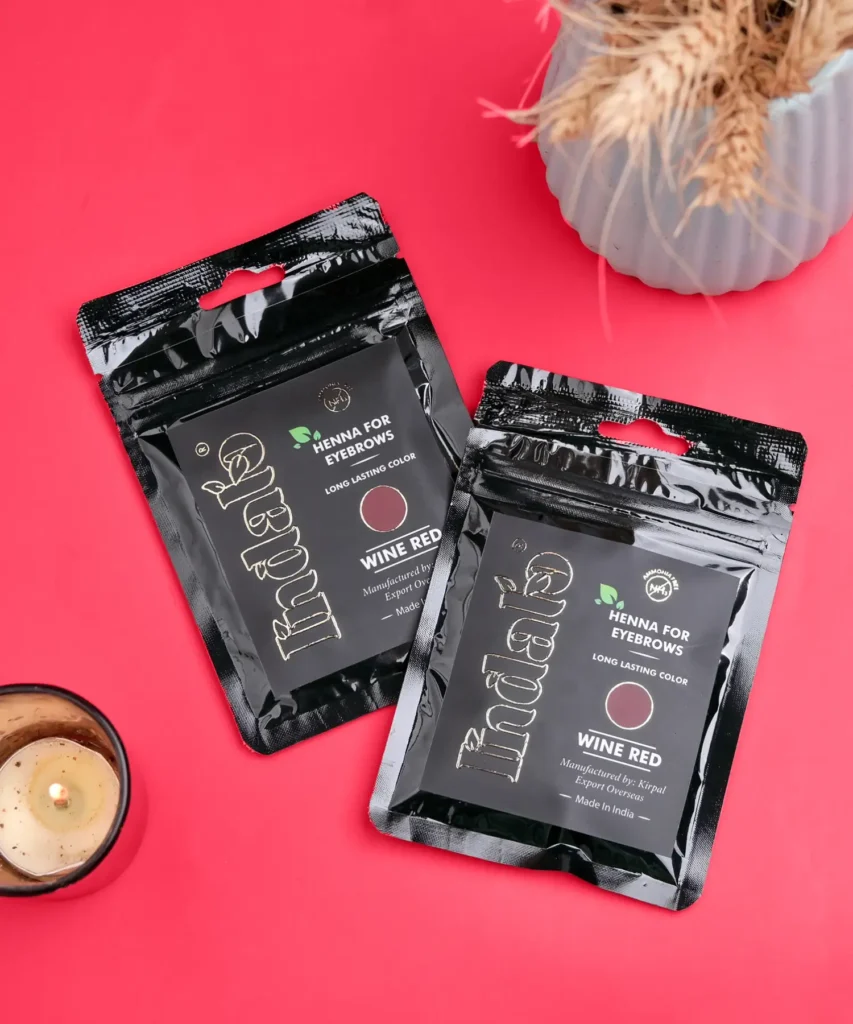
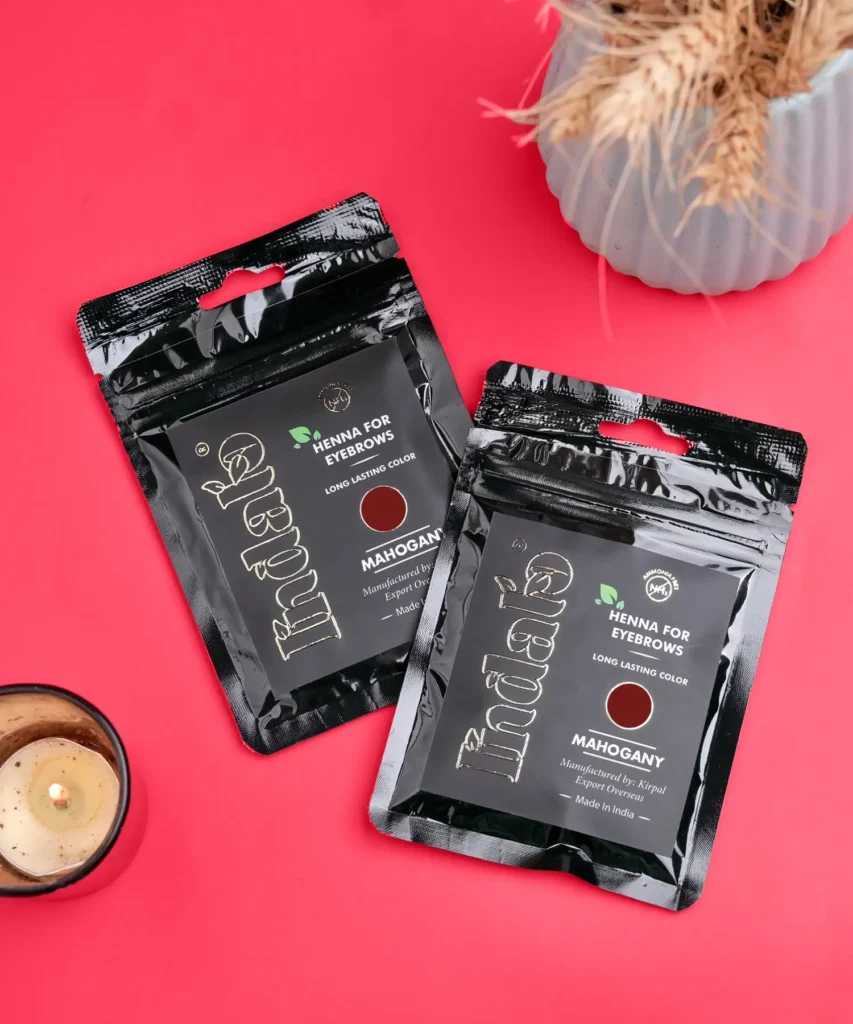
As an eyebrow tint manufacturer and exporter, KEO works with the raw henna supply chain directly out of Sojat, rather than relying on aggregated, mixed-origin batches. For brands building their own eyebrow tint kit, or for distributors sourcing henna-based brow products for the US market, that kind of origin control matters — it’s a meaningful part of what determines whether a kit stains evenly, develops predictably, and performs the same way from one batch to the next.
If you’re evaluating eyebrow tint manufacturers for a private label kit or wholesale henna brow product, this combination of direct sourcing and export experience is worth putting on your shortlist.
The Bottom Line
Henna brows and microblading aren’t really rivals — they’re two different tools for two different goals. Microblading is the long-term, higher-commitment, needle-based route. Henna brows are the low-commitment, fully reversible, plant-based alternative that’s gentler on skin and easy to adjust as your preferences change. For development time, aim for 20–30 minutes depending on how dramatic you want the stain, and remember the color always looks darkest right after removal before settling into its true shade over the following day or two. And if you’re shopping for an eyebrow tint kit to try this at home, the sourcing behind the henna — not just the packaging — is what will actually determine your results.
FAQs
Are henna brows better than microblading? It depends on your priorities. Microblading lasts longer (12–18 months) but is a semi-permanent tattooing procedure with downtime and higher cost. Henna brows are fully topical, require zero healing time, and are ideal if you want a lower-commitment, easily adjustable option.
How long do you leave henna on your eyebrows? Most henna brow treatments develop for 20 to 30 minutes, depending on how dark and dramatic a stain you want. Lighter results take closer to 10–15 minutes, while a bolder stain can take 25–30 minutes or more.
Does henna brow tint hurt? No. Unlike microblading, henna brow tinting is a topical process with no needles, no breaking of the skin, and no pain or downtime involved.
How long does henna brow tint last? The skin stain typically lasts 5–10 days, while the color on the brow hairs themselves can last 2–4 weeks before fading.
What should I look for in an eyebrow tint kit? Look for a genuinely plant-based henna formula, no added PPD or synthetic blackening agents, clear development-time instructions, and a kit sourced from a reputable, transparent manufacturer.