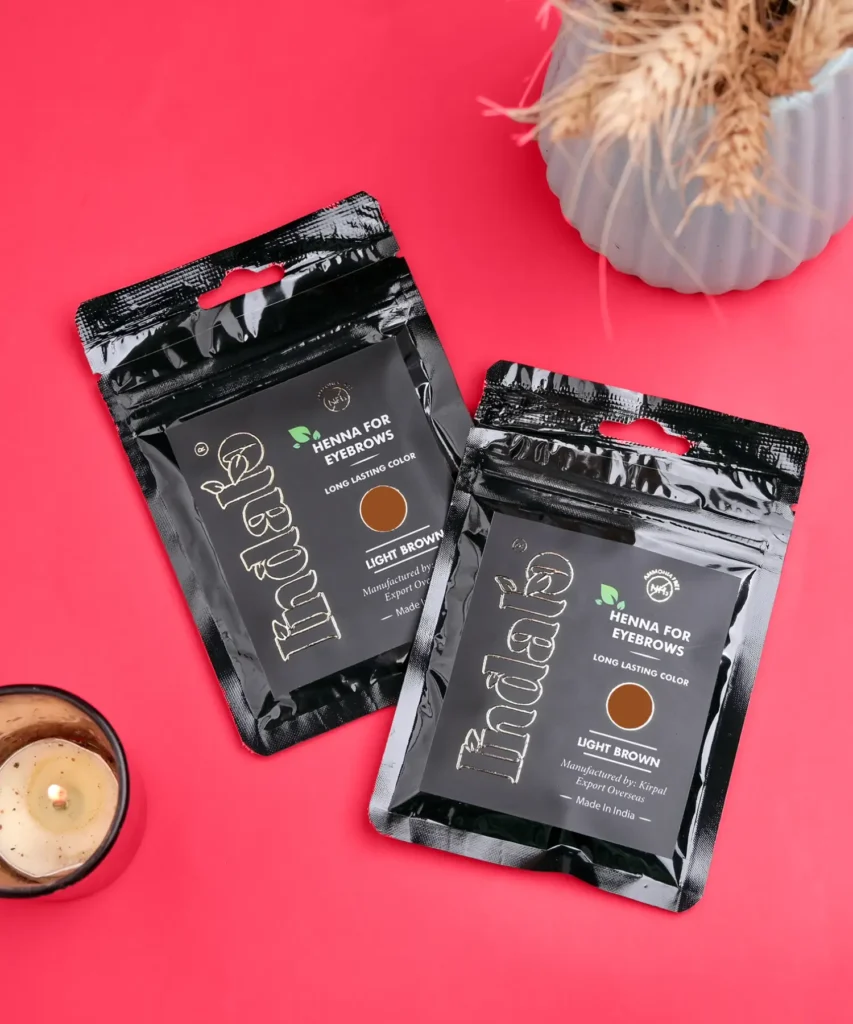
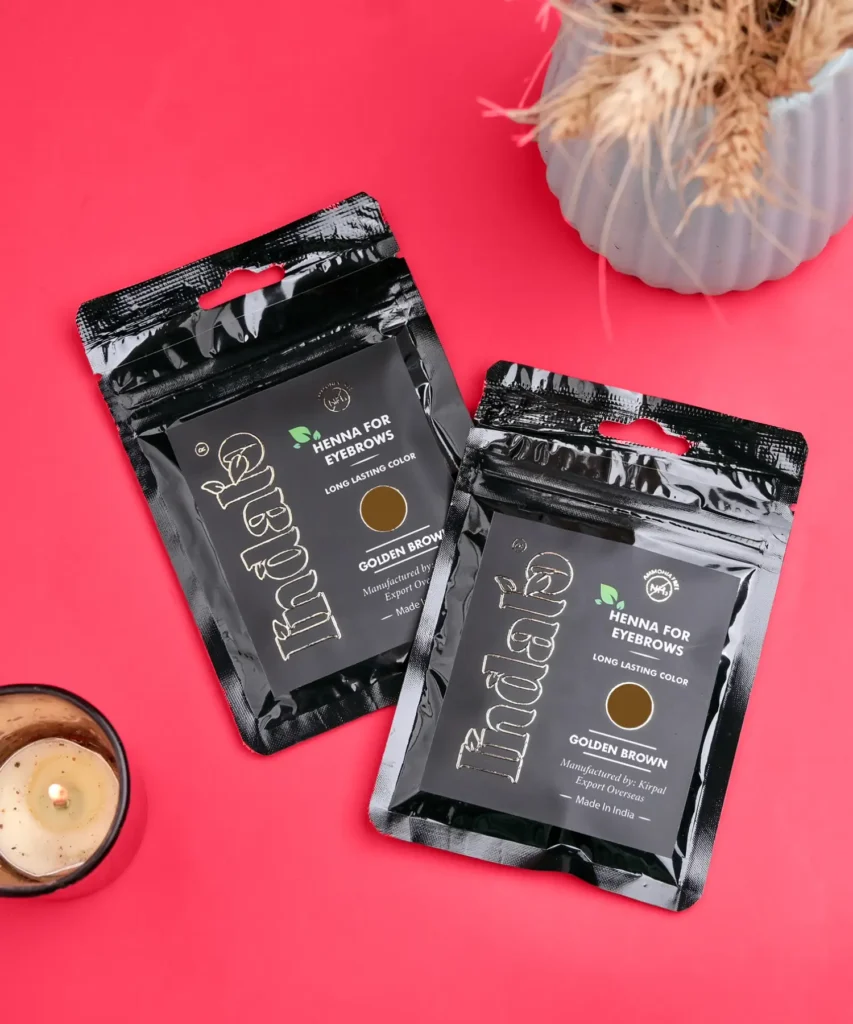
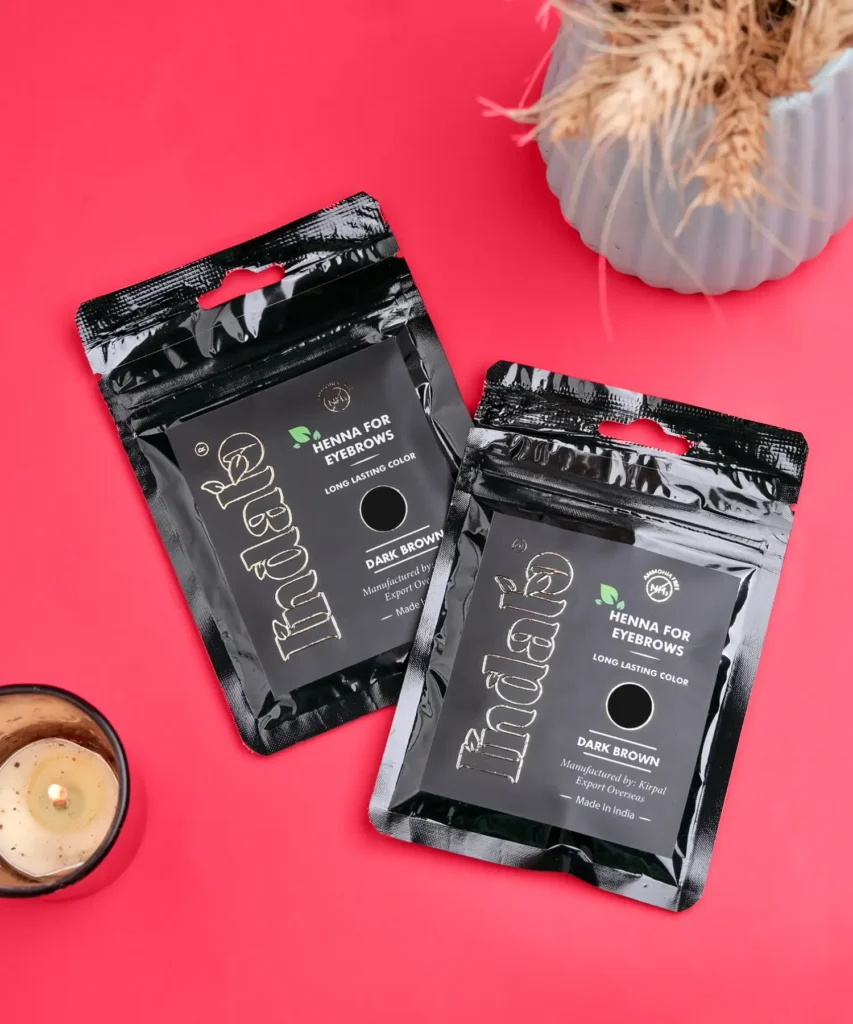
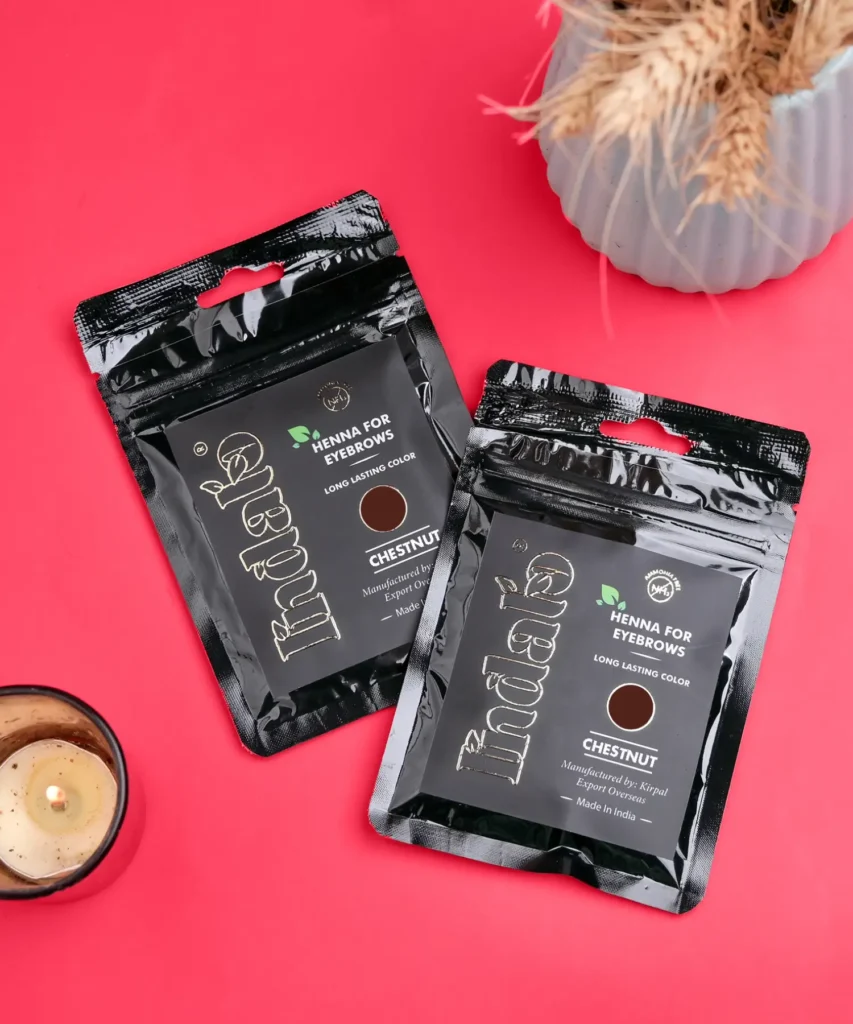
If you’ve ever sat in a brow salon chair and heard your technician mention “henna” versus “tint,” you probably nodded along like you totally knew what they meant. No judgment; we’ve all been there. But honestly, these two treatments are very different, and picking the wrong one could mean weeks of brows that just don’t do what you wanted.
I’ve spent a lot of time looking into both options, talking to brow artists, and researching what actually works for different brow types. So let me break it down for you in plain English, no fluff, no confusing beauty jargon.
What Even Is Chemical Eyebrow Tint?
The Basic Idea Behind It
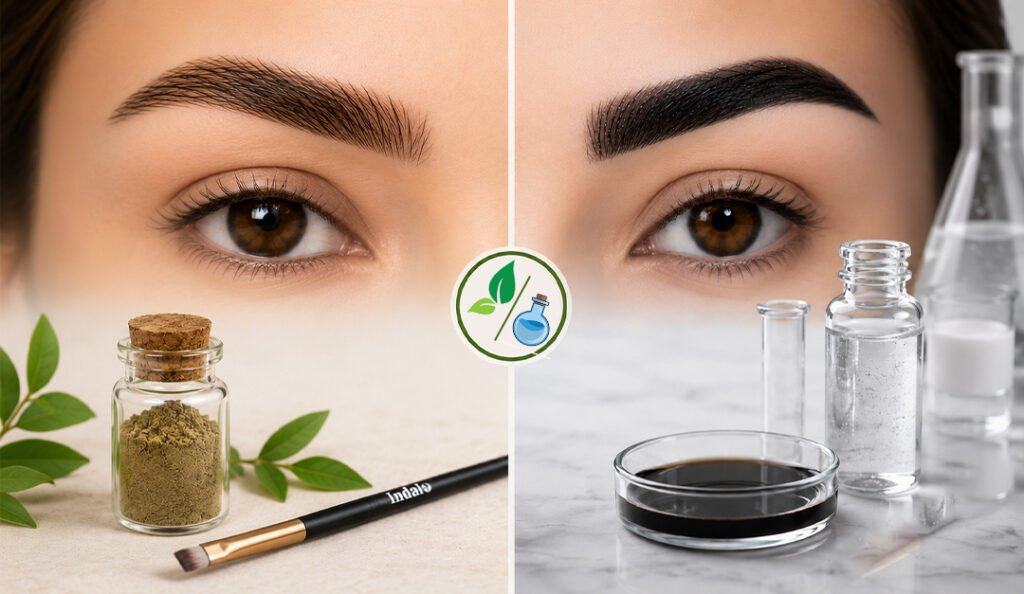
Chemical eyebrow tint is the one most salons have been offering for years. It uses a synthetic dye, similar in many ways to regular hair color, to darken your brow hairs.
Eyebrow tint. The dye contains oxidizing agents like hydrogen peroxide that open up the hair cuticle and push color into the hair shaft.
It works. It’s quick. And for a lot of people, it gets the job done. Your brow hairs come out darker and more noticeable, and you skip the pencil for a few weeks. Simple enough.
But Here’s the Problem:
Chemical tint only works on the hair itself. It doesn’t touch the skin underneath. So if you’ve got gaps in your brows, areas where hair never grew back after years of over-plucking, or just naturally sparse brows, chemical tint doesn’t fix any of that. You’re still going to reach for your brow pencil every morning.
And over time, repeated use of chemical dye on such a delicate area can start to dry out and weaken those brow hairs. The same chemicals that deposit color can also make fine hairs more brittle. Not ideal when you’re already trying to protect what you’ve got.
So What Is Eyebrow Henna Tint?
Where It Comes From
Henna has been used for thousands of years. It comes from the Lawsonia inermis plant, and cultures across South Asia, the Middle East, and North Africa have been using it for body art, hair treatment, and skincare rituals long before it ever showed up in a beauty salon menu.
The active coloring compound in henna is called “lawsone.” This molecule has a natural ability to bond with keratin, which is the protein that makes up both your skin and your hair. That’s the key to everything that makes henna tint different.
What It Actually Does to Your Brows
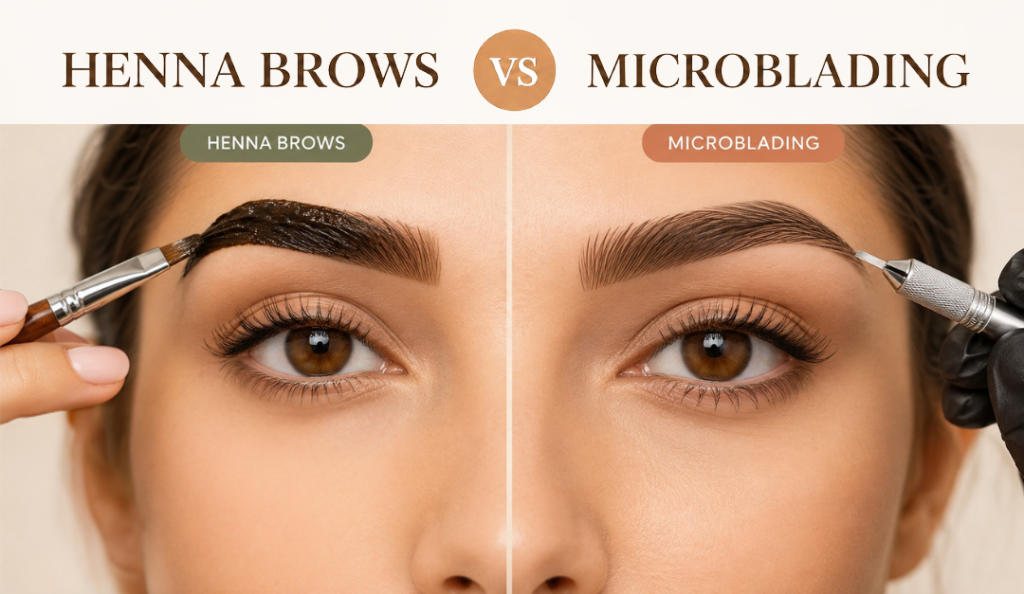
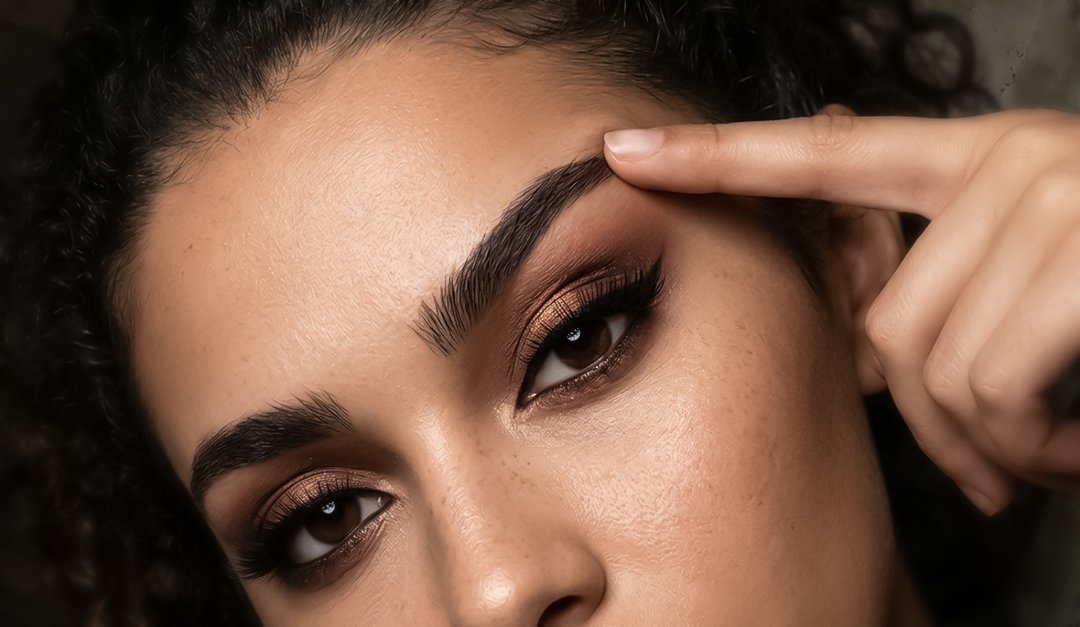
When henna tint is applied to your brows, it doesn’t just sit on the hair surface or chemically alter the hair shaft. It binds to the skin underneath as well. So you get two things happening at once: your brow hairs get colored, and the skin beneath your brows gets a soft, shadow-like stain that fills in the shape of your brow.
That skin stain is genuinely the game-changer here. It’s what gives you that “I woke up like this” brow look, even in areas where you don’t actually have much hair. For anyone dealing with patchy brows, thinning from stress, post-pregnancy hair loss, or just genetics, that skin tint can honestly be transformative.
Eyebrow Henna Tint vs. Chemical Tint: The Real Differences
How Long the Color Actually Last
Chemical brow tint typically lasts two to four weeks on the hair before it fades noticeably. On the skin? Barely anything. You might see a faint shadow for a few days at most.
Eyebrow henna tint lasts four to six weeks on the hair, and the skin stain usually holds for one to two weeks, sometimes longer depending on your skin type and how oily your skin tends to be. That’s a meaningful difference when you’re trying to reduce your daily makeup routine.
What It Does to the Hair Itself
Chemical dye opens the hair cuticle with oxidizing agents. Do that repeatedly and you’ll start noticing your brow hairs feel drier or more fragile than they used to. It’s a small thing at first, but it adds up.
Henna actually works the other way. It’s known to strengthen the hair shaft over time rather than weaken it. Many people notice their brow hairs feel thicker and look healthier after regular henna treatments. That’s a bonus nobody talks about enough.
Skin Safety
The brow area is close to your eyes, and the skin there can be pretty sensitive. Chemical tints carry a real risk of irritation, redness, and allergic reactions, especially if you have sensitive skin. PPD (paraphenylenediamine) is a common ingredient in chemical dyes that’s known to trigger allergic reactions in some people.
High-quality eyebrow henna tint products are PPD-free and formulated without the harsh chemicals found in synthetic dyes. Henna has a centuries-long track record of being gentle on skin when used in its natural, pure form. That doesn’t mean no one is ever sensitive to henna, but the risk profile is significantly lower for most people.
Why Eyebrow Henna Tint Is Better for Full, Filled Brows
The Skin Stain Does the Heavy Lifting
Here’s the honest truth about chemical tint: if your brows are sparse, tint just gives you sparse but darker brows. It doesn’t fill anything in. The gaps are still there.
Henna tint fills those gaps at the skin level. The stain creates a soft, powdery background that mimics the look of filled-in brows without any makeup. If you shape the henna application well, the result looks like you drew your brows on with a really good brow powder and then forgot you did it.
It Actually Replaces Makeup
This is the part that people don’t fully believe until they try it. After a good henna brow treatment, a lot of people genuinely stop using brow products every day. Their brows look full, defined, and natural without anything on them.
That’s not something a chemical tint can give you. And it’s certainly not something any amount of brow pencil can replicate, because pencil always looks like pencil up close. Henna on the skin just looks like skin with naturally great brows.
It Fades the Right Way
Chemical tint tends to fade abruptly. One week, your brows look great, and then they seem to disappear almost overnight as the dye oxidizes and breaks down.
Henna fades gradually and gracefully. The color softens slowly over weeks rather than vanishing suddenly, so you always have a transition period that still looks intentional. Your brows never go from great to nothing in the span of a few days.
Why You Should Think Twice About Chemical Tint for Fuller Brows
It Can’t Fix What Isn’t There
This really is the core limitation. Chemical tint is a hair treatment. If you don’t have hair in certain spots, the tint doesn’t help those spots. You’re still relying entirely on makeup to fill in and shape your brows.
For someone with full, thick brows who just wants them a shade darker, a chemical tint is perfectly fine. But if your goal is fuller-looking brows with less daily effort, chemical tint isn’t going to get you there.
Repeated Use Takes a Toll
Using chemical dye on your brows every three to four weeks adds up. Over months and years, the repeated opening of the hair cuticle can leave brow hairs weaker, drier, and more prone to breakage. If your brows are already on the thinner side, that’s the last thing you need.
Sensitive Skin Reactions Are More Common Than People Realize
A lot of people don’t patch test chemical brow tint and then wonder why their brow area is red and itchy for days afterward. The chemicals involved, particularly hydrogen peroxide and certain dye compounds, are genuinely irritating for a significant portion of people with sensitive skin.
This doesn’t mean chemical tint is dangerous for everyone, but it does mean it’s worth being cautious, especially when you’re working that close to your eyes.
A Closer Look at Eyebrow Henna Tint
How the Treatment Actually Works
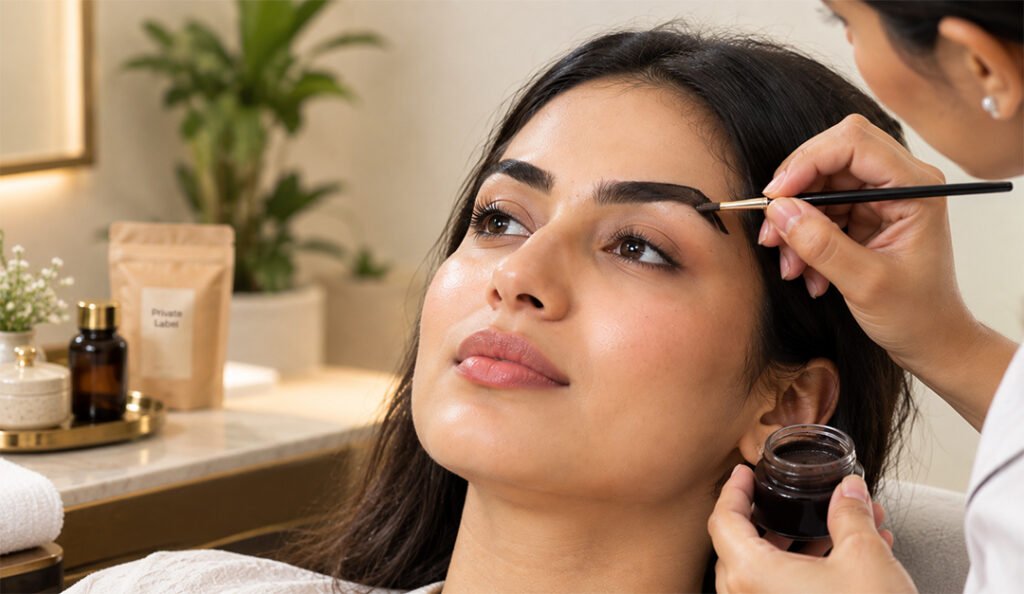
A professional eyebrow henna tint treatment starts with brow mapping and shaping. Your brow artist will define the shape you’re going for before applying anything. Then the henna paste, which is mixed from powder and a liquid activator, gets applied to the brow area in the desired shape.
Depending on the product and the depth of color you’re after, the henna sits on the skin and hair for anywhere from fifteen minutes to an hour. Then it gets removed to reveal stained skin and colored hair underneath.
The whole thing is painless. Most people find it relaxing, honestly.
The Color Range Is Wide
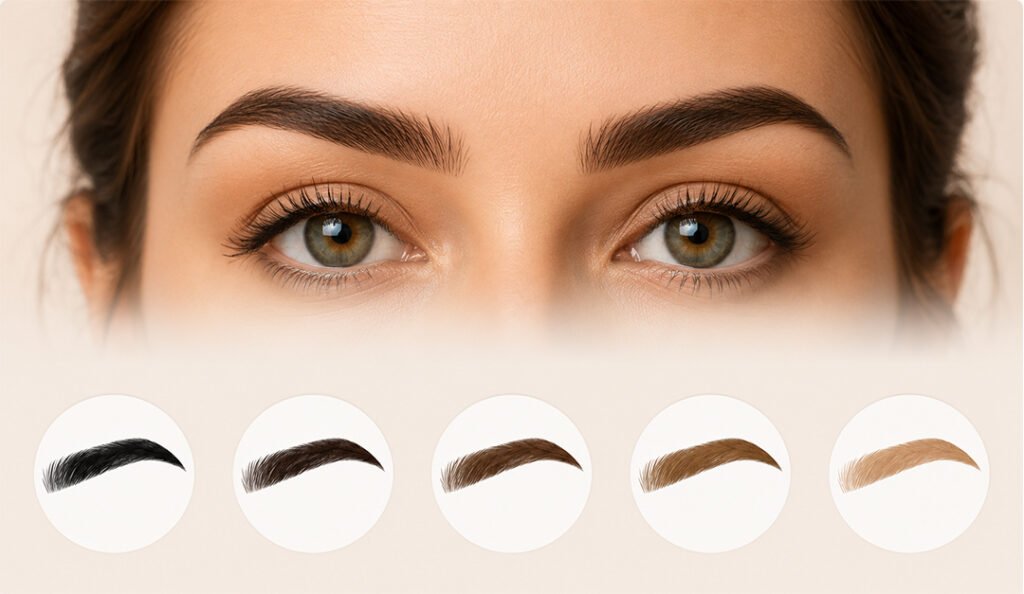
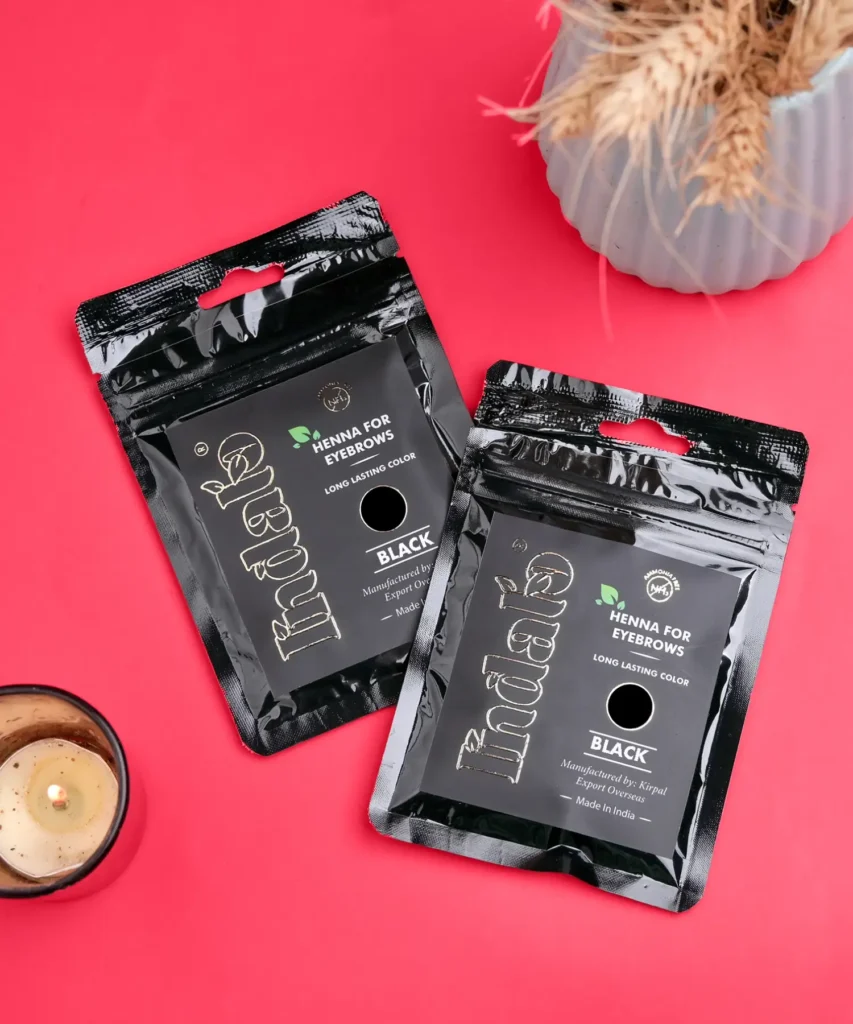
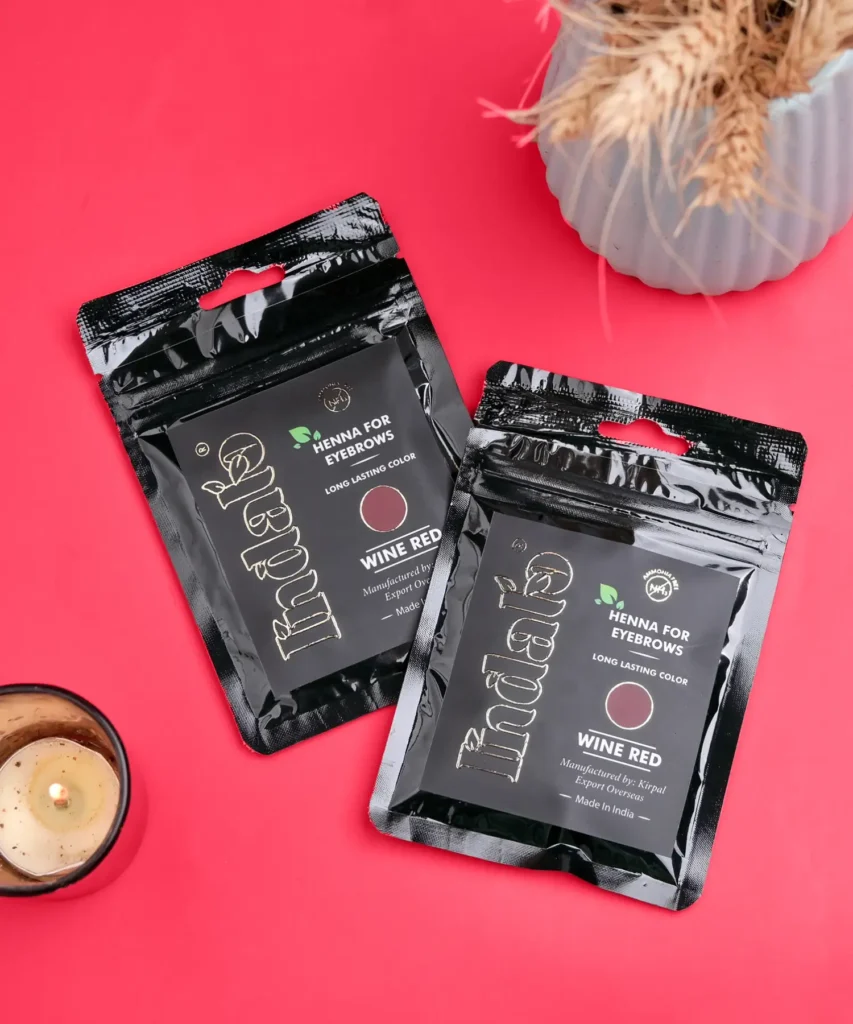
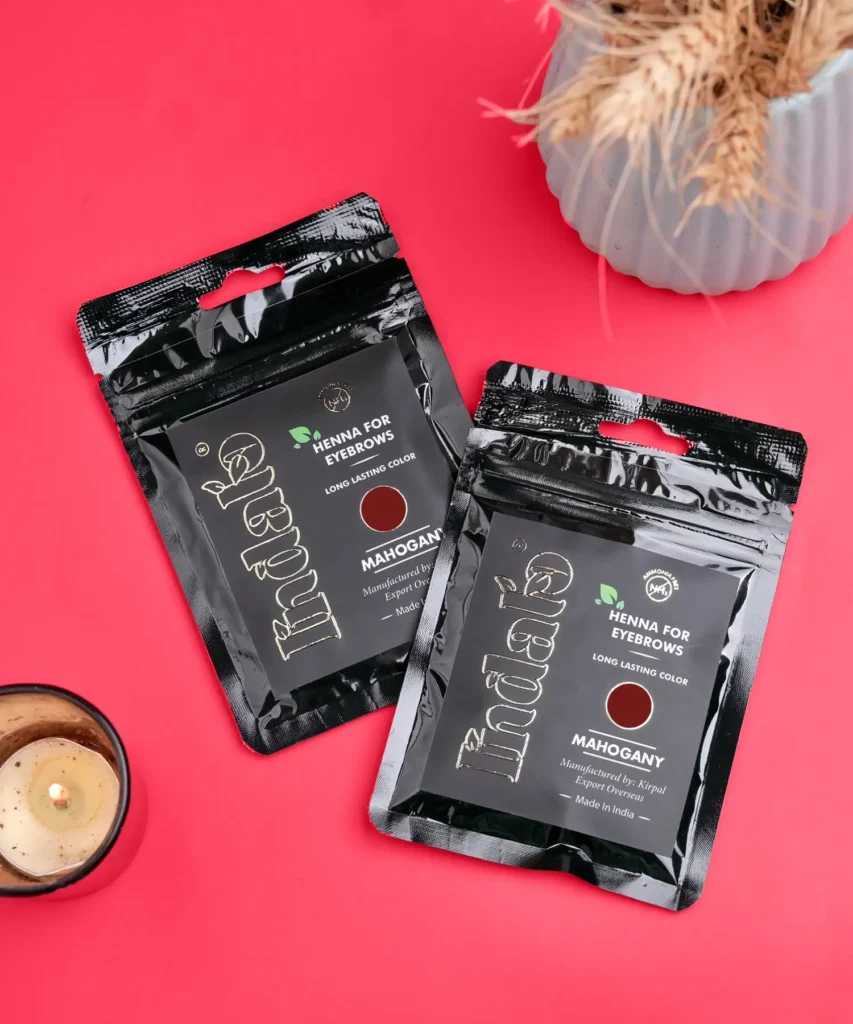
Good eyebrow henna tint isn’t just “brown” or “black.” Professional formulations come in a whole range of shades from soft ash blonde to warm auburn, chocolate brown, cool taupe, and deep black. A skilled brow artist can also mix shades to get exactly the right tone for your natural coloring and skin undertone.
Aftercare Is Easy
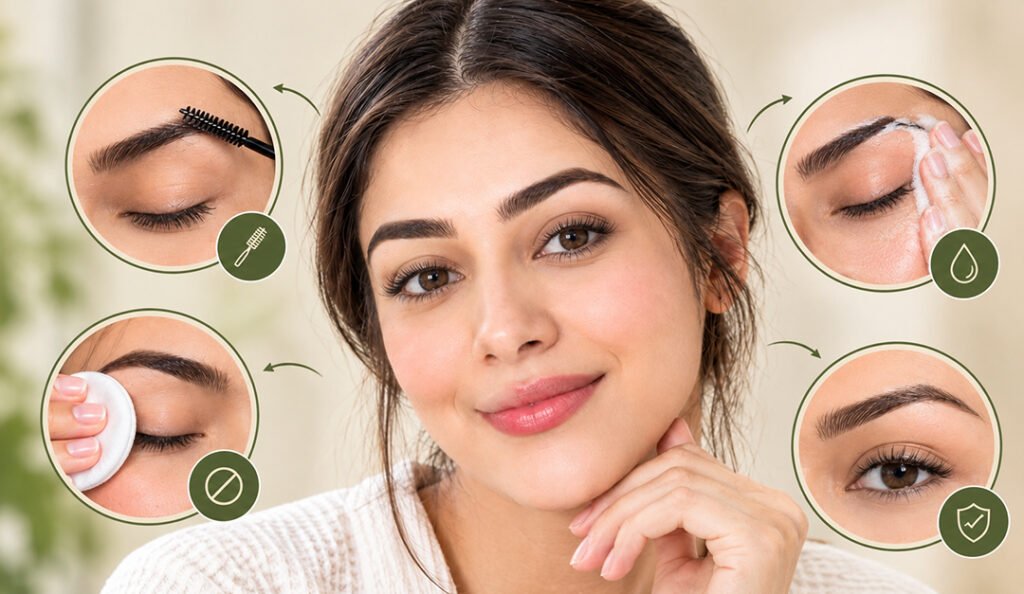
Keep your brows dry for the first twenty-four hours. Avoid oil-based products directly on the brow area. Try to limit direct sun exposure when you can. That’s genuinely it. No complicated routine, no special products required.
About Kirpal Export Overseas
Who They Are
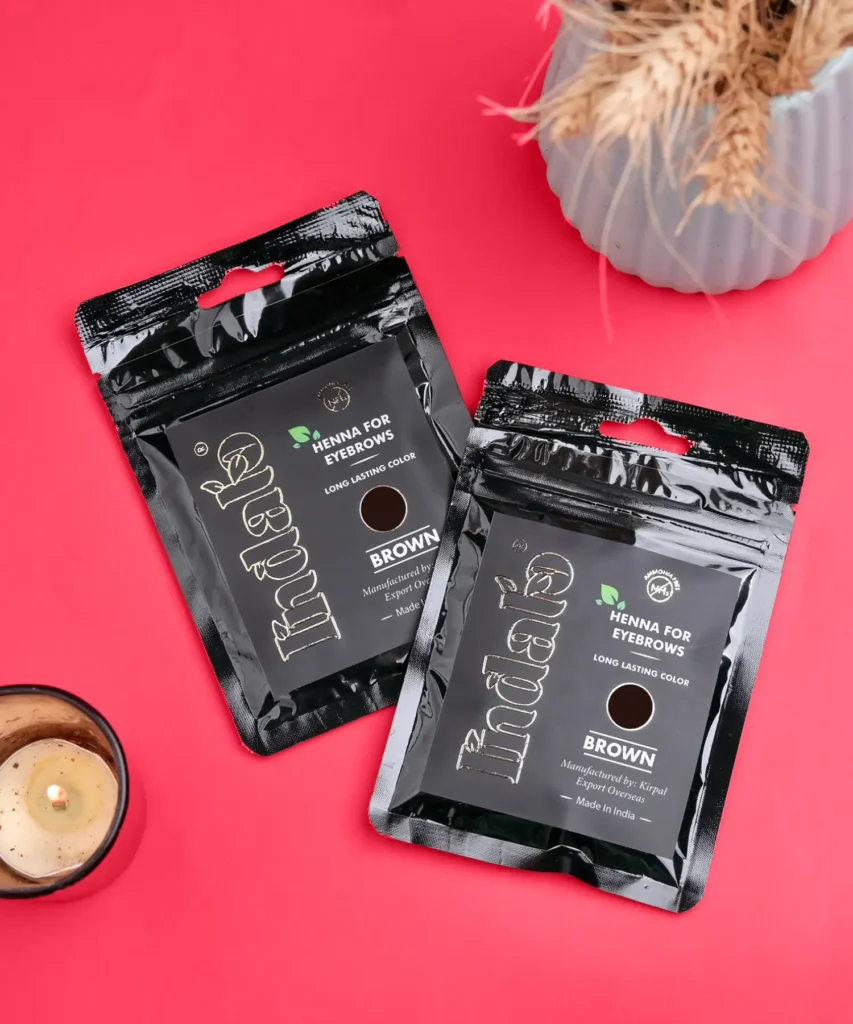
If you’re a beauty professional looking into eyebrow henna tint services, or if you’re curious about where quality henna actually comes from, Kirpal Export Overseas is a name worth knowing.
Based in Rajasthan, India, which has historically been one of the most important regions in the world for henna cultivation, Kirpal Export Overseas has built a strong reputation as a manufacturer and exporter of natural henna products. They work directly with cultivators in the region and have developed production processes that protect the quality and potency of the henna from plant to finished product.
Why Their Henna Stands Out
The thing that actually matters in henna quality is the lawsone content. That’s the active compound responsible for the depth and longevity of the color. Low-quality henna has low lawsone content and gives weak, uneven results. Kirpal Export Overseas focuses specifically on maintaining high lawsone content through careful processing.
Their products are free from PPD, heavy metals, and synthetic additives, which matters a lot in markets like Europe and North America, where safety standards for cosmetics are strict. They export to beauty brands, salon suppliers, and cosmetic manufacturers across multiple continents.
More Than Just a Supplier
What makes Kirpal Export Overseas interesting for growing beauty businesses is that they also offer private label and product customization options. So if you’re a salon owner or brand founder who wants to develop your own henna brow line, they can work with you on that rather than just selling you a generic product.
For beauty professionals who care about ingredient transparency and want to be confident in what they’re putting on their clients, having a supplier with that level of traceability and quality control behind them genuinely makes a difference.
The Bottom Line
Choosing between chemical brow tint and eyebrow henna tint really comes down to what you want your brows to actually do for you.
If you just want your existing brow hairs a bit darker and you’re happy to keep filling in with makeup every day, chemical tint is a quick and easy option. But if you want brows that look genuinely full and defined even without makeup, that fade slowly rather than disappearing overnight, and that are gentler on your skin and your hair over time, eyebrow henna tint is the smarter choice by a long stretch.
It’s not a new trend or a gimmick. It’s a treatment with thousands of years of history behind it that the modern beauty world is finally catching up to. And when it’s done well, with quality product from a trusted source like Kirpal Export Overseas, the results speak for themselves.
To purchase Eyebrow henna to go visit: Eyebrow henna tint Product by Kirpal in the USA & Global and To purschase Bulk order to Get Mail & Calls : keohenna@gmail.com/98103 06077