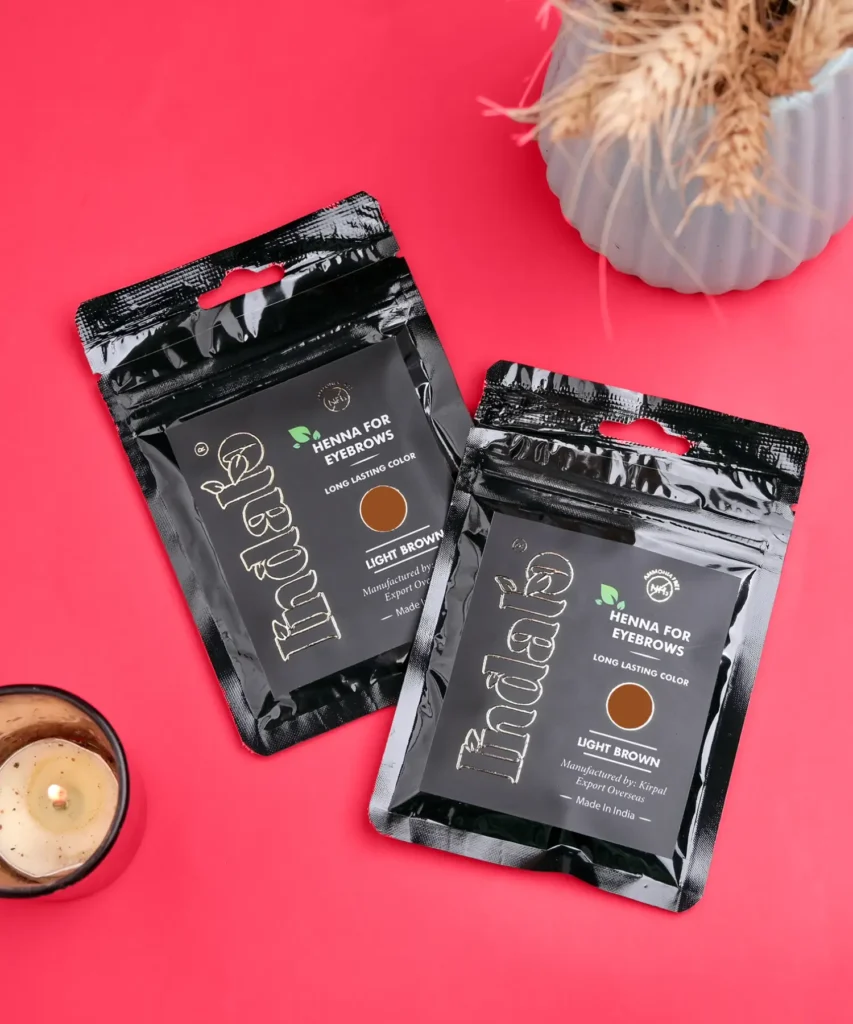
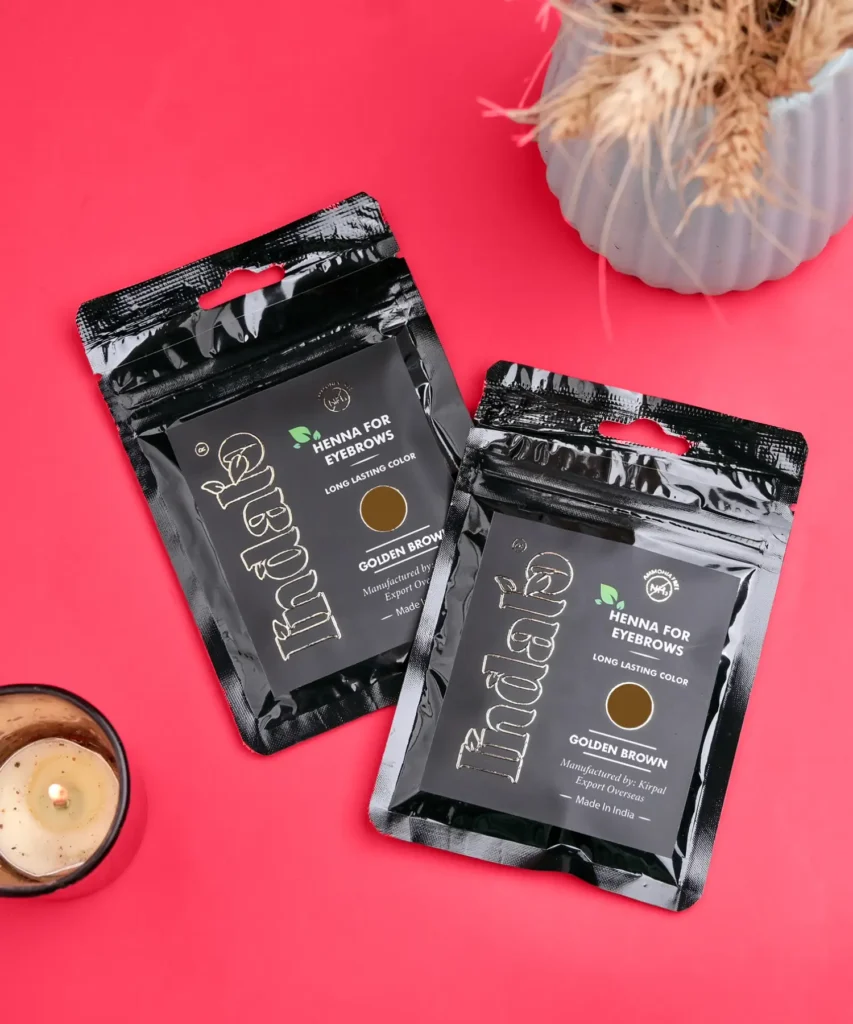
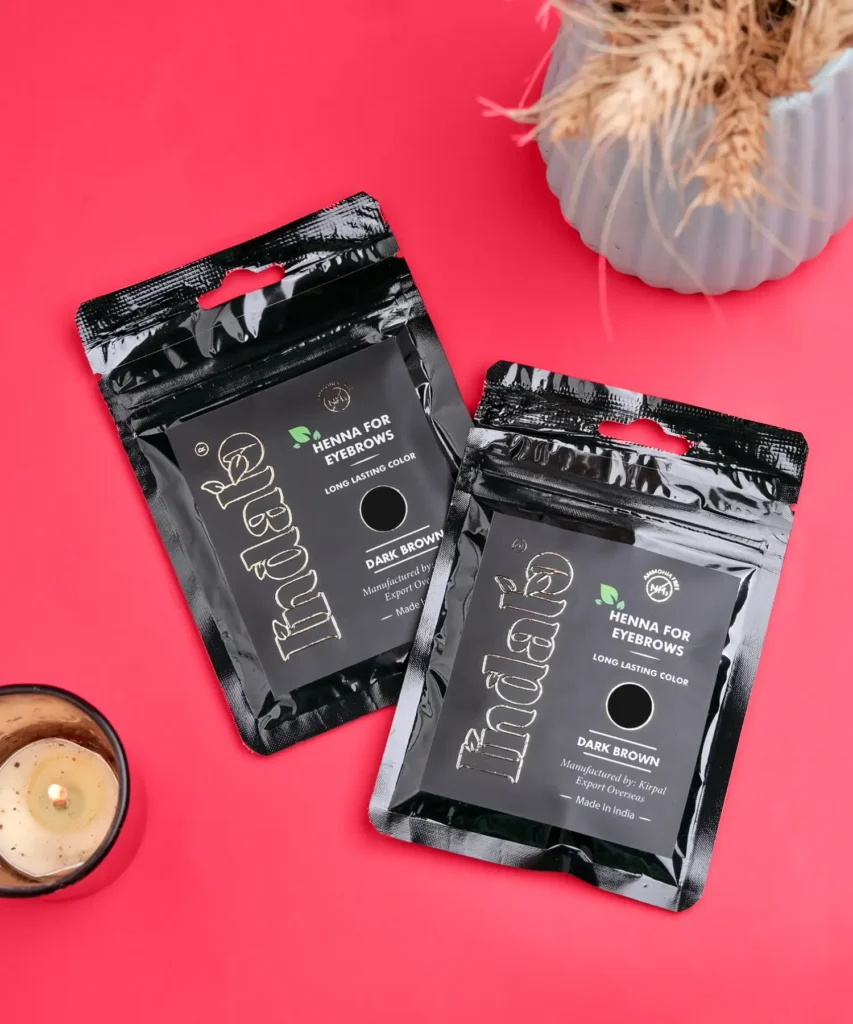
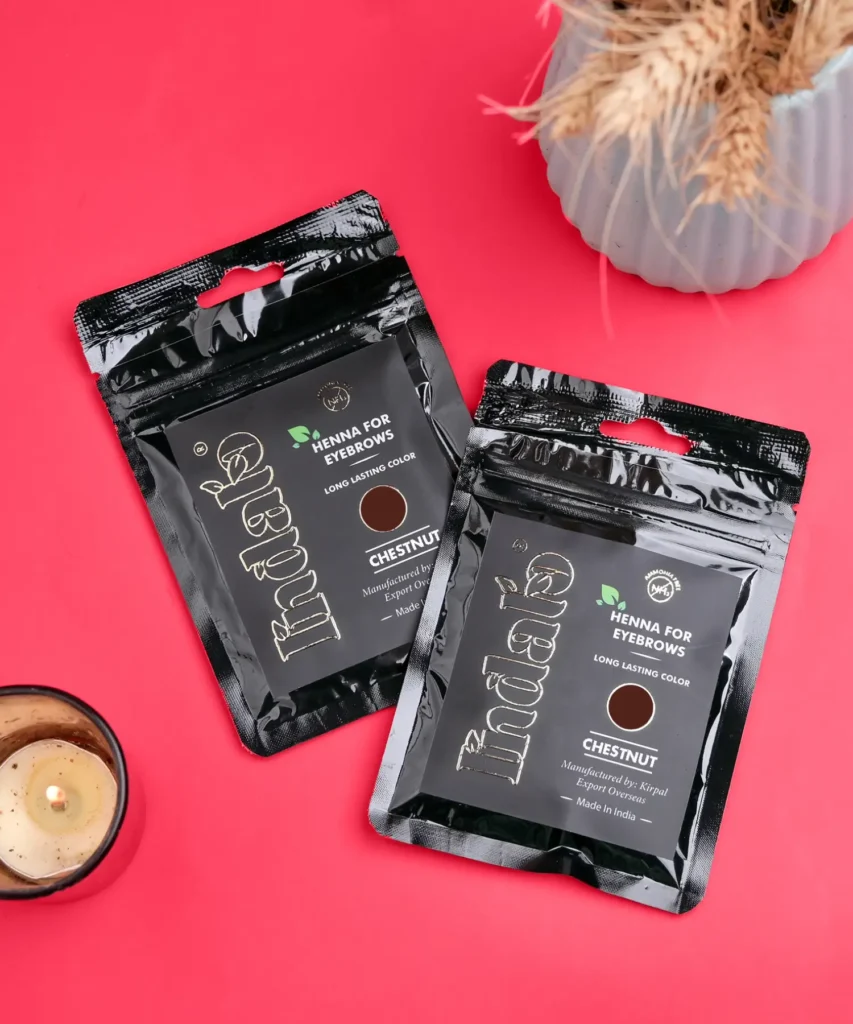
Kirpal Export Overseas | Eyebrow Colour Experts
If you’ve ever hesitated before booking an eyebrow tint appointment—especially if your skin tends to react to pretty much everything—you are not alone. Sensitive skin and brow treatments have had a complicated relationship for years. But here’s what’s changing: more salons across the UK, Germany, and Spain are now turning to eyebrow henna as a gentler, plant-based alternative to traditional eyebrow dye. And for good reason.
At Kirpal Export Overseas, we’ve spent years manufacturing and exporting premium henna-based brow products to European markets. So when clients and salon partners ask us, “Is eyebrow henna actually safe for sensitive skin?”—we don’t give a vague answer. We give them the full picture.
First, Let’s Talk About What Eyebrow Henna Actually Is
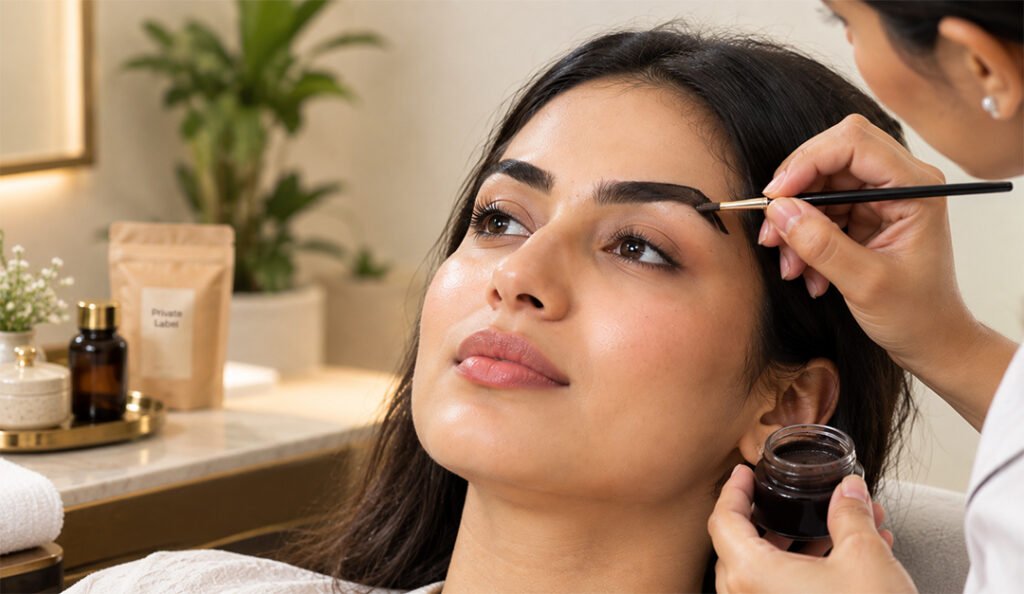
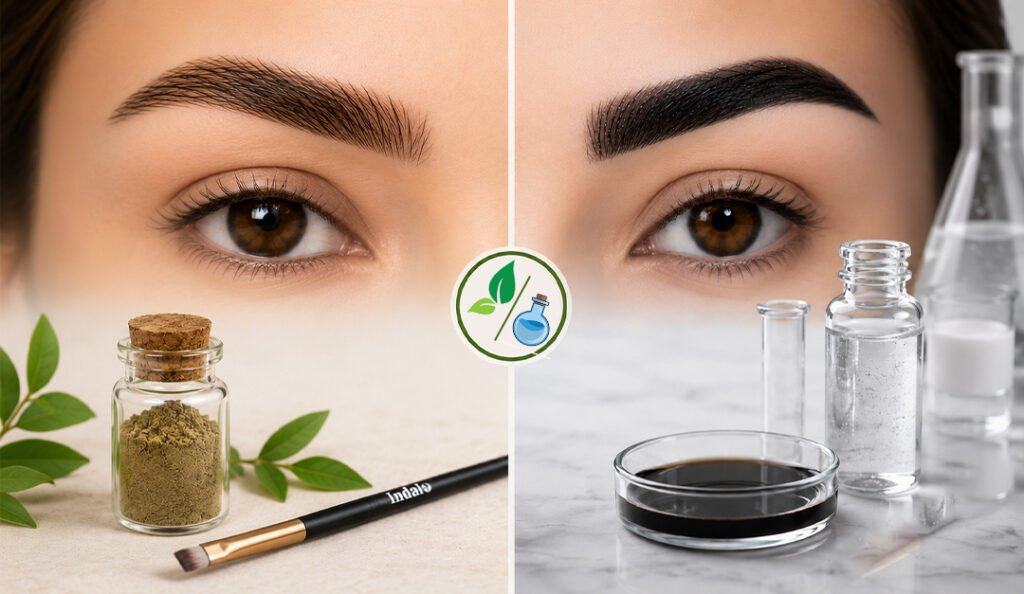
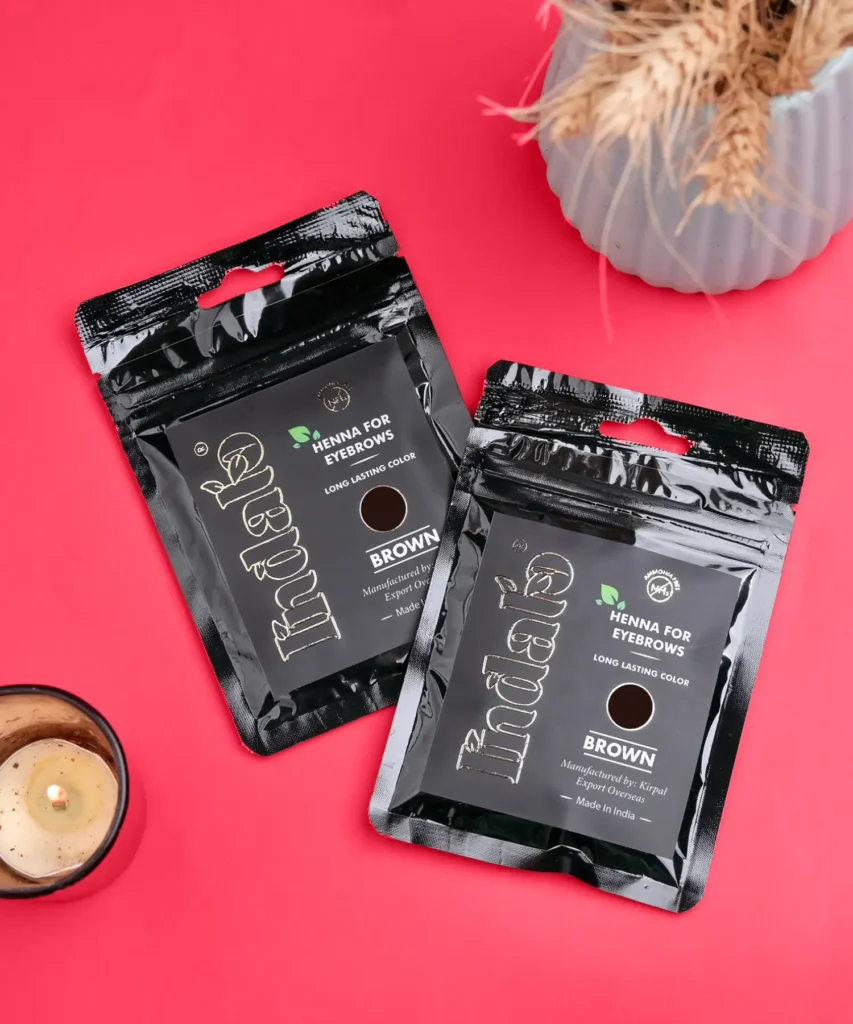
Eyebrow henna is a coloring product derived from the Lawsonia inermis plant—the same natural source that has been used for centuries in South Asian and Middle Eastern beauty traditions. When it comes to modern eyebrow tint formulations, reputable manufacturers blend this natural henna with conditioning agents and stabilizers to make it suitable for professional salon use.
What it is not is a synthetic chemical dye. That distinction matters enormously—especially if your skin is reactive.
Traditional eyebrow dye products (the ones that have been around in salons for decades) often contain paraphenylenediamine, better known as PPD. PPD is a compound known to trigger allergic reactions in a significant number of people, and it’s been the subject of growing regulatory scrutiny across Europe. Eyebrow henna, in contrast, works with natural pigments that color both the skin and the brow hair without relying on PPD as a core ingredient.
Does European Law Actually Regulate Eyebrow Tint Products?
Yes—and quite strictly. This is something that often surprises people, especially clients who assume that “natural” products fly under the regulatory radar. They don’t. In fact, any cosmetic product sold within the European Union (which includes Germany and Spain) and the United Kingdom must comply with clearly defined safety frameworks.
In the EU (Germany & Spain): The EU Cosmetics Regulation (EC) No. 1223/2009 governs every cosmetic product sold on European shelves or used in professional settings. This regulation requires that every product undergo a thorough safety assessment conducted by a qualified cosmetic safety assessor. It also mandates clear ingredient labeling, restrictions on certain chemicals, and a system of notification through the Cosmetic Products Notification Portal (CPNP). For eyebrow tint and eyebrow dye products, this means the manufacturer must demonstrate that every ingredient used is safe at the concentrations present in the final formula, including for people with sensitive skin.
In the UK: Post-Brexit, the UK operates its own version of cosmetic regulations, largely mirroring EU standards. The UK Cosmetics Regulation (retained from EU law) requires similar safety assessments, a UK Responsible Person designation, and compliance with the UK CPNP system. The MHRA (Medicines and Healthcare Products Regulatory Agency) oversees this space. So when a henna eyebrow tint product is legally sold in the UK, it has gone through meaningful safety scrutiny.
What this means for you: When a product carries EU or UK compliance certification, it isn’t just a sticker. It’s evidence of a documented safety process. At Kirpal Export Overseas, all our eyebrow henna formulations are developed to align with these regulatory standards before they reach our European distribution partners.
Why Sensitive Skin Often Responds Better to Henna-Based Eyebrow Tint
Here’s something our formulation team always emphasizes—sensitive skin doesn’t mean all ingredients are equally risky. The type of sensitizer matters.
The most common culprits behind eyebrow dye reactions in sensitive individuals are the following:
- PPD (paraphenylenediamine)—a strong contact allergen found in many dark synthetic dyes
- Resorcinol — a developer chemical that can cause skin irritation
- Hydrogen peroxide—used as an oxidiser in many permanent dye formulations, often too harsh for reactive skin
- Fragrances and preservatives—Even in small amounts, these can cause issues for people with eczema, rosacea, or general skin sensitivity
Good-quality eyebrow henna avoids or significantly minimizes most of these. The natural coloration process doesn’t require oxidative chemistry in the same way that permanent synthetic eyebrow dye does. This means the skin isn’t being subjected to the same kind of chemical reaction that tends to trigger flare-ups.
Many salons in London, Berlin, and Madrid have reported noticeably fewer adverse reactions after switching clients with known sensitivities from traditional eyebrow dye to henna-based eyebrow tint. That’s not a coincidence—it’s chemistry.
The Patch Test Question—and Why It Still Matters
Now, here’s where we’re going to be completely honest with you, even though it might not be what some people want to hear.
Even with eyebrow henna, a patch test is non-negotiable.
This isn’t us being overly cautious. This is standard professional practice that is specifically advised by cosmetic safety authorities across the EU and UK. “Natural” does not automatically mean “reaction-free.” Some individuals can be sensitized to henna itself, particularly its natural compound lawsone, or to other botanical ingredients that may be present in a blended formula.
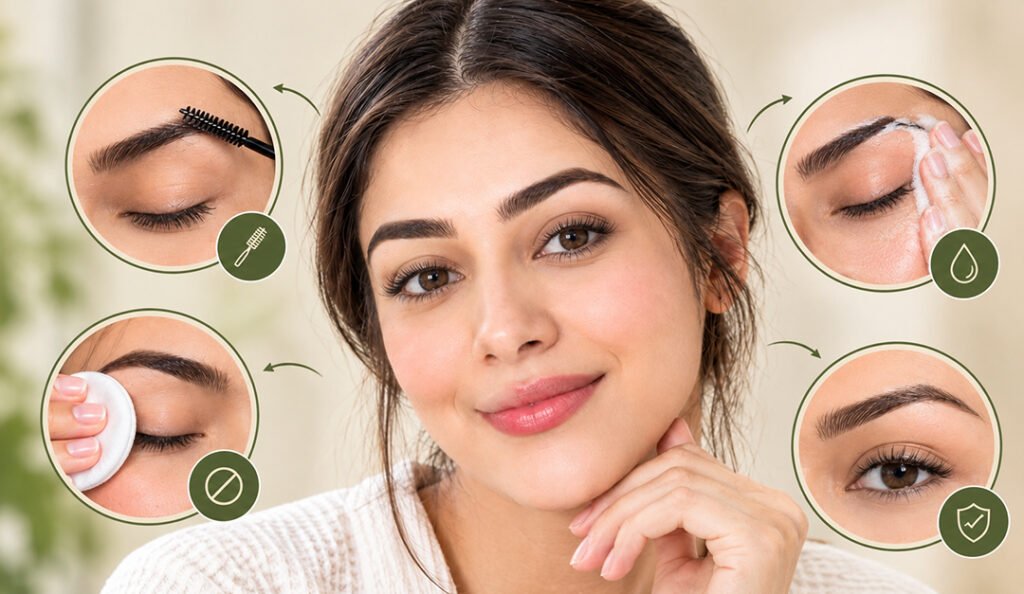
A responsible salon — anywhere from Bristol to Munich to Barcelona — will always perform a patch test 24 to 48 hours before a full eyebrow tint application. If a salon skips this step and tells you it’s unnecessary, that’s a red flag regardless of what product they’re using.
At Kirpal Export Overseas, we always advise our salon partners and distributors to include patch test guidance in their professional training protocols. It’s part of how we ensure our products are used safely at the point of application.
How Kirpal Export Overseas Approaches Eyebrow Henna Formulation for European Markets
When we develop and export eyebrow henna products to the UK, Germany, Spain, and other European destinations, we don’t just think about color payoff and shelf life. We think about the person sitting in that salon chair.
Our formulation approach prioritizes:
Ingredient transparency: Every ingredient in our eyebrow tint products is documented, assessed, and disclosed—in line with EU and UK labeling requirements. There are no hidden components, no undisclosed dyes.
Concentration compliance: We work within the limits set by EU cosmetics regulation for coloring agents, preservatives, and botanicals. This is particularly important when it comes to henna-based products, where natural ingredient concentrations still need to be within safe ranges.
Skin compatibility testing: Our products undergo dermatological compatibility testing as part of the development process. When we say our eyebrow henna is formulated with sensitive skin in mind, there’s documented evidence behind that claim—not just marketing language.
Responsible export practices: As an established manufacturer and exporter, Kirpal Export Overseas works with verified distributors and professional suppliers across Europe. This ensures that the product that leaves our facility is the same product that reaches the salon—without substitution, dilution, or informal reformulation along the supply chain.
Our expertise in eyebrow color development isn’t just about making a product that looks good in before-and-after photos. It’s about making a product that professionals can trust and clients can use without anxiety.
What to Look for If You’re Choosing an Eyebrow Tint Product in the UK, Germany, or Spain
Whether you’re a salon owner sourcing products or a client asking your beautician the right questions, here’s a practical checklist:
Check for regulatory compliance first. Any eyebrow dye or eyebrow henna product sold or used professionally in the EU or UK should have a verifiable safety assessment and be registered appropriately. Don’t hesitate to ask your supplier for documentation.
Look at the full ingredient list. A product that’s genuinely henna-based will list Lawsonia inermis extract or powder as a primary coloring ingredient. Be cautious of products that claim to be “natural” but list PPD or other synthetic oxidative dyes further down the INCI list.
Ask about the patch test protocol. A professional salon takes this seriously. If your technician is skipping it, ask why.
Consider the brand’s manufacturing background. There is a significant difference between a brand that white-labels bulk product from an unknown source and a manufacturer like Kirpal Export Overseas that is directly involved in formulation, quality control, and compliance from production to export.
Look for dermatologist-tested or allergy-tested claims—with backing. These phrases are widely used in cosmetics marketing, but they mean something specific. Ask for the testing basis if it matters to you.
The Bottom Line for Sensitive Skin
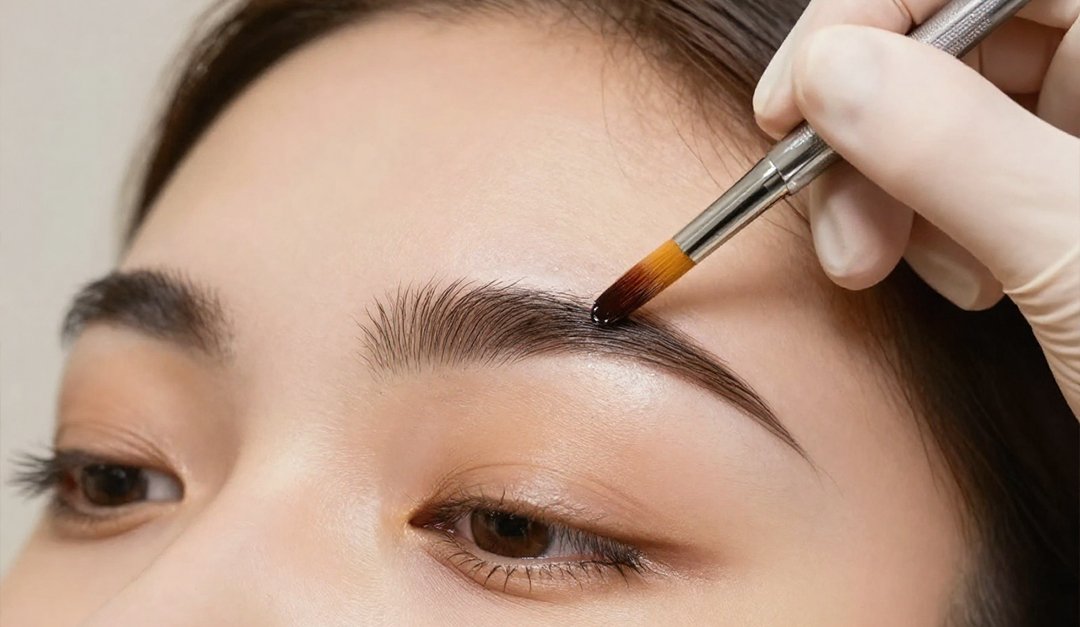
Eyebrow henna, when properly formulated and responsibly applied, is genuinely one of the more skin-friendly options available for eyebrow tint and eyebrow dye treatments. It avoids many of the most common irritants found in synthetic alternatives, and it does so while still delivering the defined, full brow look that clients across the UK, Germany, and Spain are looking for.
But “safer” is not the same as “risk-free for everyone.” Sensitive skin means individual variation, and individual variation means patch testing is always the right call.
The good news is that European regulatory standards — both EU-wide and in the UK — provide a solid framework for ensuring that products reaching professional salons have already been through a meaningful safety process. When you’re choosing an eyebrow tint product or sourcing from a manufacturer, those standards are your first filter.
At Kirpal Export Overseas, eyebrow color expertise and compliance aren’t separate departments. They’re the same conversation. That’s what makes the difference when you’re manufacturing for sensitive-skin markets—and it’s why salons across Europe continue to trust our formulations.