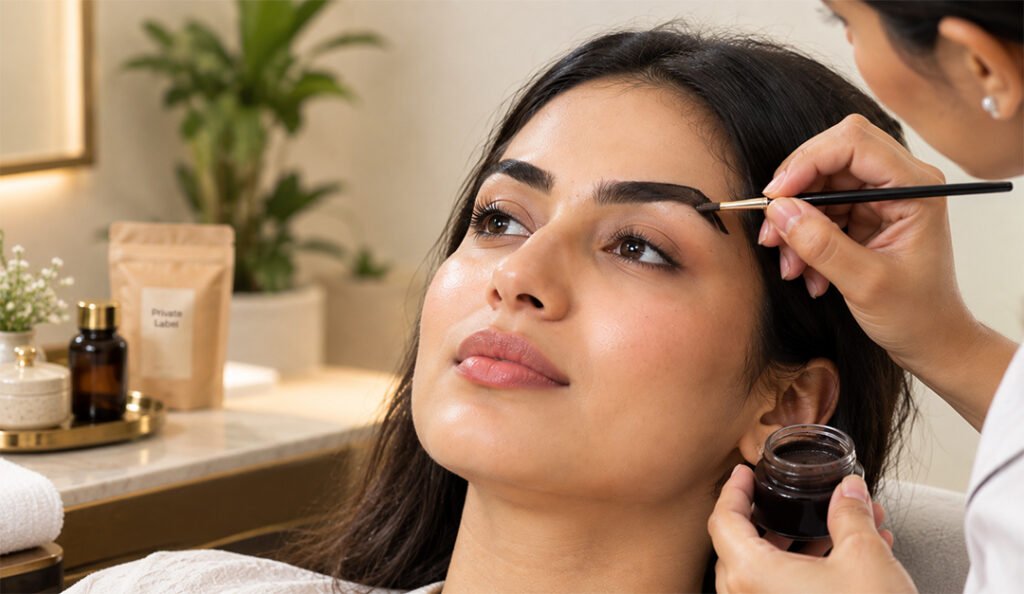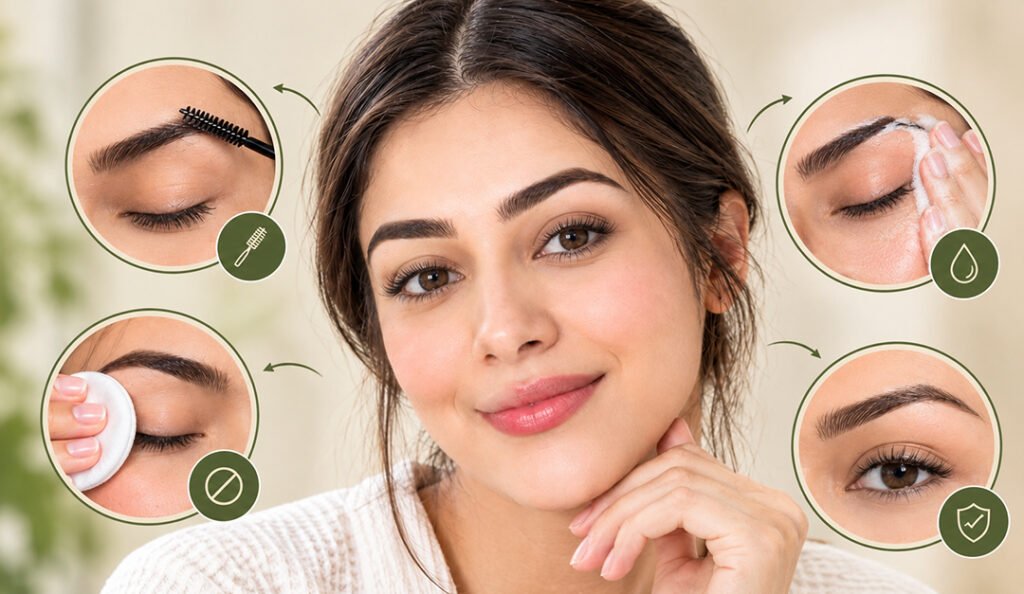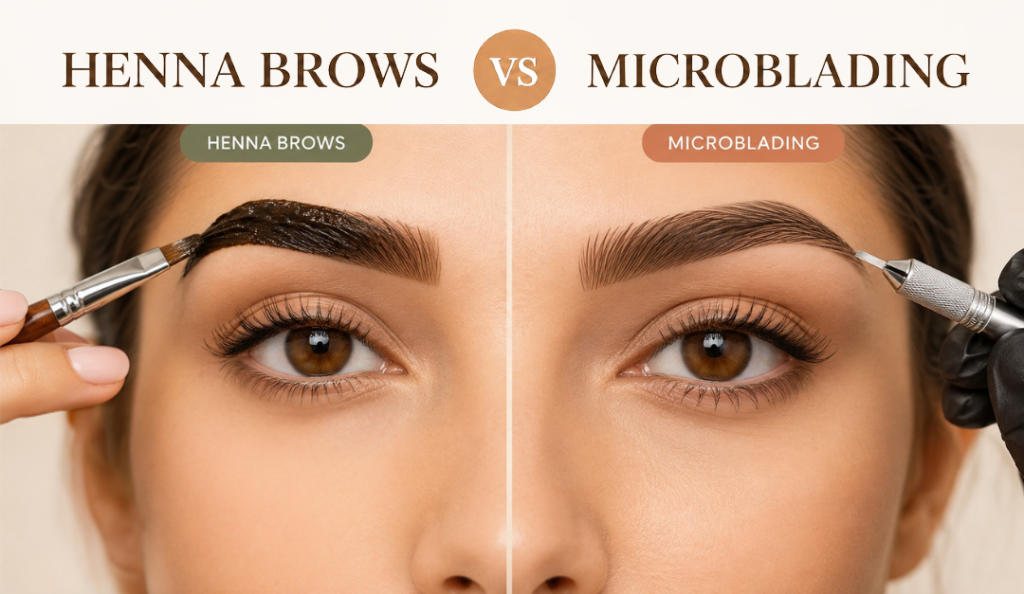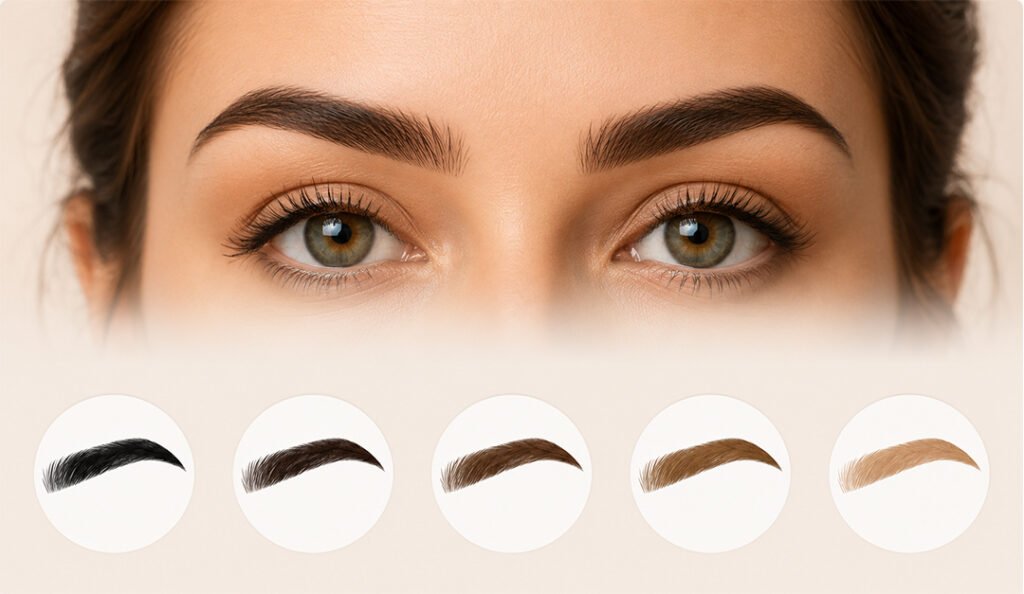
Eyebrows shape a face more than most people realize. A few shades darker or a slightly better-defined arch, and the whole expression changes. That’s probably why eyebrow tinting has quietly become one of the most requested treatments at salons and one of the most searched beauty terms online. But there’s a question that doesn’t get asked often enough before someone books the appointment or buys the kit: what’s actually in the tint sitting on your brow for the next 20 minutes?
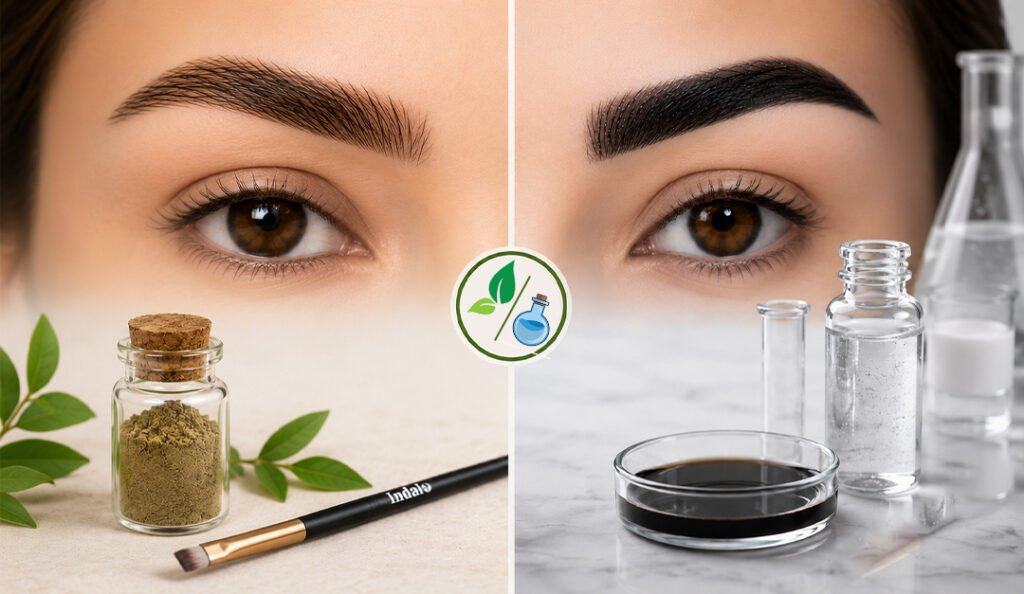
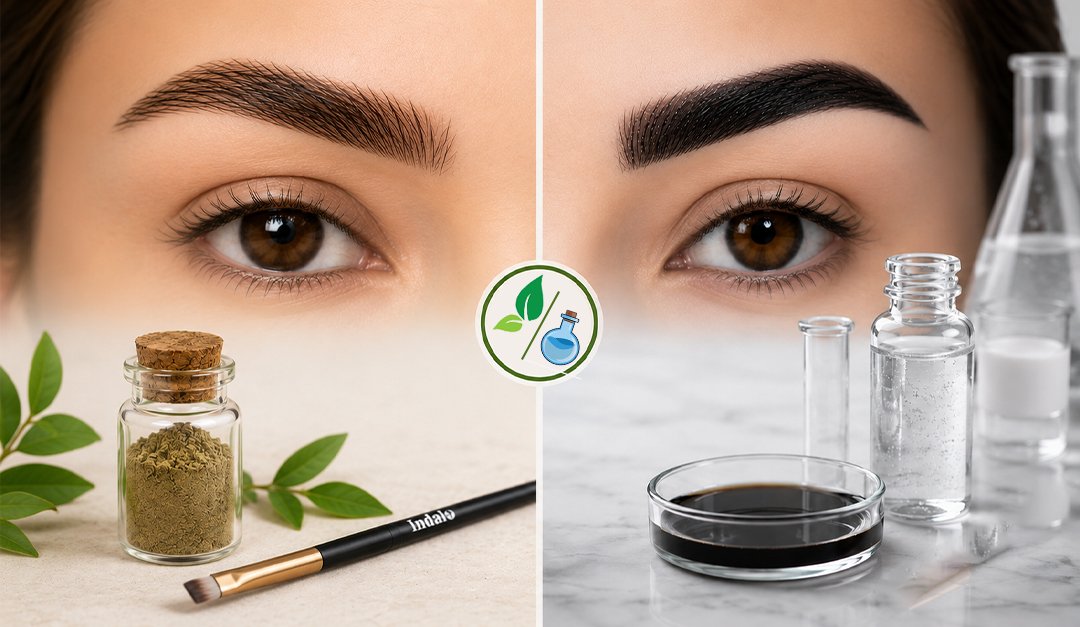
Most commercial eyebrow tints are built on synthetic dye chemistry—the same family of ingredients used in permanent hair color. They work fast, they’re cheap to produce, and they give a uniform, predictable shade. They’re also the reason so many people end up with itchy skin, watery eyes, or a patch test warning label that nobody actually reads. On the other side sits henna—a plant-based option that’s been used for eyebrow and hair coloring for centuries, long before “clean beauty” became a marketing category.
This isn’t a hit piece on synthetic tints or a sales pitch dressed up as an article. It’s a straightforward look at how the two actually differ—chemically, practically, and in terms of what ends up on your skin.
What’s Actually in a Synthetic Eyebrow Tint
Most synthetic brow tints rely on a class of chemicals called para-dyes, with para-phenylenediamine (PPD) being the most common. PPD is what gives permanent hair and brow dyes their intensity and staying power—it’s genuinely good at what it does. The problem is that it’s also one of the most common causes of allergic contact dermatitis in cosmetic products, and the skin around the eyes and brows is thinner and more reactive than skin almost anywhere else on the body.
A typical synthetic tint formula might include:
- PPD or PTD (para-toluenediamine)—the primary color-developing agent
- Hydrogen peroxide—used as a developer to open the hair cuticle and set the color
- Ammonia or ammonia-releasing compounds—to help the dye penetrate
- Resorcinol—another common sensitizer, often paired with PPD
None of this makes synthetic tints “dangerous” in the dramatic sense—millions of people use them without issue. But the allergy risk is real and well-documented enough that patch testing 48 hours before application is a standard recommendation from dermatologists, not just a legal disclaimer. And for people who already have sensitive skin, eczema, or a history of reacting to hair dye, the eyebrow area is a particularly bad place to find that out.
There’s also a longevity trade-off that doesn’t get talked about much. Synthetic tints color the hair shaft itself, which fades as brown hairs naturally shed and regrow—usually within two to four weeks. It looks sharp initially, then fades unevenly, which is why regular touch-ups become part of the routine.
Where Henna Comes From, and Why It Behaves Differently
Henna is a natural dye made from the dried, powdered leaves of the Lawsonia inermis plant. The color-producing compound is lawsone, a molecule that’s been present in the plant for as long as it’s been cultivated. No lab synthesis, no petrochemical base—just leaves, ground and processed.
The key functional difference is this: henna doesn’t just coat the hair shaft the way synthetic dye does. Lawsone binds to keratin, the protein that makes up hair (and, to a lesser extent, the outer layer of skin). This is why a proper henna brow tint often outlasts a synthetic one—two to six weeks isn’t unusual, depending on skin type and how often the brow area is exposed to oil-based cleansers, which can lift the stain faster.
Because henna stains the keratin rather than triggering a chemical oxidation reaction inside the hair like PPD does, the risk profile is fundamentally different. Genuine, pure henna is not a common allergen. The rare adverse reactions associated with “henna” in the beauty industry almost always trace back to black henna—a product that isn’t henna at all but a mix of natural henna cut with PPD or coal-tar dyes to make it darker and faster-acting. That distinction matters enormously and is worth repeating: pure henna is plant-based and low-reactivity; black henna is a synthetic-adulterated product wearing henna’s name.
Side-by-Side: What the Difference Actually Looks Like
| Factor | Synthetic Tint | Pure Henna |
| Core ingredient | PPD / PTD, ammonia, peroxide | Lawsonia inermis leaf powder |
| How it colors | Oxidative chemical reaction inside hair | Natural staining/binding to keratin |
| Typical longevity | 2–4 weeks, fades unevenly | 2–6 weeks, fades gradually |
| Allergy risk | Documented and relatively common | Rare in pure, unadulterated henna |
| Patch test recommended | Yes, standard practice | Good practice, but lower-risk profile |
| Effect on skin around brows | Can tint skin temporarily (harsher) | Tints skin softly, fades naturally |
| Ammonia smell | Often present | None |
| Suitable for sensitive skin | Case-by-case, caution advised. | Generally well-tolerated |
The Skin Question, Not Just the Hair Question
A detail that often gets lost in eyebrow tint discussions: the tint doesn’t only touch hair. It sits directly on the skin of the brow bone, and some inevitably transfers to the surrounding area. This is part of why brow tinting even produces a “shadow” effect—the faint stain on skin that makes brows look fuller between hairs.
With synthetic tints, that skin contact is exactly where reactions show up—redness, swelling, and sometimes blistering in more severe PPD-sensitive cases. With henna, the skin absorbs the stain the same gentle way it colors hair, and it fades within a few days without any residual irritation for the vast majority of users. For anyone who’s ever had a reaction to hair dye and been nervous about brow tinting altogether, this is usually the deciding factor.
Why “Natural” Doesn’t Automatically Mean “Effective”—And Why Henna Is the Exception
There’s a reasonable skepticism people have toward “natural” beauty claims, and it’s fair. Plenty of natural-labeled products underperform compared to their synthetic counterparts, which is part of why synthetic dye dominated the market for decades in the first place.
Henna is a genuine exception to that pattern, and it’s worth being honest about why: it’s not natural despite being effective—the staining mechanism itself happens to be both plant-derived and chemically robust. Lawsone doesn’t need ammonia or peroxide to bind to keratin. It’s a naturally occurring dye molecule that does the job on its own, which is a fairly rare combination in the clean beauty space.
That said, results do vary more with henna than with synthetic tint. Skin type, natural brow hair color, and how the paste is mixed and left to develop all affect the final shade. A henna brow tint on someone with naturally dark hair will typically read differently than on someone with light brown or blonde brows. This variability isn’t a flaw—it’s closer to how a natural process should behave—but it does mean henna brow tinting benefits from either professional application or a bit of practice for at-home use.
What to Check Before Buying a Henna Eyebrow Tint
Not every product labeled “henna” is actually just henna. Since the term isn’t always regulated consistently across markets, it’s worth checking a few things before buying:
https://hennasupplier.com/products/eyebrow-tint-manufacturer/
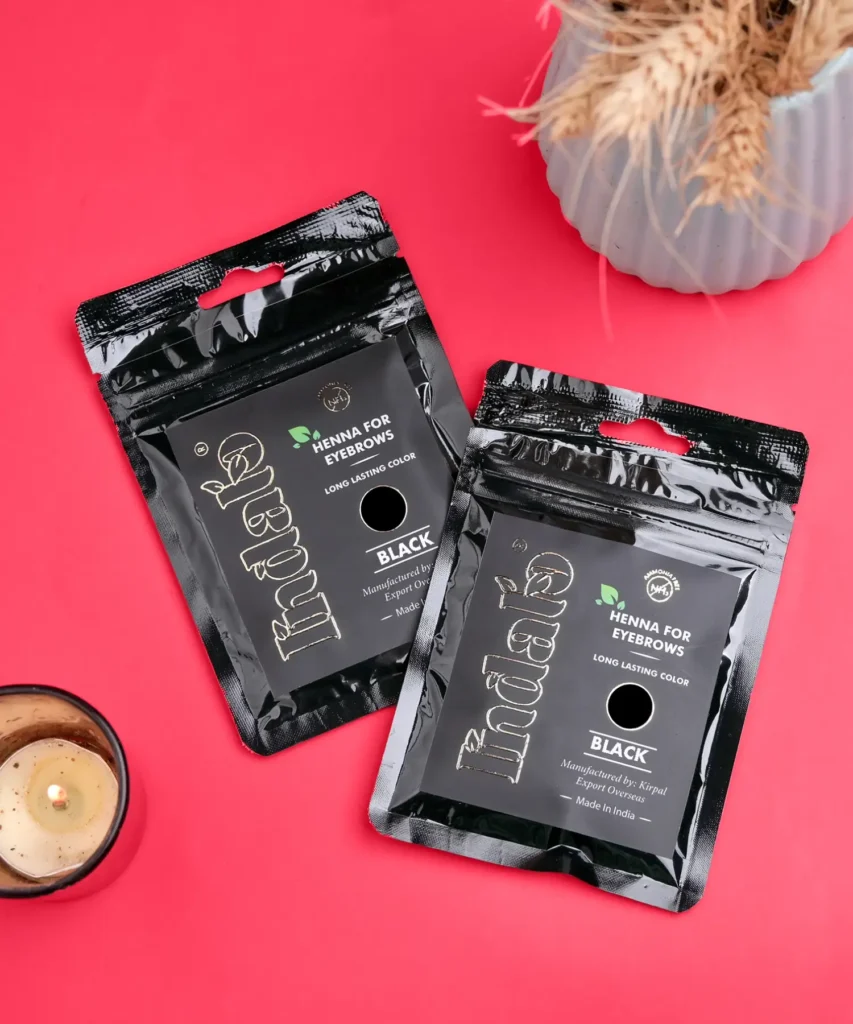
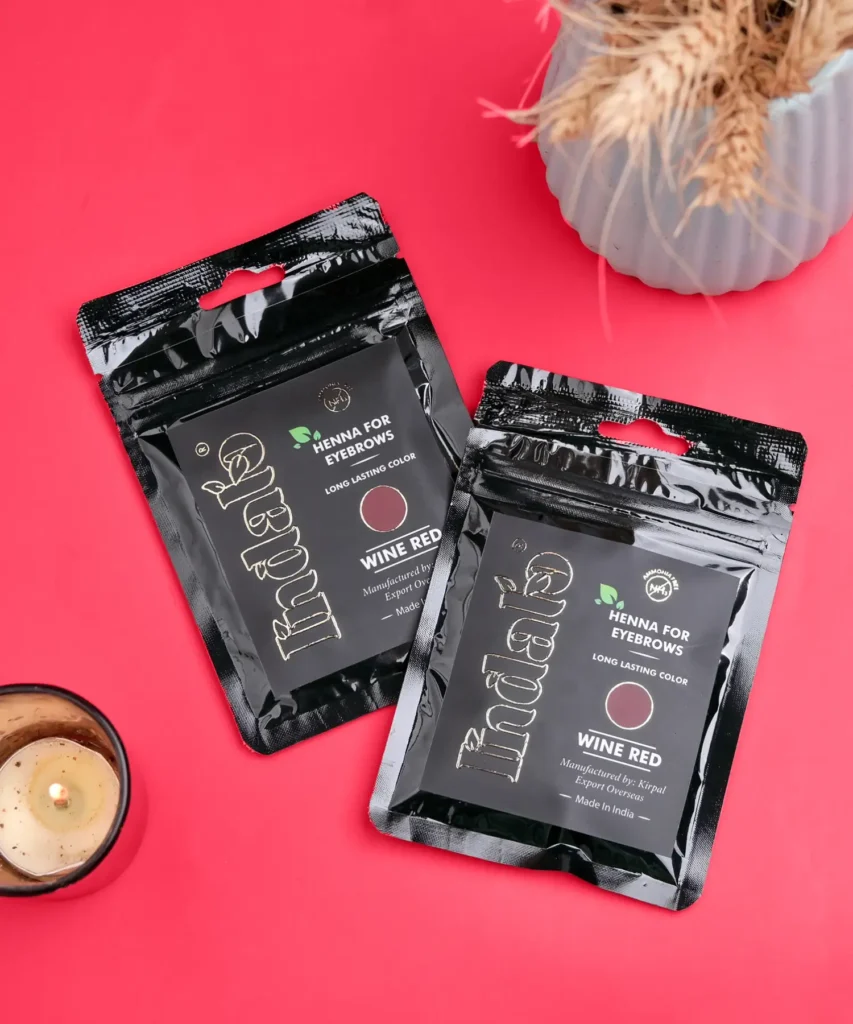
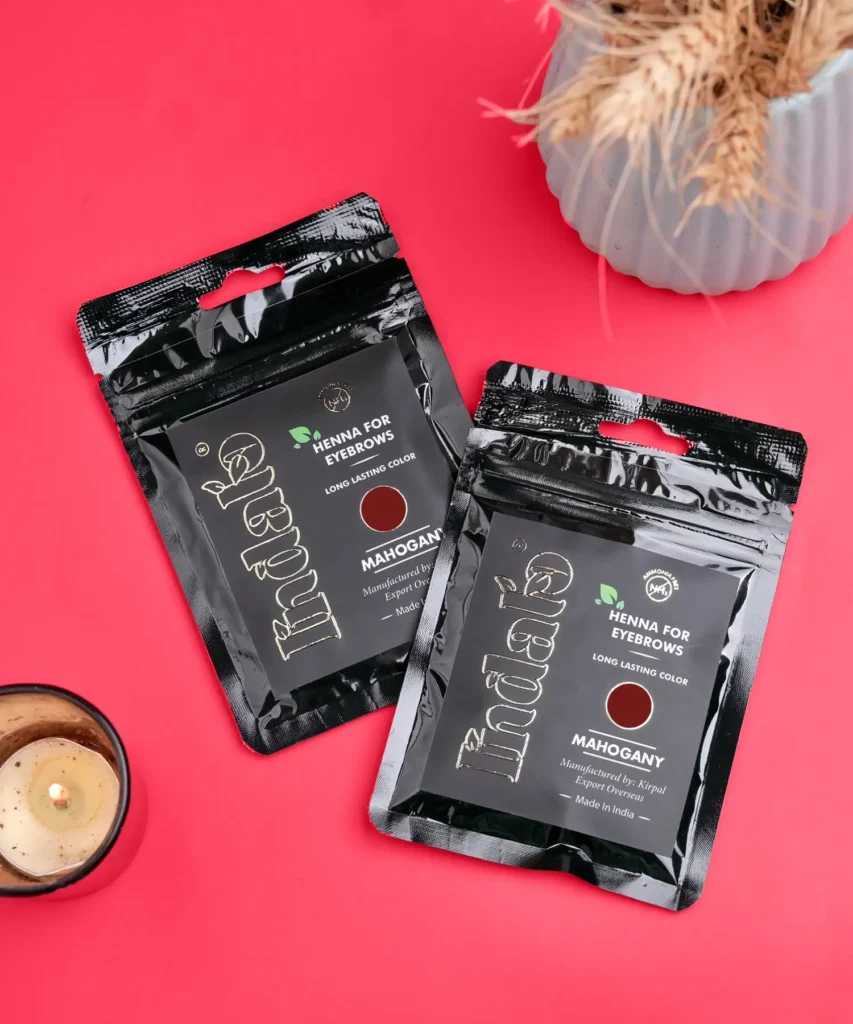
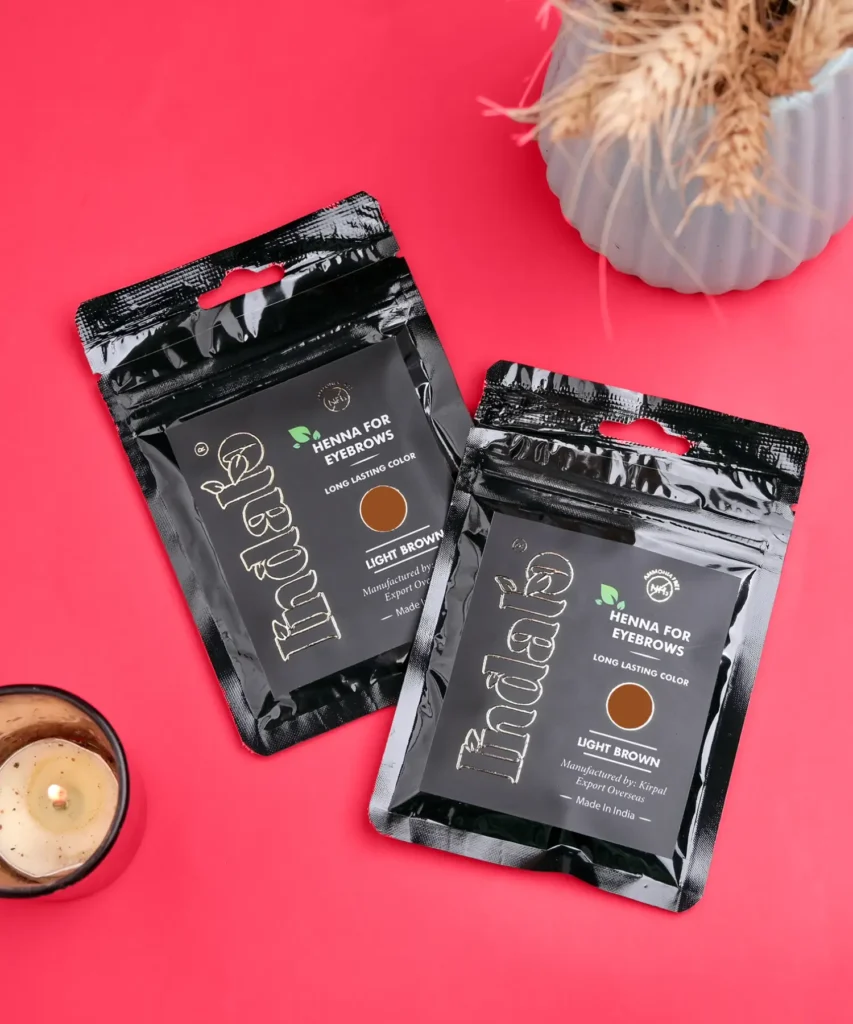
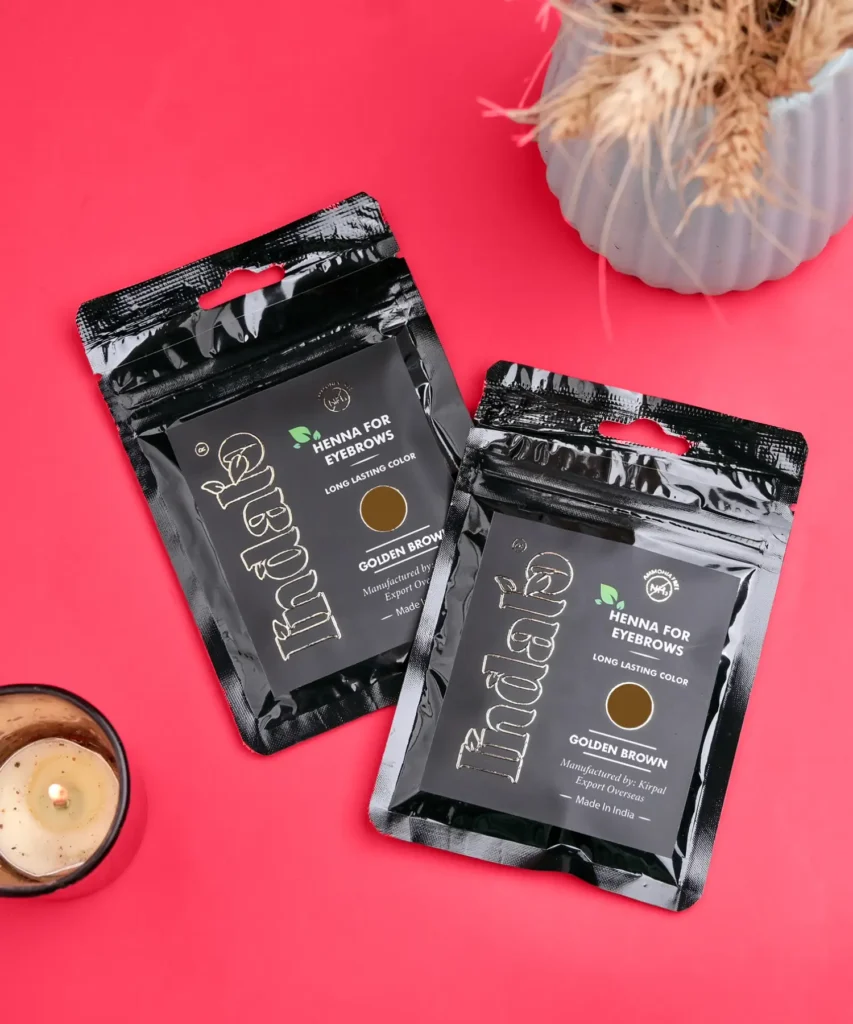
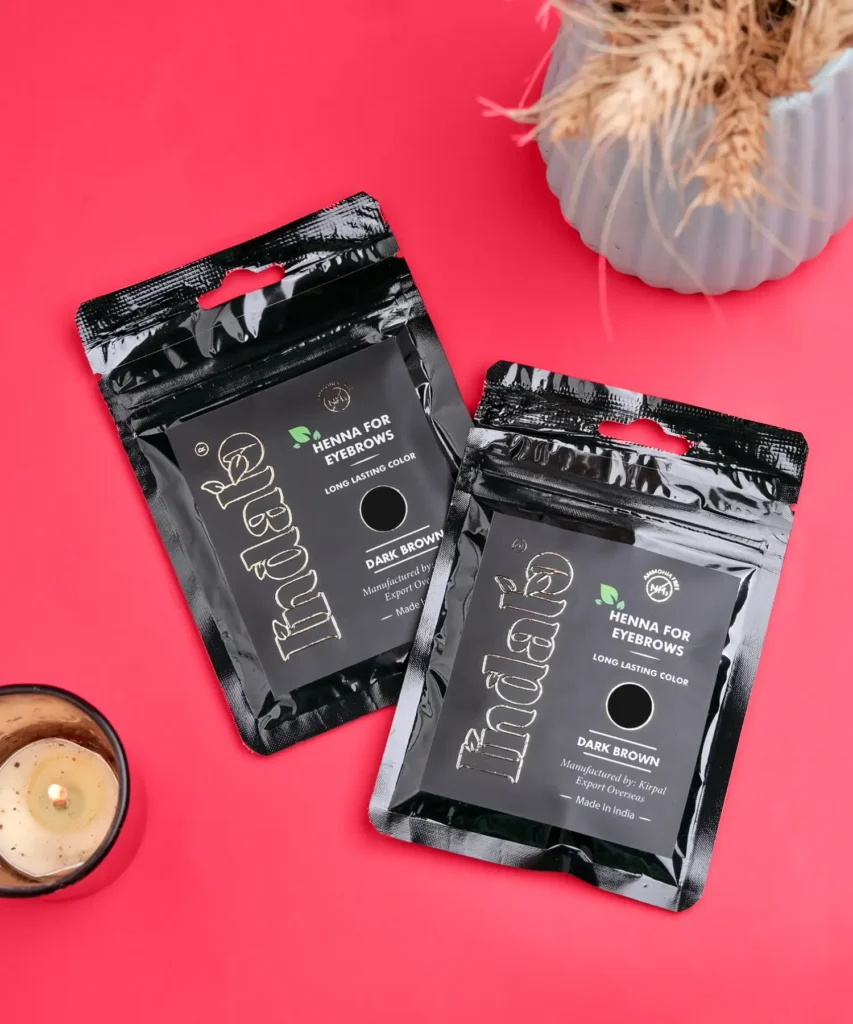
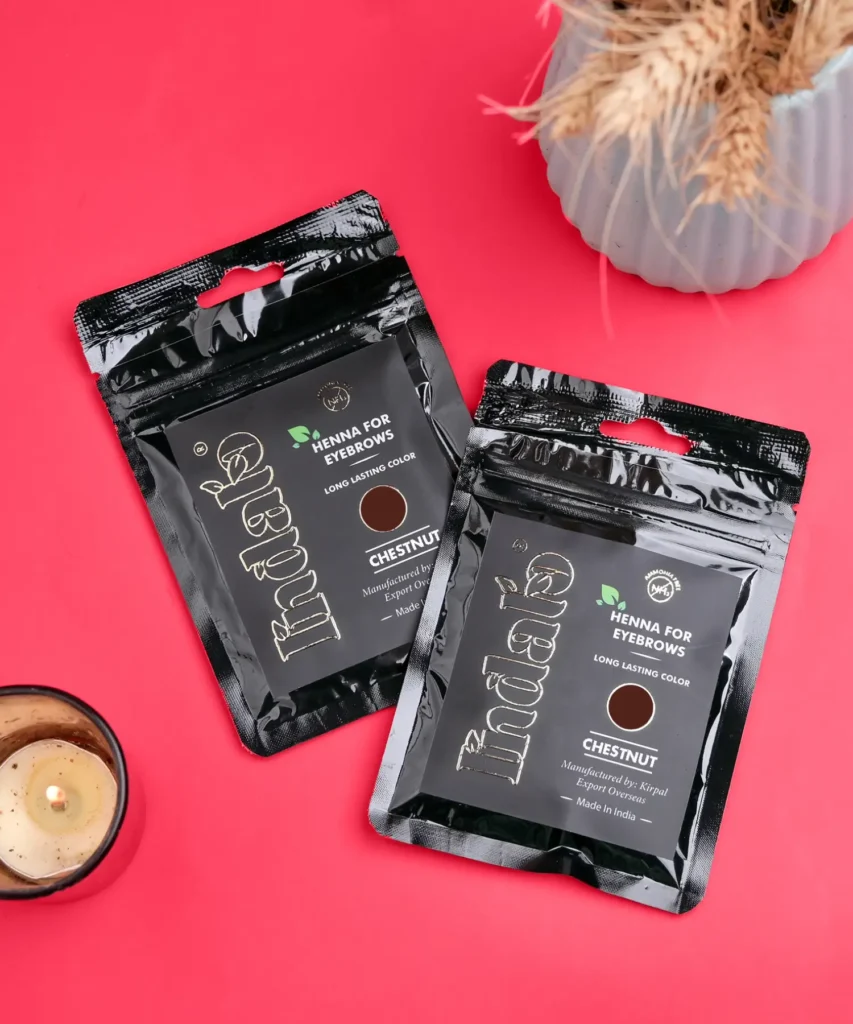
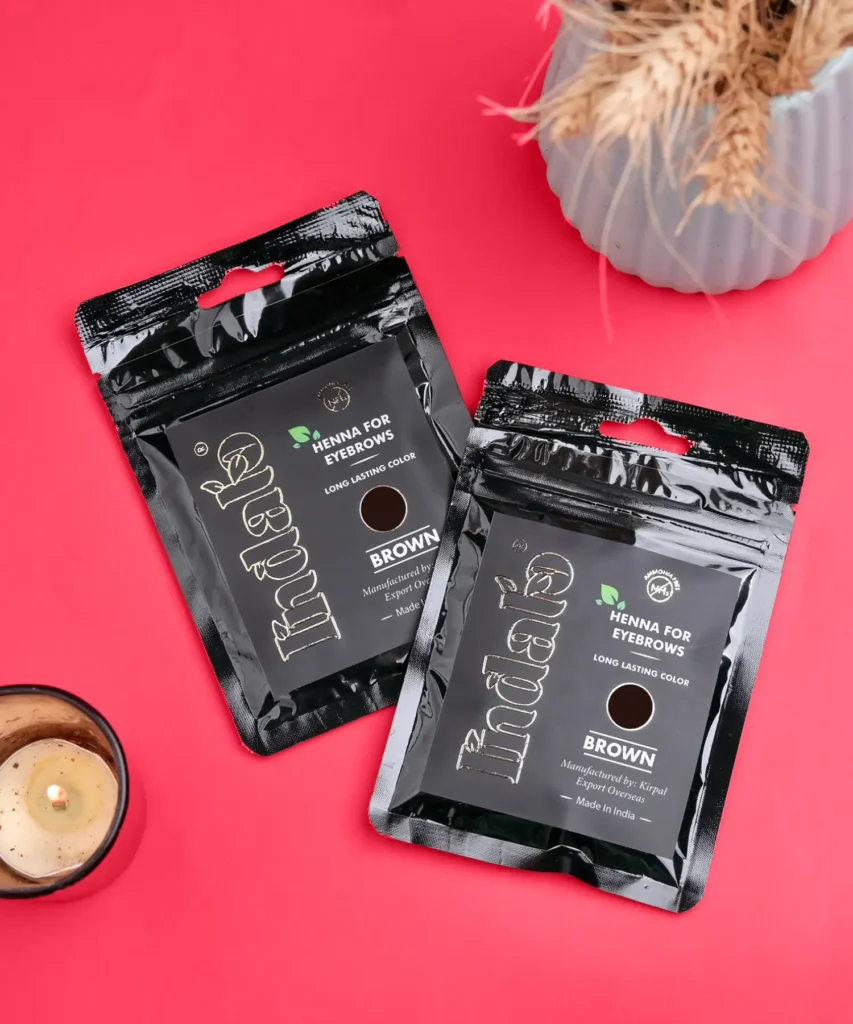
- Ingredient list transparency—Pure henna products should list Lawsonia inermis leaf powder as the primary or sole ingredient, without PPD, ammonia, or coal-tar-dye additives hidden in the mix.
- No “black henna” claims—If a product promises jet-black, near-instant results, it’s very likely adulterated. Genuine henna develops into shades of brown, auburn, or deep chestnut, not true black.
- Sourcing and quality standards—Henna quality varies significantly by region and processing method. Products sourced from established henna-growing regions with proper quality certification tend to have more consistent lawsone content and fewer impurities.
- Patch test regardless—even with natural products, a small patch test 24–48 hours before full application is good practice, particularly for anyone with generally reactive skin.
Making the Switch: What to Expect
For anyone moving from synthetic tint to henna for the first time, a few practical differences are worth knowing upfront:
- Development time is longer. Henna paste typically needs 20–45 minutes to develop properly on the brow, compared to 5–10 minutes for many synthetic tints.
- Initial color looks orange-ish before oxidizing. This is normal—lawsone continues developing after application and settles into its true shade over 24–48 hours.
- No chemical odor. This is often the first thing people notice—no ammonia smell during application.
- Touch-up rhythm changes. Because henna stains rather than just coating, the fade is more gradual, so touch-ups tend to happen every few weeks rather than every couple.
None of this makes henna strictly “better” in every technical sense—synthetic tint still offers faster, more uniform results in a single sitting, which matters for salons working on tight appointment schedules. But for anyone prioritizing what’s actually touching their skin and looking for a coloring option with a long track record of low irritation, henna remains the more transparent choice—you know exactly what’s in it, because there’s very little in it to begin with.
Frequently Asked Questions
Is henna eyebrow tint as long-lasting as synthetic tint? Generally, yes—often longer. Pure henna stains both hair and the outer skin layer, typically lasting two to six weeks depending on skin type, compared to two to four weeks for most synthetic tints.
Can henna eyebrow tint cause allergic reactions? Pure, unadulterated henna rarely causes allergic reactions. Most reactions attributed to “henna” actually come from black henna products that contain added PPD or coal-tar dyes, not from genuine henna itself.
Why does henna eyebrow tint look orange right after application? This is a normal part of the oxidation process. Lawsone, the natural dye molecule in henna, continues to develop after application and typically settles into its final brown or chestnut shade within 24 to 48 hours.
Is henna eyebrow tint safe for sensitive skin? Pure henna is generally well-tolerated by sensitive skin since it doesn’t rely on ammonia, peroxide, or PPD to develop color. A patch test is still recommended as good practice for any new product.
How can I tell if a henna eyebrow tint is genuine and not adulterated? Check the ingredient list for Lawsonia inermis leaf powder as the primary ingredient, avoid products claiming instant jet-black results, and be cautious of tints with an ammonia-like smell — genuine henna has none.